 Free returns
  180-day guarantee
  10% off your first order
 Chicken Moulting: What’s Normal, How Long It Lasts, and How to Help Your Hens Through It
Moulting is the natural process where chickens shed their old feathers and grow a fresh set. It happens to every chicken, at every age, and while it can make your hens look a little rough around the edges, it’s a completely normal and healthy part of their annual cycle. During a moult, you’ll likely see a drop in egg production as your hens redirect their energy toward growing new feathers, but with the right support, they’ll come through it looking better than ever.
Moulting serves a real purpose beyond appearances. It gives your chickens a chance to repair skin damage, renew their insulating feather coat ahead of winter, and give their reproductive systems a well-earned rest. Think of it as a seasonal reset.
Key point: A moulting hen isn’t necessarily sick. She’s doing exactly what her body is designed to do.
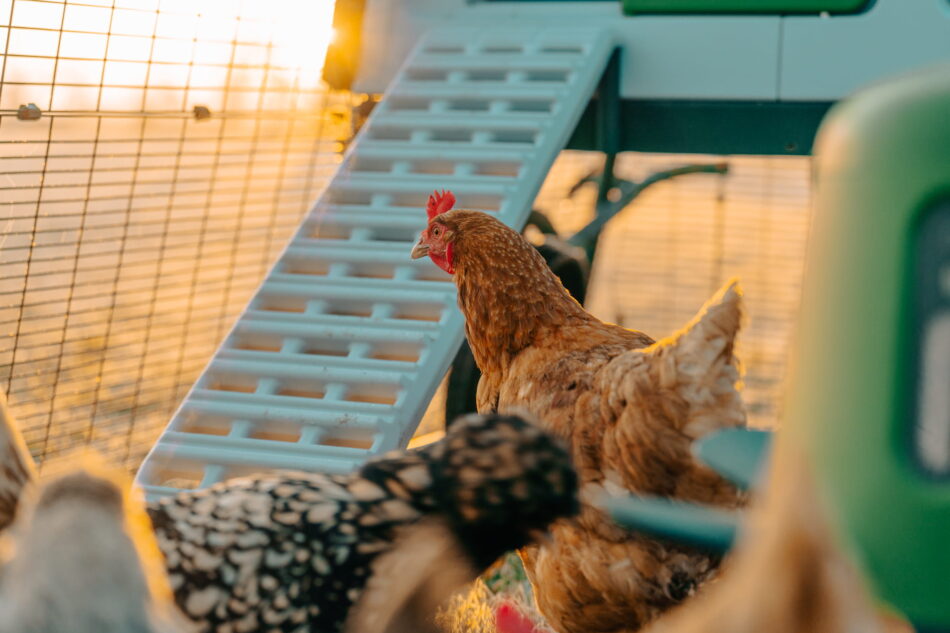
What Is Chicken Moulting and When Does It Happen?
Moulting is the shedding of old, worn feathers to make way for new growth. Feathers are made almost entirely of protein, so producing a full new set takes a significant amount of energy and nutrients. That’s why you’ll see changes in behaviour, appetite, and egg-laying during this time.
Chickens don’t just moult once. They go through several moults across their lifetime, starting from just a few weeks old.
Chick Moults: The Four Stages
Before your chickens reach adulthood, they go through four distinct moults as they shed their downy baby fluff and grow their full adult plumage.
- First moult: 1-6 weeks
- Second moult: 7-9 weeks
- Third moult: 12-13 weeks
- Fourth (final chick) moult: 20-22 weeks
By the time the fourth chick moult is complete, tail feathers begin to come in fully, which makes it easier to spot young roosters in the flock. If you’ve been wondering which of your chicks is a cockerel, this is often the moment it becomes clear.
Adult Annual Moults
Once your chickens reach adulthood, they settle into a yearly moulting cycle. Most hens have their first significant adult moult at around 16-18 months of age. After that, moulting typically happens once a year, most commonly in late summer or early autumn as the days get shorter and daylight hours decrease. The exact timing can vary depending on the individual chicken, the breed, and your local climate.
Occasionally, a chicken will moult outside of this seasonal window. This is usually triggered by stress, such as a sudden change in diet, an illness, a flock disruption, or an extended period of extreme weather. These out-of-cycle moults are sometimes called “stress moults” and tend to be less predictable in their duration.
Signs Your Chicken Is Moulting and What’s Normal
The first time you see a hen going through a heavy moult, it can be alarming. Patches of bare skin, a dishevelled appearance, and a noticeably quieter hen are all par for the course. Knowing what to expect makes it much easier to stay calm and respond appropriately.
Common Signs of Moulting
- Feather loss – patches of missing feathers, sometimes large, often starting around the head and neck
- Dull or frayed feathers before they drop, giving your hen a ragged look in the days leading up to the moult
- Reduced or paused egg production as energy is diverted from laying to feather regrowth
- Increased appetite since growing new feathers requires a significant protein intake
- Behavioural changes including being quieter, more irritable, or less interested in being handledbeing handled
- Dull combs and wattles, which may appear paler or less vibrant than usual
How Moulting Progresses
The moulting process follows a fairly consistent pattern across the body. It begins at the head, then moves down toward the breast and legs, and finally reaches the tail. By the time the tail feathers are falling out, the head feathers will often have already started to regrow. This sequential pattern means your hen may look like a patchwork of bare skin and fluffy new growth at any given point.
What about pin feathers? As new feathers emerge, you’ll notice small, waxy-looking shafts called pin feathers (or blood feathers) pushing through the skin. These are sensitive because they contain a blood supply that feeds the growing feather. This is why handling your hens gently during a moult matters so much.
When to Be Concerned
Patchy feather loss during a moult is normal, but unexplained feather loss at other times of year warrants a closer look. If you’re not expecting a seasonal moult, feather loss could point to mites or lice, bullying within the flock, or an underlying illness. Give your chickens a quick health check and contact a vet if you suspect something other than a natural moult is to blame.
Watch out for these signs that something may be wrong:
- Feather loss without any new growth appearing after several weeks
- Bleeding or scabbed-over bare patches
- Excessive lethargy or signs of pain
- Feather loss concentrated in one area, particularly the back, which can indicate feather-pecking by other chickens
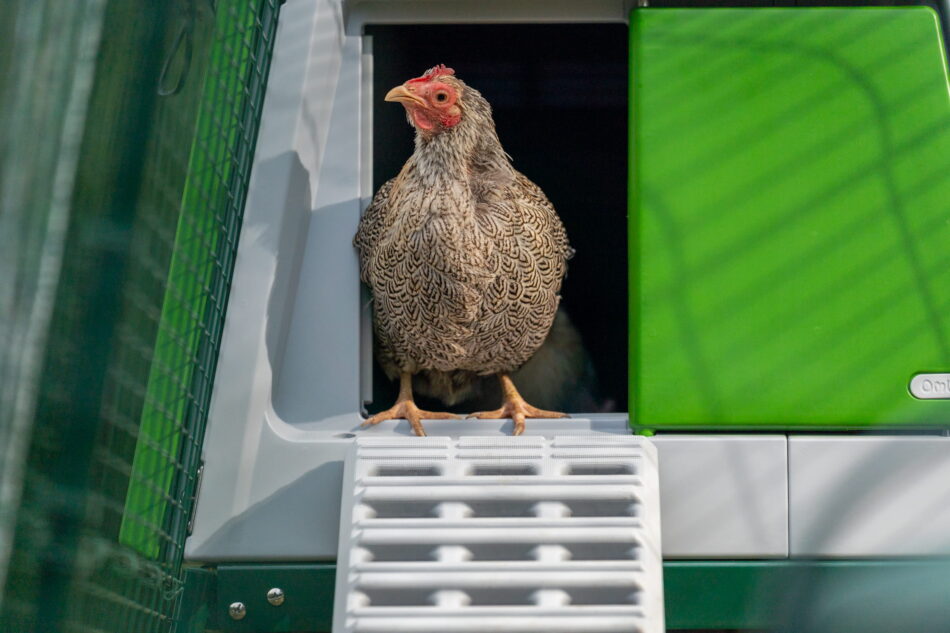
How Long Does a Chicken Moult Last?
A typical moult lasts around 8-12 weeks, though some chickens can take up to 16 weeks to complete the process. The variation comes down to the individual chicken, her breed, her overall health, and the type of moult she’s going through.
Hard Moults vs. Soft Moults
Not all moults look the same. Chickens tend to fall into one of two patterns:
- Hard moult: Dramatic, rapid feather loss across large areas of the body. Shorter overall, with feathers regrowing quickly.
- Soft moult: Gradual feather loss that’s less visually obvious. Longer overall, and can drag on for months.
A hard moult can look startling. A hen that was fully feathered one week may look nearly bare the next. While dramatic, this is actually a sign that the process is moving efficiently. Soft moults, by contrast, may be barely noticeable at first glance but can take considerably longer to complete. complete.
Does the Weather Make a Difference?
Yes. Cooler temperatures in the autumn actually help speed up feather regrowth, which is one reason the annual moult tends to happen as summer ends. The body prioritises growing a thick, insulating coat before winter sets in. If your chickens are moulting in warmer months, the process may take a little longer.
A note on egg production: Don’t expect a fixed timeline for when laying will resume. Most hens stop laying entirely during a moult, and egg production typically picks back up 4-8 weeks after the new feathers have grown in. Some hens return to laying before the moult is fully complete, while others wait until they’re fully feathered again. Both are normal. If you’re curious about what affects laying more broadly, our egg FAQs guide covers the full picture.
How to Help Your Chickens Through a Moult
Moulting isn’t an illness, so it doesn’t need treatment. But there’s a lot you can do to make the process more comfortable and to support your chickens’ bodies as they do the hard work of regrowing feathers.
Boost Their Protein Intake
Feathers are made up of around 80-85% protein, so it makes sense that growing a new set puts a huge demand on your chickens’ nutritional reserves. During a moult, switch to a higher-protein feed, ideally one with at least 18% protein content. This is the single most impactful thing you can do.
For more guidance on what to feed your flock and how to balance their diet, take a look at our chicken feed guide.
Keep Handling to a Minimum
Pin feathers are sensitive. Because they contain an active blood supply while the feather is growing, any pressure on them can be uncomfortable or even painful for your hen. During a moult, resist the urge to pick up and cuddle your chickens more than necessary, even if they seem to need reassurance.
Equally, avoid putting jackets or saddles on moulting chickens. While chicken saddles are useful for protecting the backs of hens that are being over-mated, using them during a moult can irritate bare skin and interfere with feather regrowth.
Support Their Immune System
A moult is physically demanding, and a stressed or run-down hen may take longer to complete the process. A few simple additions can give their immune system a boost:
- Add a small amount of apple cider vinegar to their water (roughly one tablespoon per gallon)
- Offer fresh herbs like oregano, which has natural antimicrobial properties
- Make sure they have consistent access to clean, fresh water at all times, since hydration supports feather development
Keep Their Environment Clean and Comfortable
Your chickens will shed feathers constantly during a moult, both in the coop and in the run. Clearing shed feathers regularly keeps things tidy and gives your chickens clean ground to dust bathe in, which actually helps the moulting process along. Dust bathing is how chickens naturally care for their skin and feathers, so make sure they always have access to a suitable spot.
An easy-to-clean coop makes a real difference during moult season. The Omlet Eglu Cube and Eglu Pro chicken coop are designed with hygiene in mind, making the daily removal of shed feathers and debris much quicker than cleaning out a traditional wooden coop.
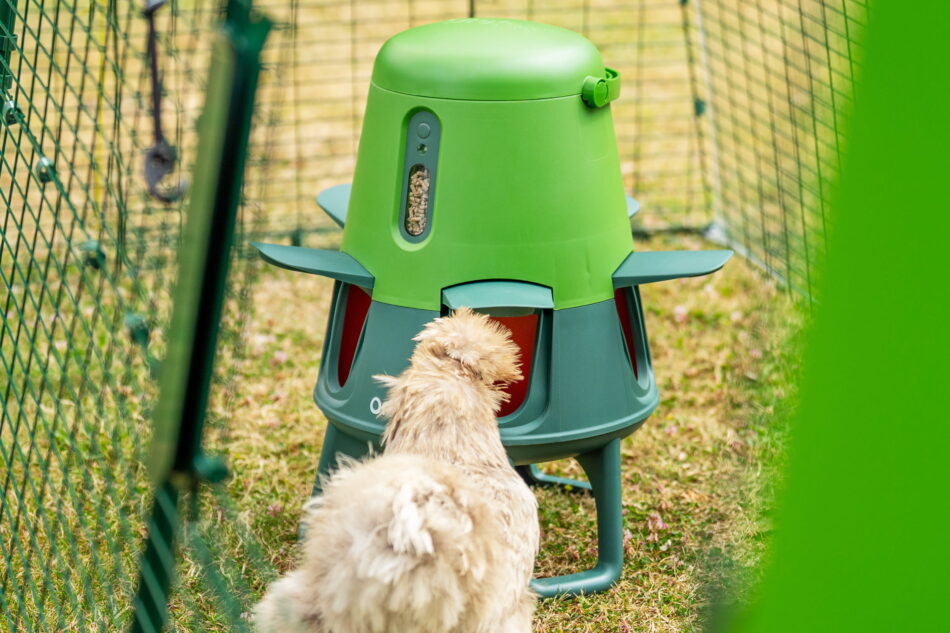
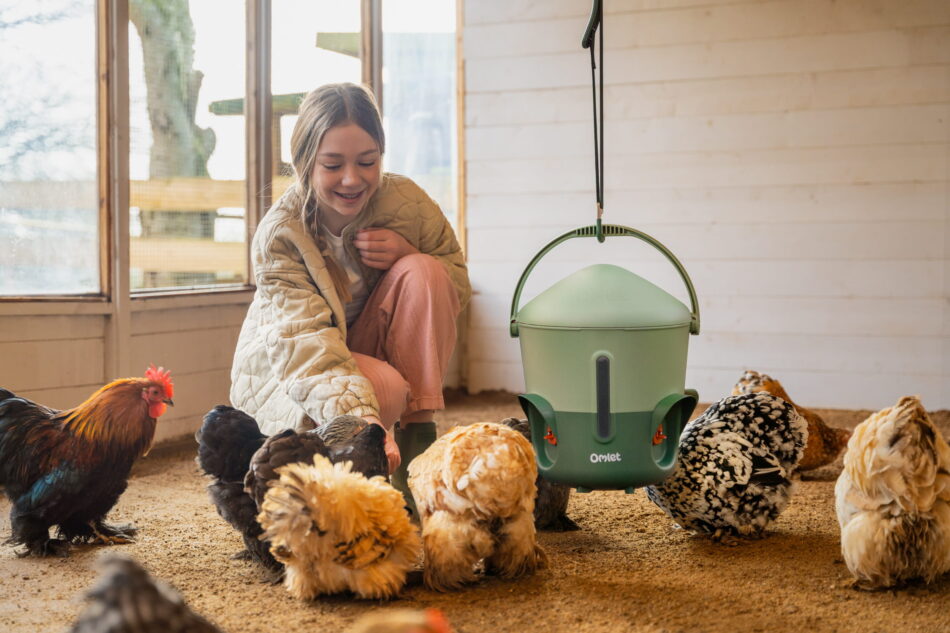
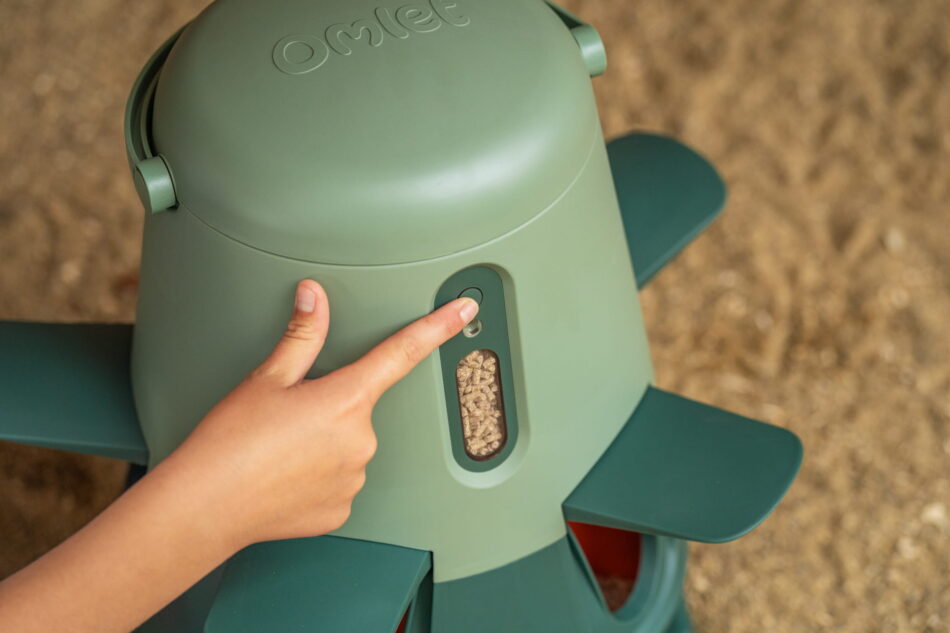
Keep feeders and drinkers topped up. Chickens may have an increased appetite during a moult so ensure they eat every ounce with a no waste feeder that stops feed being spilt and wasted on the run floor. Use a feeder with a viewing window so you can see when the feed is running low, or opt for a Smart Chicken Feeder that sends a notification when it’s time to refill.
Check on your flock daily. Most hens will move through their moult without any complications, but staying observant means you’ll catch any issues early.
What to Expect When the Moult Is Over
Once the moult is complete, you’ll likely be struck by how different your hens look. Fresh feathers are brighter, fuller, and more vibrant than the dull, worn ones they replaced. Your hens will look like themselves again, and better.
Egg production will gradually return as the moult wraps up. Hens that were strong layers before the moult tend to come back to laying at a similar rate, though it’s worth noting that older hens may not return to their previous peak. This is a natural part of ageing rather than anything to worry about.
If you have a flock rather than a single hen, you’ll notice that your chickens tend to moult on a similar schedule. This means you may face a period of little to no egg production across the whole flock at once. It’s worth planning ahead: save any surplus eggs in the weeks before moult season so you’re not caught short. Unwashed eggs will keep in the fridge for several weeks.
Why Nutrition Matters More During Moulting Season
“Moulting is a pretty demanding process for a chicken.” say Scratch & Peck Feeds, experts in quality, organic chicken feed. “Feathers are made primarily of protein, so when a bird is replacing a significant portion of her plumage, her body is putting a lot of resources toward growing those new feathers. This is why we think of moult as a time to really focus on good, complete nutrition rather than simply adding lots of treats or supplements.”
We’ve partnered up with Scratch & Peck Feeds to bring you the best feeding advice for the moulting season. Read on for everything you need to know about moult nutrition.
What Should Chickens Be Eating During a Moult?
“The foundation should still be a complete, balanced feed formulated for their life stage. During moult, we especially like a feed with a little more protein to help support feather regrowth.
“It can be tempting to throw every high-protein treat in the coop when your flock starts looking a little scruffy, but treats shouldn’t replace complete feed. You still want birds getting the right balance of protein, amino acids, vitamins and minerals, not protein alone.”
Do Chickens Need More Protein During a Moult?
“A little extra protein can be really helpful. Feathers are roughly 85–90% protein, so growing an entirely new set requires a substantial amount of it.
For flocks normally eating a 16% Layer Feed, moult can be a great time to temporarily move to an 18% Layer Feed. You can also supplement with protein-rich treats like grubs, particularly if some birds are moulting while others aren’t.
The goal isn’t necessarily “as much protein as possible.” It’s giving the flock a complete diet with enough high-quality protein and essential amino acids to support what their bodies are doing.”
Practical Moulting-Season Care Tips
Here’s Scratch & Peck’s top moult season tips:
- Don’t panic when egg production drops. It’s normal for laying to slow or stop while a hen puts her resources toward growing feathers.
- Be gentle with your birds. Those new pinfeathers can be surprisingly sensitive, so moulting chickens may not appreciate being picked up or handled as much as usual.
- Keep treats in perspective. Moult is a great time for protein-rich treats, but you don’t want treats filling birds up at the expense of their complete feed.
- Keep fresh water available at all times. Good hydration is important year-round, including while birds are going through the stress of a moult.
- Remember that every bird moults differently. Some seem to lose half their feathers overnight while others moult so gradually you barely notice. They also won’t necessarily moult at the same time, so pay attention to the individual birds in your flock.
- Give them time. A moulting chicken can look pretty rough for a while, but feather replacement is a normal and important part of the yearly cycle.
When to Worry: Signs It May Not Be a Normal Moult
Moulting explains a lot of things that might otherwise seem alarming, but it shouldn’t be used as a catch-all explanation for every change in your flock. There are specific signs that warrant a closer look, regardless of whether your chickens are in the middle of a moult.
Moulting does not explain:
- Lethargy, weakness, or a hen that’s noticeably unwell beyond being quieter than usual
- Weight loss or a significant drop in body condition
- Discharge from the eyes, nostrils, or vent
- Severe or persistent distress that doesn’t ease as the moult progresses
Signs that may point to something other than moult:
- Localized feather loss in one area, particularly on the back or neck, which can indicate feather-pecking by other flock members
- Skin irritation, redness, or visible parasites around the base of the feathers, which may suggest mites or lice
- Feather loss with no new growth appearing after several weeks
- A hen that isn’t eating, seems very weak, or has symptoms that fall outside a normal moult pattern
If you’re unsure whether what you’re seeing is a moult or something more serious, give your chickens a health check and contact a vet if anything doesn’t seem right. It’s always better to check.
Key Takeaways
- Moulting is the natural cycle of shedding old feathers and regrowing new ones. Chicks go through four moults before adulthood, and hens typically experience their first major adult moult at around 16-18 months of age, usually in late summer or autumn.
- Expect feather loss starting at the head and moving down the body, reduced laying, increased appetite, and possible behaviour changes like irritability or withdrawal.
- Most moults last 8-12 weeks, though hard moults finish faster while slower moults can stretch up to 16 weeks.
- Nutrition is the most important thing you can do to support a moulting hen. Switch to an 18% protein feed and offer protein-rich supplements like grubs to help feather regrowth.
- Handle moulting chickens gently. Pin feathers are sensitive and your hens may be less comfortable being picked up than usual.
- Moulting should not automatically explain lethargy, weight loss, discharge, or severe ongoing distress. If something doesn’t seem right, give your chickens a health check and contact a vet.
- Comfort matters during moult. Clean, easy-to-maintain coops and secure runs help reduce extra stress while your chickens are more vulnerable.
Supporting Your Flock With the Right Setup
Comfort matters during a moult. Regrowing feathers can make hens more sensitive to drafts, handling, and stress, so having a clean, well-maintained setup makes a real difference to how smoothly the process goes.
A coop that’s easy to clean means you can clear shed feathers regularly without it becoming a chore. The Omlet Eglu Cube and Eglu Pro are designed with hygiene in mind, so the daily removal of feathers and debris takes minutes rather than a full session.
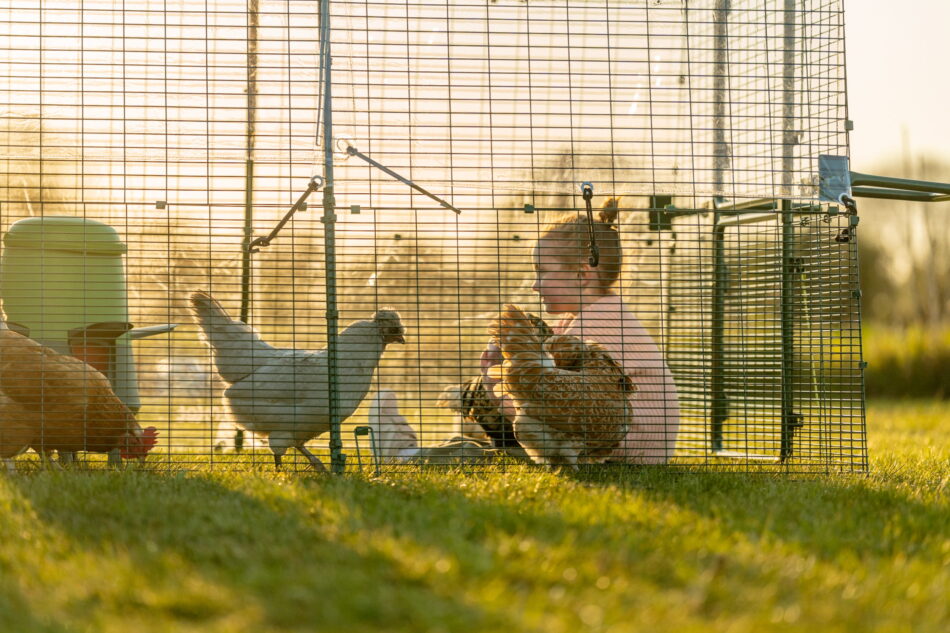
A secure, well-covered run also reduces stress on moulting chickens. The Omlet Walk In Chicken Run gives your flock space to move freely and dust bathe, which supports the moulting process, while the heavy-duty steel mesh keeps predators out. If you want to give your chickens more flexibility to roam while keeping them safe, an Omlet chicken tractor or chicken pen can be a practical option during moult season.
Keep feeders and drinkers topped up and accessible throughout the moult. Your chickens will be eating more than usual, and consistent access to clean water is essential for feather development.

This entry was posted in Chickens
One reply on “Chicken Moulting: What’s Normal, How Long It Lasts, and How to Help Your Hens Through It”
This is the first bad moult for my Araucanas I have kept for my handicapped son since aged three, blue eggs He is now 59 and living with Canterbury Oast Trust, Kent still keeping poultry ! Is there a safe supplement I may feed them , I never have done so yet ! Karen (handweaver and poultry keeper for obvious reason.)