 Free returns
  180-day guarantee
  10% off your first order
 Where to Buy Chickens: Your Complete Guide to Finding the Right Flock
You can buy chickens from online hatcheries, local farm supply stores, private breeders, poultry shows, animal shelters, and farmers markets. The right source depends on what breed you want, what age chicken suits your setup, and what time of year you’re starting out. Some routes are seasonal, some are available year-round, and each one comes with its own advantages worth knowing before you commit.
Getting your first flock is genuinely exciting, but figuring out where to actually find your flock members can be the first hurdle. Chickens aren’t typically sold at pet stores, and the options can feel a little overwhelming at first. This guide walks you through every route available to you, helps you decide what age of bird to buy, covers hatching as an alternative, and tells you exactly what you need to have ready before your chickens come home.
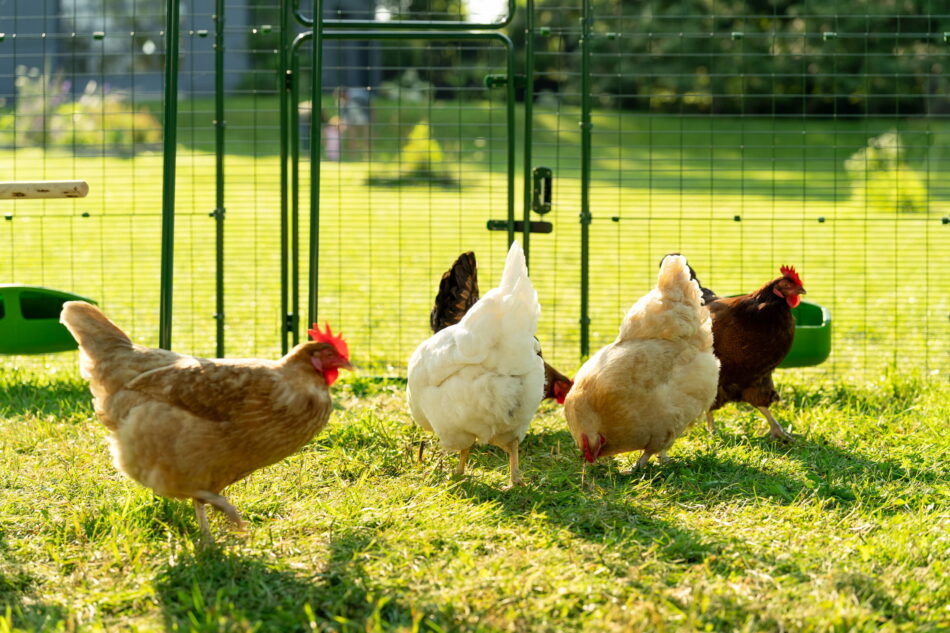
Before you source your chickens, make sure your coop, run, feed, and water are in place. Getting the setup right first makes the whole experience smoother from day one.
Buying Chickens from an Online Hatchery
Online hatcheries are one of the most popular ways to buy chickens in the UK, and it’s easy to see why. They specialise in hatching and delivering day-old chicks directly to your door, and many also offer older pullets and started hens if you’d rather skip the brooder stage.
The biggest advantage of buying from a hatchery is selection. Most carry dozens of breeds, from common egg-layers like Rhode Island Reds and Buff Orpingtons to heritage and rare varieties that are almost impossible to find locally. Many hatcheries ship year-round, so you’re not limited to the spring “chick season” that governs most feed stores.
What to Look for in a Hatchery
It’s worth doing a little research before you place an order. Look for these three things:
- Defra registration: In the UK, hatcheries with 50 or more birds must be registered with the Animal and Plant Health Agency (APHA). Registration is a basic indicator that the operation is above board.
- A live arrival guarantee: Delivering chicks by courier carries some risk. A good hatchery will replace or refund chicks that don’t arrive alive.
- Strong customer reviews: Look for consistent positive feedback on breed accuracy, bird health, and customer service.
Caring for Mail-Order Chicks on Arrival
When your chicks arrive, they need attention immediately. Have everything ready before your delivery lands:
- Fresh water with poultry electrolytes added (to help them settle in)
- A heat source set to 35°C for the first week, reducing by 3°C each week after
- Chick starter feed, which gives them the right protein and nutrient balance for the first few weeks of life
Chicks are resilient, but that first hour matters. Getting them warm, hydrated, and fed quickly helps them to settle in well.
Where to Buy Chickens Near You
If you’d rather see the birds before you buy, there are plenty of local options across the UK. Buying locally means you can inspect your chickens in person, which is especially useful when you’re adding adult hens to an existing flock.
Farm Shops and Agricultural Merchants
Some farm shops, agricultural merchants, and rural pet shops stock chicks and pullets, particularly in spring and early summer. It’s worth ringing ahead to check availability, as stock varies by region and season. Selection is usually limited to a handful of popular hybrid breeds, so if you have a specific breed in mind, a dedicated breeder is a better bet.
Local Breeders and Backyard Keepers
Private breeders and experienced backyard chicken keepers are one of the best sources for quality birds, and they’re available year-round. You’ll usually need to find them online but the benefit here is that you can visit, see how the birds are kept, ask questions, and often choose your birds by hand.
Poultry Shows and Agricultural Shows
Poultry shows and agricultural shows run throughout the summer and are a brilliant place to find quality, purebred birds. The Poultry Club of Great Britain maintains a show calendar, and most county agricultural shows will have a poultry section worth exploring. Breeders who show their birds take pride in the quality of their stock, so you’re likely to come home with healthy, well-handled hens.
Animal Shelters and Chicken Rescues
It’s less well known, but animal shelters and chicken rescue organizations often have adult hens available for low adoption fees. Hens are sometimes surrendered or confiscated from previous owners, and shelters are keen to rehome them quickly since chickens don’t do well in a shelter environment. If you’re open to giving a hen a second chance, this is a genuinely rewarding route.
One organisation well worth knowing about is the British Hen Welfare Trust (BHWT). They rehome ex-commercial laying hens into backyard flocks across the UK, and have placed over one million hens since 2005. Each year, millions of hens reach the end of their commercial farming cycle, and the BHWT connects them with adoptive homes where they can live out their natural lives as backyard companions. Rehoming events are listed on their website, and you can join a waiting list if there isn’t one near you yet.
Farmers Markets
In rural areas, some farmers market vendors sell live birds, particularly in spring and summer. It’s not universal, but worth checking if you have a market nearby.
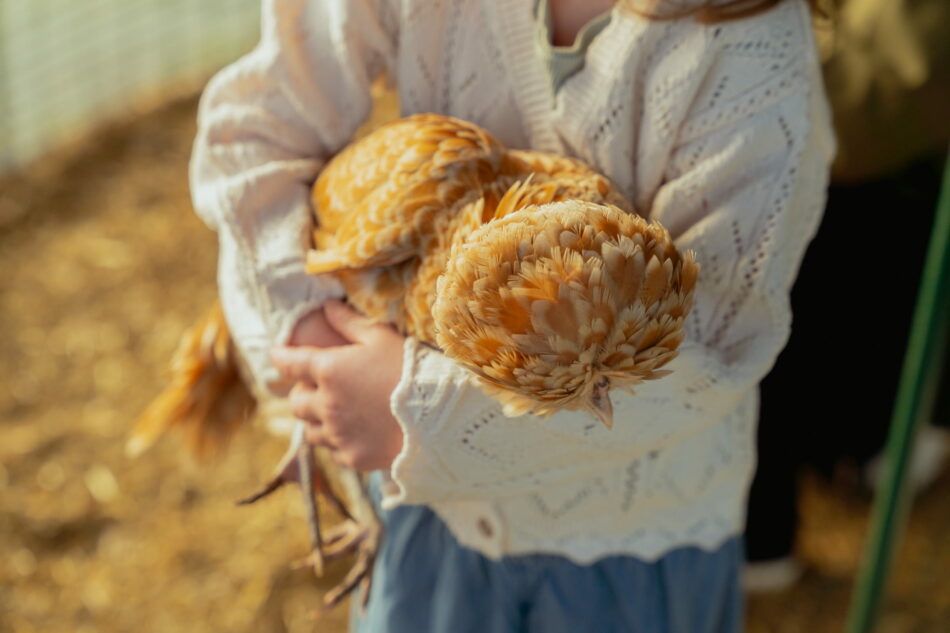
Chicks, Pullets, or Hens: Which Should You Buy?
Once you’ve decided where to source your chickens, you need to decide what age to buy. This is one of the most important decisions a new keeper makes, and the right answer depends on your setup, your patience, and how quickly you want eggs.
Here’s a straightforward comparison:
- Day-old chicks: Lowest cost, brooder needed for 12 weeks, first egg in 4 to 6 months. Best for those who want the widest breed choice and want the experience of raising chicks.
- Pullets (8 to 16 weeks): Mid-range cost, no brooder needed, first egg in 2 to 4 months. Best for those who want a head start past the most vulnerable stage.
- Point of lay pullets (16 to 20 weeks): Mid to high cost, no brooder needed, first egg within weeks. Best for beginners who want eggs soon without the brooder setup.
- Adult hens (20+ weeks): Highest cost, no brooder needed, eggs immediately. Best for those who want results from day one and don’t mind paying more upfront.
Day-Old Chicks
Chicks are the cheapest option and give you the widest breed selection, but they come with the most demands. You’ll need a brooder setup for around 12 weeks before they’re ready to move outside, and you won’t see your first egg for four to six months. They’re a brilliant choice if you enjoy raising birds from the start and want to bond with them early.
Pullets
Pullets (aged 8 to 16 weeks) are past the most vulnerable stage of life and don’t need a brooder, but they’re still a few months away from laying. They sit in a useful middle ground for keepers who want young hens without committing to full chick brooding.
Point of Lay Pullets
Point of lay pullets, typically between 16 and 20 weeks old, are the most popular choice for new keepers, and for good reason. They start laying within weeks of arriving home, require no brooder, and are generally robust and easy to handle. If you’re just getting started, this is the age we’d recommend.
Adult Hens
Adult hens cost the most upfront but lay immediately. The trade-off is that they have a shorter productive lifespan ahead of them. They’re a good option if you want eggs from day one and don’t mind paying a little more.
Rescue Hens
Rescue hens are typically point of lay or adult age, making them a great option if you want eggs quickly and are happy to put a little extra care in at the beginning. Many rescue hens settle in beautifully once they’re in a calm, well-set-up environment.
What to Check When Buying in Person
Whether you’re buying from a breeder, a shelter, or a show, always inspect the chickens before you take them home. Healthy hens should have:
- Bright, clear eyes
- A clean vent (no matting or staining)
- Full, even feathering
- Active, alert behaviour
- No laboured or rattling breathing
If anything looks off, trust your instincts and walk away.
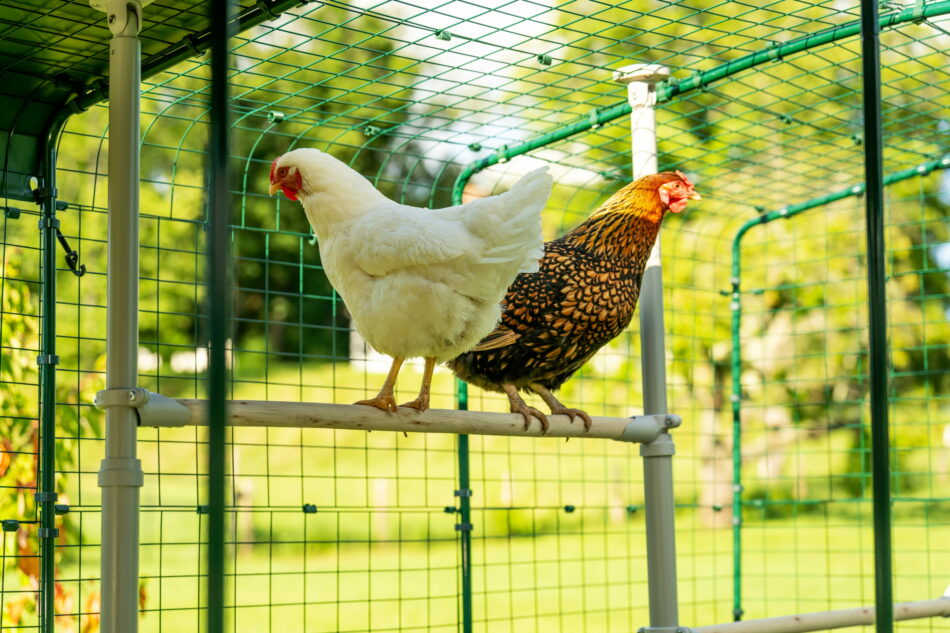
How to Hatch Your Own Chickens at Home
Hatching your own chicks is a different experience altogether, and it makes the most sense in a few specific situations: you want a breed that’s difficult to source, you enjoy the process of raising birds from the very beginning, or you have children who would love to watch it happen. It’s rewarding, but it does require planning ahead.
Two Routes to Hatching
Using an incubator is the most reliable method and gives you full control over the process. A good incubator should have an automatic egg turner (otherwise you’ll need to rotate the eggs manually several times a day), an internal thermometer and hygrometer to monitor temperature and humidity, and enough space for your chicks to move around once they hatch.
Waiting for a broody hen is the more natural route, but it’s less predictable. Unless you have a large flock and a rooster to provide fertilized eggs, it’s generally easier to use an incubator.
Sourcing Hatching Eggs
If your flock doesn’t include a rooster, you’ll need to buy fertile eggs from an external source, like hatcheries, local breeders, or specialist sellers.
The Timeline
Chicken eggs take 21 days to hatch under the right conditions. After hatching, your chicks will need 12 weeks in a brooder pen before they’re ready to move outside. That’s a total of around 15 weeks from egg to outdoor living, so hatching is not the fastest route to a laying flock.
For a detailed look at each stage of raising chicks, the Omlet blog covers the full journey from hatch to hen: Stages of Raising Chickens.
What You Need Ready Before Your Chickens Come Home
Whatever route you choose, the most important thing is being prepared before your chickens arrive. Having everything in place from day one reduces stress for both you and your new flock, and gets things off to the best possible start.
The Coop and Run
Your coop and run should be secure, clean, and ready before your chickens set foot in the garden. This is especially important for adult hens, who will go straight outside rather than into a brooder. Bedding should already be laid in the coop, and the structure should be checked for any gaps or weak points that a predator could exploit.
Chicken feeders and chicken drinkers should be filled and in position before your hens arrive, so they can eat and drink as soon as they’re settled in.
For Chicks Specifically
If you’re bringing home day-old chicks, you’ll need a brooder setup from the moment they arrive. That means:
- A brooder box with enough space for your number of chicks
- A heat plate or heat lamp set to 35°C
- Chick starter feed
- A suitable chick waterer (shallow enough that they can’t fall in)
Adding New Chickens to an Existing Flock
If you already have chickens, new flock members need a 30-day quarantine in a separate space before any introduction takes place. This protects your existing flock from any illness the new hens might be carrying. The Eglu Go and Eglu Go Up are both well-suited to this, as they comfortably house three to four birds and are easy to position away from the main coop.
Introducing New Hens Gradually
Once quarantine is complete, introductions work best when done gradually. Chickens should be able to see and smell each other through a barrier before they share the same space. The Omlet Walk In Run is a great option here, as you can add a Walk In Run partition down the middle so the two groups are separate but can see each other. When everyone seems comfortable, simply remove the partition and let them get acquainted properly.
Key Takeaways
- The main places to find chickens are online hatcheries, local farm supply stores, private breeders, poultry shows, animal shelters, and farmers markets.
- Hatcheries offer the widest breed selection and ship year-round, while local sources let you inspect birds before buying.
- Chicks are the cheapest option but need the most time and setup. Point of lay pullets are the easiest starting point for beginners who want eggs soon.
- Hatching your own chicks takes 21 days for hatching plus 12 weeks of brooding. It’s a rewarding experience, but you won’t get eggs straight away and it requires planning ahead.
- New chickens being added to an existing flock need a 30-day quarantine before any introduction, followed by a gradual, supervised meeting through a barrier.
- Having your coop, run, feeder, and waterer ready before collection day makes the whole experience smoother for you and your hens.
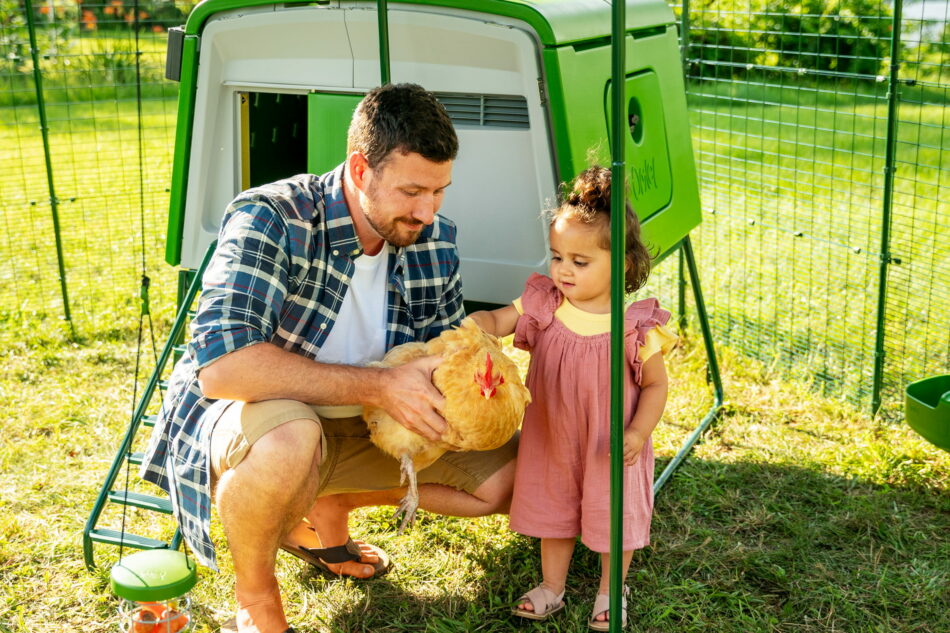
Omlet and your flock
Whichever route you choose, the right setup makes all the difference. The Eglu Cube is a brilliant beginner chicken coop, housing up to 6 large hens in a design that’s easy to clean, easy to move, and built to keep your flock safe. Paired with the Walk In Chicken Run, your chickens will have plenty of space to forage, perch, and explore from day one.
All of our products are designed to make chicken keeping enjoyable, whether you’re starting with a trio of point of lay pullets or building up a flock over time. We’re here to help you get it right.
This entry was posted in Chickens