 Free returns
  180-day guarantee
  10% off your first order
 10 Things Every First Time Chicken Owner Should Know
Chickens make wonderful family pets, bringing joy and a sense of calm to even the busiest households. If you’re thinking about starting your own flock, here are ten important things to know before you begin.
- You’ll Quickly Fall in Love
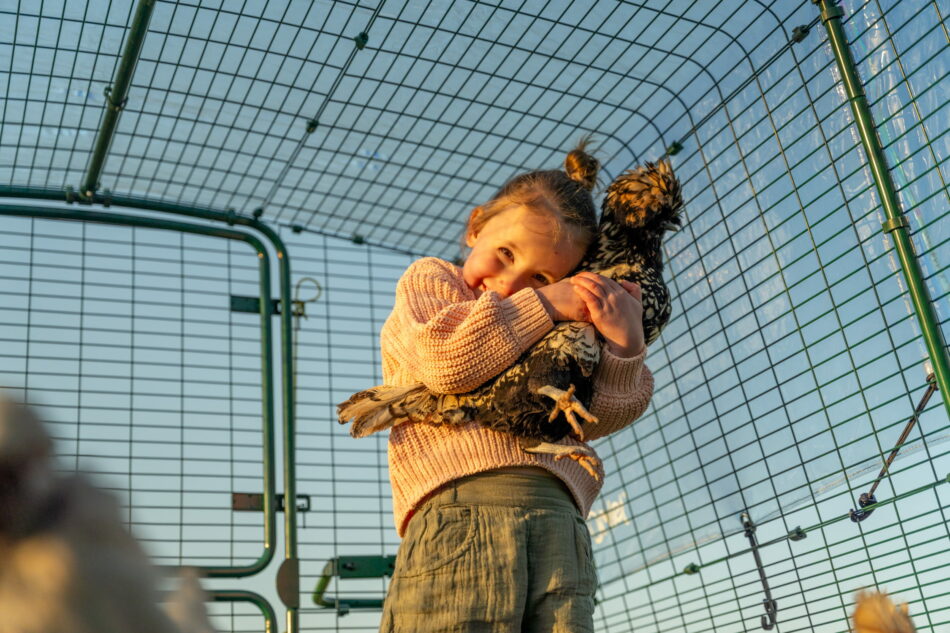
What starts as a simple hobby often becomes a lifestyle, as chickens have a way of capturing your heart. Spending time outdoors with your flock is rewarding; not only do you enjoy fresh eggs, but you’ll also find their company relaxing and uplifting. Chickens encourage you to slow down, connect with nature, and appreciate the small moments.
- Some Breeds Are More Adventurous Than Others
Certain chicken breeds are more likely to try flying over fences, especially when curiosity takes hold. If you want to prevent escapes, trim their wings or choose chicken breeds less likely to attempt to fly. Silkies have feathers that make flight difficult, while Brahmas and Orpingtons are simply too heavy to get airborne. Choosing the right breed for your space makes chicken keeping easier.
- Chickens Need Companions
Chickens are social animals and thrive in groups. It’s best to keep at least two, but ideally three or four, to help them form healthy social bonds. Even if you start with just a couple, “chicken math” often means your flock will grow over time, as your love grows for these charming pets.
- Choose Breeds That Suit Your Climate
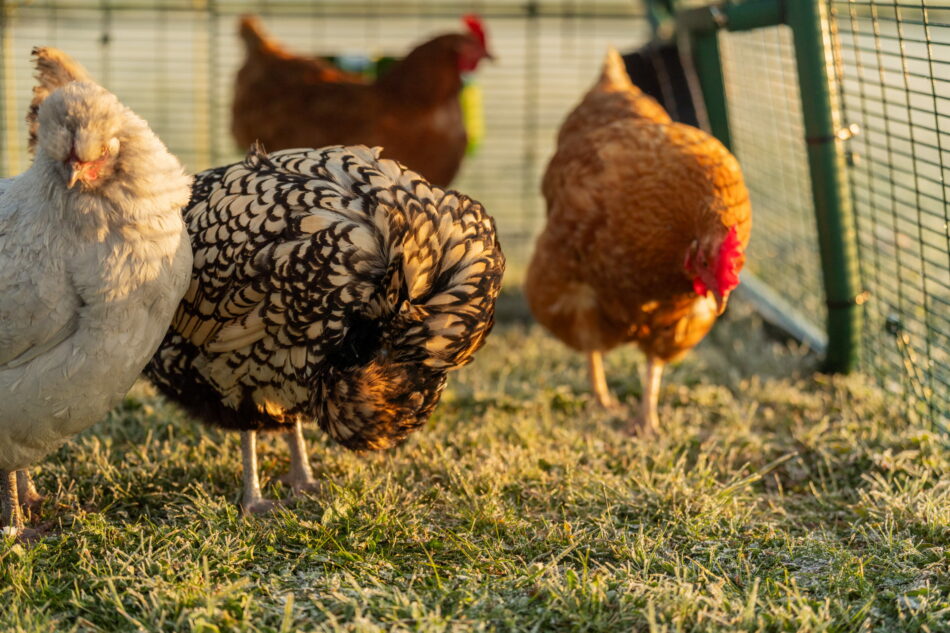
Not every chicken breed is suited to every environment, and if you experience extreme weather it’s especially important to choose breeds that will tolerate those temperatures. Some, like Frizzles and Silkies, have unique feathers that don’t offer much protection in extreme temperatures. Breeds with large combs, such as Leghorns and Rhode Island Reds, need extra care in cold weather. If you live in a hot climate, look for heat-tolerant breeds; for cold climates, choose those that are more frost-resistant.
- Hens Can Be Chatty
Cockerels are famous for their crowing and if you’re concerned about noise, you can keep only hens, as they lay eggs without a cockerel. Hens are much quieter but can also be vocal, especially after laying eggs. Some breeds, like Buff Orpingtons, Brahmas, and Silkies, are known for being quieter, making them a good choice for suburban or urban settings.
- Check Your Local Regulations
Before you start your flock, check with your local authority to ensure chickens are allowed. Many places permit garden flocks, but there may be restrictions on flock size or whether you can keep a cockerel. Some areas require movable coops, so a chicken tractor is the best option. Always confirm the rules before bringing chickens home.
- You Need a Set Up That Will Keep Them Safe
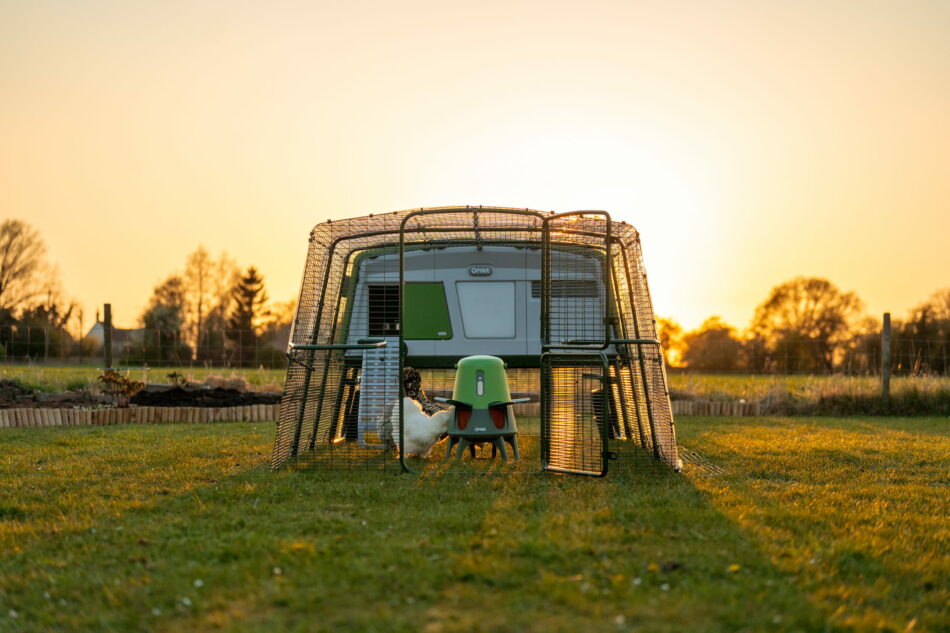
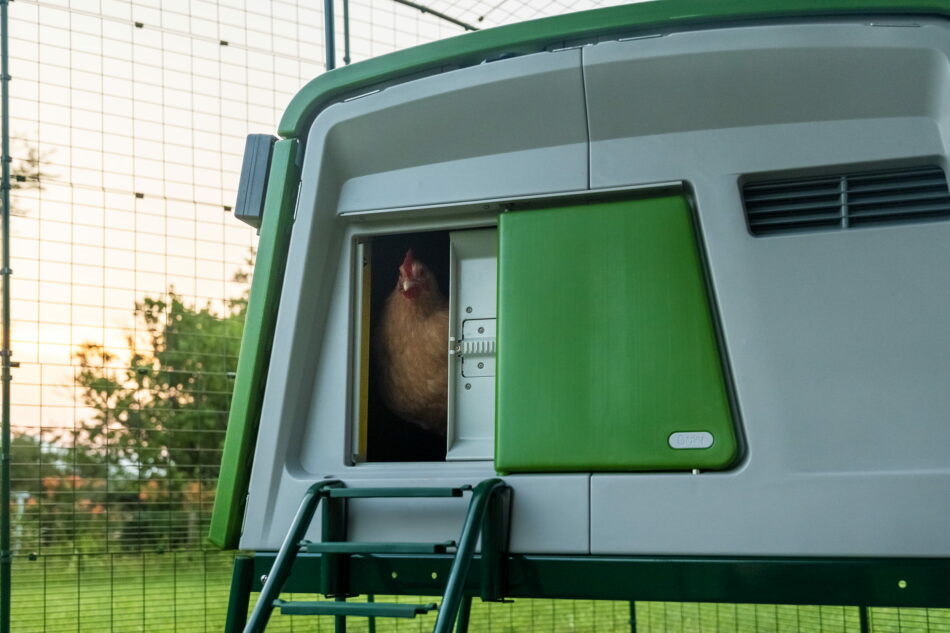
Keeping your chickens safe is straightforward with the right setup. Depending on your location, predators may include badgers or foxes. Choose a strong, secure enclosure with a roof, such as Omlet’s steel Walk In Run, to protect your flock from both land and sky predators. You can attach a horizontal automatic chicken coop door opener to lock your chickens in at night, even when you’re away. To deter pests attracted by spilled feed, consider a no waste chicken feeder.
- You Can Keep Chickens Even If You Have Other Pets
Let your chickens settle into their new home before introducing them to your dogs or cats. Introduce existing pets slowly, rewarding calm behaviour, and always supervise interactions. Keeping chickens in a secure run helps keep everyone safe.
- Chickens Are Natural Pest Controllers
Allowing chickens to roam in a fenced area gives them the chance to forage for insects, helping to keep your garden free of pests. Chickens will eat grasshoppers, worms, and even spiders, which can help protect your vegetable patch. Just remember to fence off any plants you don’t want them digging in or that could be harmful to them.
- Chickens Are Easy to Care For
Chickens are easy-going and require little from you each day. Spend a few minutes checking their feeder and drinker to ensure they’re full and clean. In winter, water may freeze, so check more often or use an insulated drinker that keeps water fluid. Collect eggs daily and give the coop a weekly clean. Plastic coops like the Eglu Cube make cleaning quick and simple, with removable trays and roosting bars that wipe down and hose off in minutes. Automatic coop door openers and smart feeders can make care even easier, especially when you need someone else to look after your flock while you’re away.
Summary
- Chickens quickly become beloved companions and bring relaxation and joy to your life.
- Some chicken breeds are curious and may hop fences, so choose breeds that suit your space.
- Chickens thrive in groups and need the company of other chickens for happiness.
- Select chicken breeds that are well-suited to your local climate for their comfort and health.
- Hens can be vocal so choose quieter breeds for urban areas.
- Always check local regulations to ensure chickens are allowed in your area.
- Protect your flock from predators with a secure, well-designed coop and run.
- Introduce chickens to other household pets gradually.
- Chickens help control pests naturally by eating insects in your garden.
- Daily care and attention are important for keeping your chickens healthy and happy.
Omlet and Your Flock
Omlet has everything you need to make starting your chicken-keeping journey simple and enjoyable. Explore our range of products, tips, and advice on our blog and website. If you have any questions, our friendly customer service team is always here to help.
This entry was posted in Chickens