 Free returns
  180-day guarantee
  10% off your first order
 The Regen Hens: An introduction to Regenerative Chicken Farming
More and more chicken keepers are curious about getting their flock involved in gardening and farming – think fertilising soil, patrolling pests and helping tired lawns, allotments and fields bounce back.
We spent two days at FarmED in the Cotswolds learning from regenerative farmers and seeing how these ideas work in real life. The big takeaway? You don’t need acres of land or complicated systems. If you keep chickens and have green space, you’ve got what you need.
What does regenerative farming actually mean?
At its heart, regenerative farming is about leaving the land better than you found it. Instead of taking from the soil year after year, you help it recover, rebuild, and get healthier over time.
And here’s the good news: if you keep chickens, you’re probably already doing some of this – even if you didn’t know it had a name.
For chicken owners, regenerative farming comes down to a few simple ideas:
Work with nature, not
against it
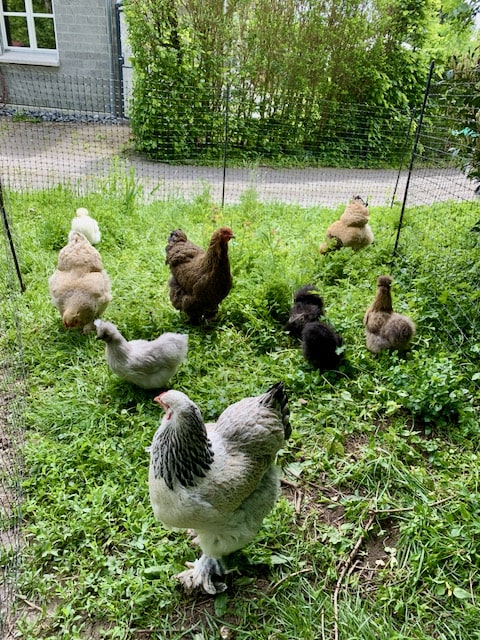
Keep plants growing where you can, let different grasses and herbs share the space, and move your chickens regularly so the ground has time to rest.
Put soil first
Healthy soil is the real star of the show. Keep it covered with plants or mulch, spread nutrients naturally by regularly moving the chicken coop or run, and avoid letting chickens churn up wet ground.
It’s no surprise that both Matt and Claire mentioned Joel Salatin, whose regenerative approach to chickens and pasture has inspired chicken keepers across the world. Each had put their own spin on his ideas, building or acquiring DIY versions of the classic Egg Mobile design, to improve soil health while keeping the ground from being overworked.
Close the loop
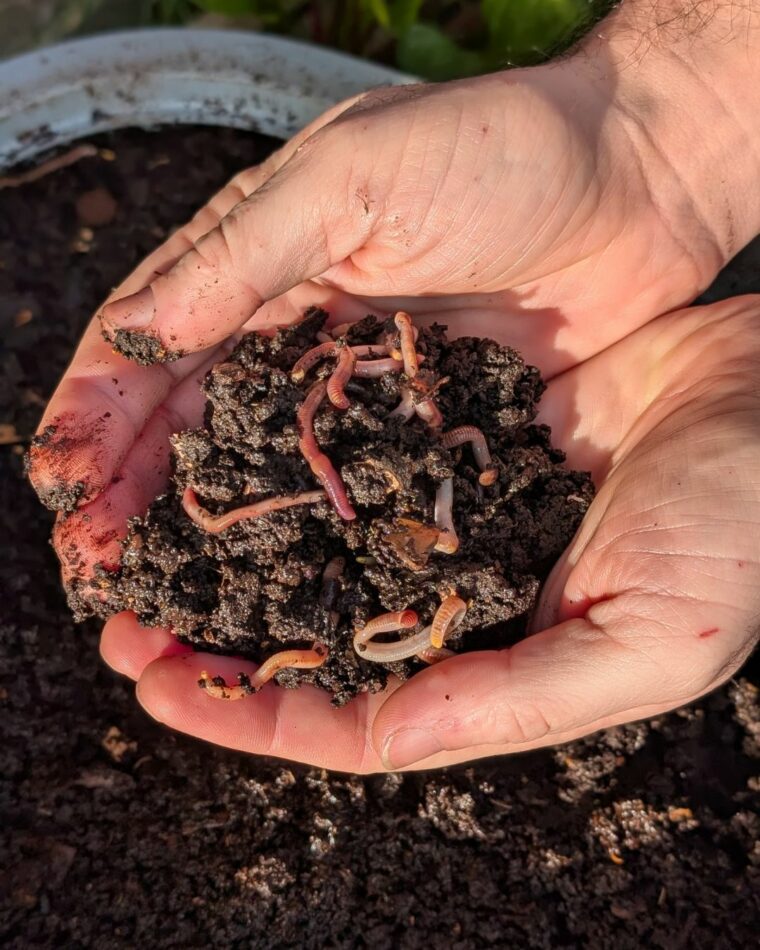
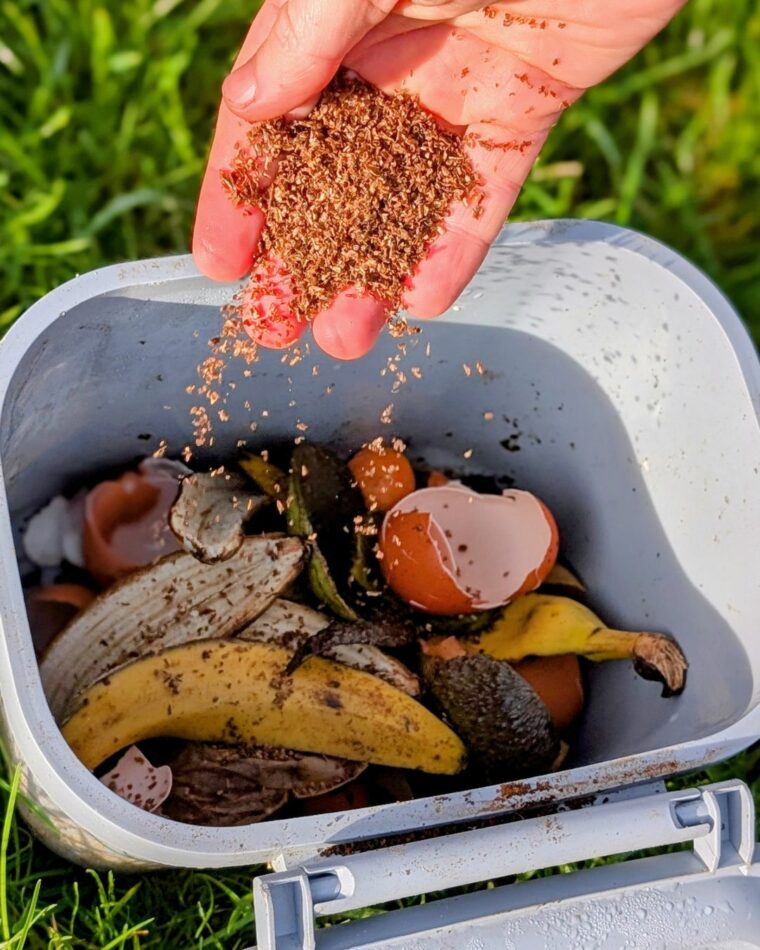
Turn “waste” into something useful. Compost chicken bedding and poo, try to avoid wasted feed so less ends up on the floor, and let your chickens recycle scraps into future goodness.
Think local
Regeneration isn’t just about land – it’s about people too. Share your eggs or compost with your community, swap tips with other keepers, and support local growers where you can.
How to get started
In your garden
You don’t need pasture or fancy kit to put these ideas into practice. Small changes add up.
- Move often: Shift your chicken run or coop regularly. Let each patch rest for a few weeks so grass and soil can recover.
- Protect the ground: Overseed bare patches with a mixed grass or herb blend. Use woodchip in high‑traffic areas and around drinkers.
- Feed smarter: An Omlet Smart No Waste Chicken Feeder keeps feed off the floor, deters pests by closing its ports automatically at night, and therefore saves you money. Win win!
- Get the basics right: Good ventilation, reliable shade, fresh water and a dust bath go a long way – especially in warm weather.
- Close the loop: Compost used bedding and manure. Once broken down, spread it on beds and borders for free fertility.
On your small farm or smallholding
The principles are exactly the same – you’re just working at a bigger scale.
- Plan rotations: Let hens follow cattle or sheep where possible, moving them frequently and resting paddocks so plants can regrow.
- Grow diversity: Mixed pastures (often called herbal leys) improve soil structure, resilience and forage quality.
- Keep it mobile: Towable coops and simple, airy shelters make regular moves quick and low‑stress for chickens and humans alike.
- Add trees: Shelter belts or agroforestry strips provide shade, wind protection and deeper roots to cycle nutrients.
- Watch and adjust: Keep an eye on ground cover, feed use and bird health – then tweak move frequency based on what the land is telling you.
Regenerative farming doesn’t have to be complicated.
It starts with paying attention: moving the flock before the ground suffers, keeping soil covered, and turning everyday chicken keeping jobs into small wins for the land around you.
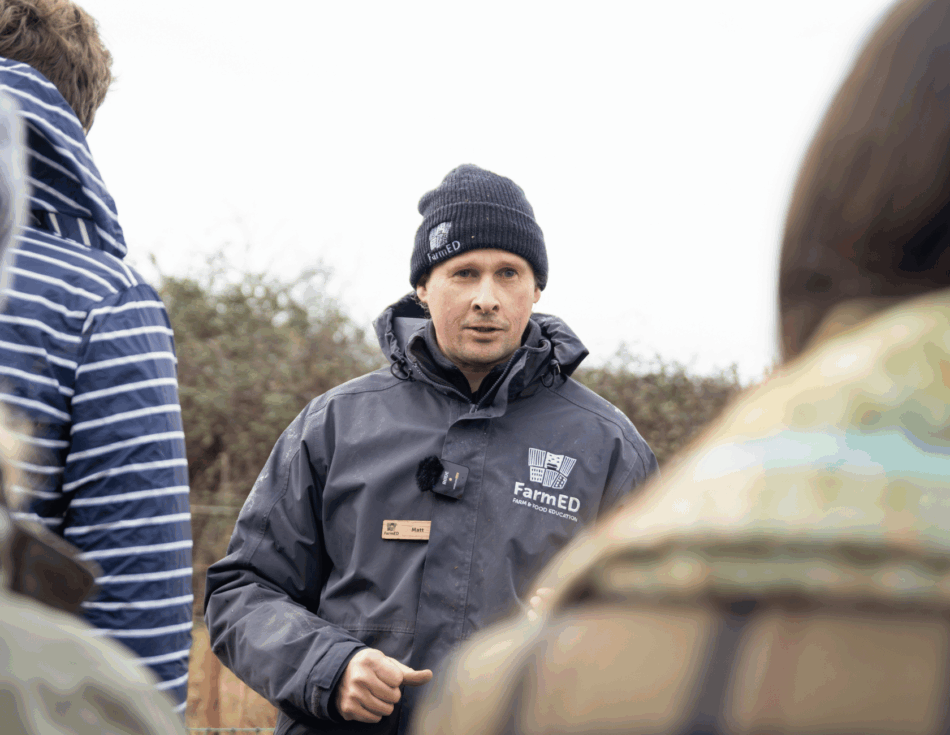
Huge thanks to Matt Elliott, Agricultural lead at FarmED (as well as running Sandy Hill Farm), and Clare Hill, co-founder of Planton Farm and Impeckable Poultry, for explaining just how practical (and achievable) regeneration can be with chickens involved.
This entry was posted in Chickens