 Free returns
  180-day guarantee
  10% off your first order
 What can chickens eat?
Chickens are naturally curious foragers, and their diet plays a significant role in their health, happiness, and productivity. At the heart of a balanced chicken diet is a high-quality layer pellet, which provides a carefully formulated mix of grains, protein, and essential vitamins. Overindulging in treats can disrupt the nutritional balance they need. Additionally, chickens require grit in their diet to help them digest food properly, supporting their overall well-being.
One important rule to be aware of before getting started: Defra regulations make it illegal to feed chickens anything that has passed through your home, including kitchen scraps, household food waste, and even fruit and vegetable peelings. If it’s been in your house, it cannot go to your flock. This rule is in place to help prevent the spread of disease, so it’s best to stick to approved feed and treats.
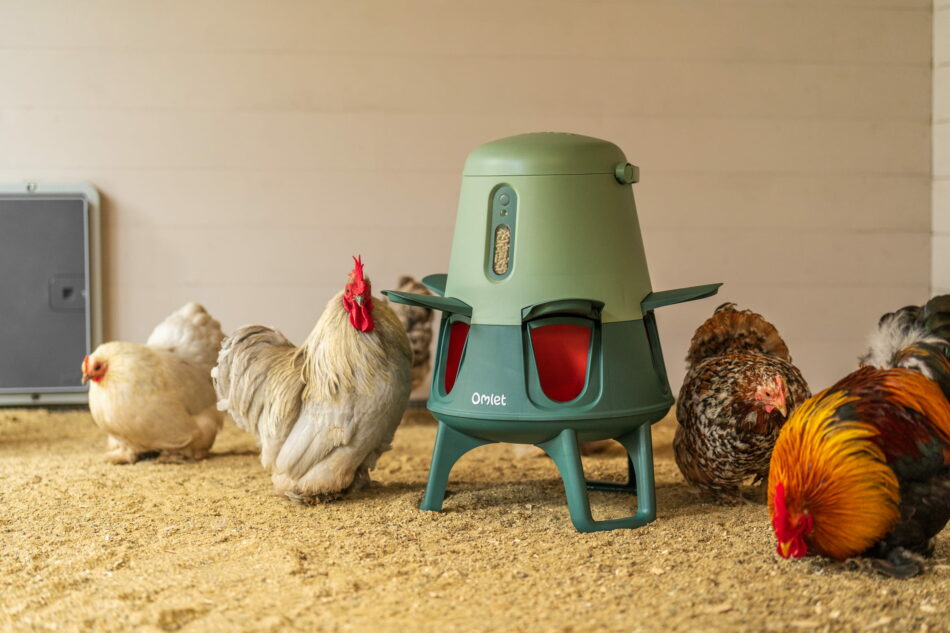
What to feed chickens?
Feeding chickens starts with understanding their basic nutritional needs. The primary food for laying hens should be layer pellets, which are designed to meet the daily requirements for protein, vitamins, and minerals. These nutrients are crucial for maintaining energy, supporting immune function, and ensuring consistent egg production. If you’re interested in making your own chicken feed, we have some advice on our guide to help you with this.
Layer pellets and chicken feed
Layer pellets are the gold standard for laying hens. As a guideline, each chicken should receive about 120g of pellets per day. These pellets contain a balanced blend of grains, proteins, and essential nutrients, ensuring your flock gets everything they need for optimal health and egg laying. If you are interested in maximising your hens’ egg production, you may want to read our article on 8 ways to make your chickens lay more eggs.
Generic chicken feed, which often includes a variety of grains such as corn, wheat, and barley, can also be used. These feeds provide a good source of energy and can be alternated with layer pellets. However, always ensure that the feed you choose is appropriate for the age and purpose of your chickens, as chicks, growers, and layers have different nutritional needs.
The importance of grit
Chickens do not have teeth, so they rely on grit, small stones or insoluble particles, to help grind down food in their gizzard. Without grit, chickens may struggle to digest their food properly, which can lead to digestive issues and poor nutrient absorption. Grit should be made available at all times, especially if your chickens are not free-ranging on soil where they can naturally find it.
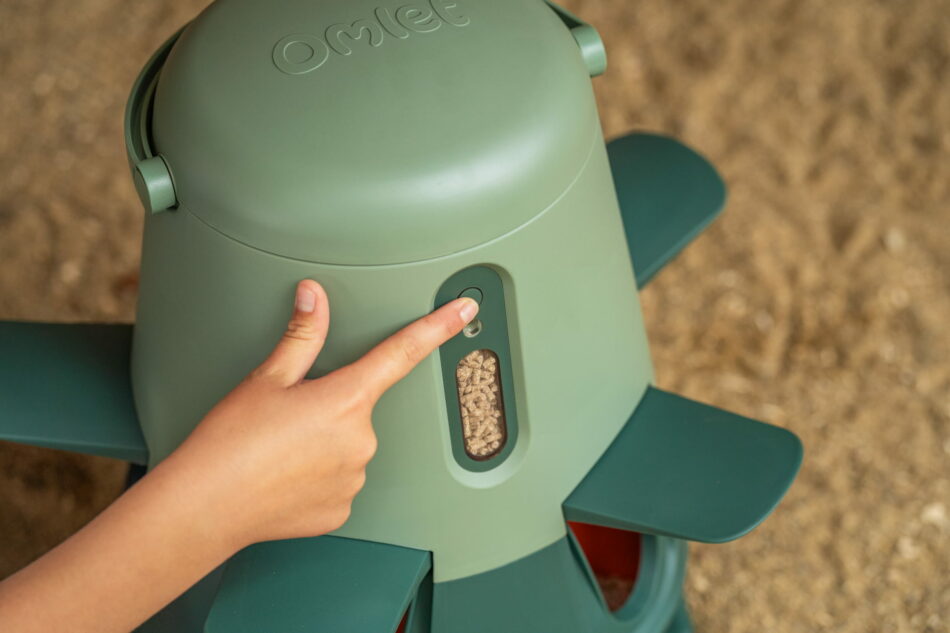
Feeding equipment
Investing in a reliable chicken feeder is an effective way to manage your flock’s diet. A well-designed feeder, such as the Omlet No Waste Feeders, helps you easily monitor feed levels, minimises waste, and keeps food clean and dry. Choosing the right feeder can make daily care simpler and more efficient for both you and your chickens.
How to serve treats safely
When offering treats to your chickens, preparation is key. Always chop treats into bite-sized pieces to prevent choking and make them easier to digest. Remove any parts that could be harmful, such as apple seeds or tomato stems. Wash all fruits and vegetables thoroughly to remove pesticides and dirt.
Treats should never make up more than ten percent of your chickens’ overall diet. The majority of their nutrition should come from a balanced layer feed, which is formulated to meet all their dietary needs.
Monitoring your chickens’ diet
Keeping an eye on what your chickens eat is essential for their health. Too many treats can lead to obesity, reduced egg production, and other health issues. Using a smart chicken feeder can help you track how much your flock is eating and ensure they always have access to fresh, clean food.
If you notice changes in your chickens’ behaviour, appetite, or egg production, review their diet and make adjustments as needed. Sometimes, a simple change in feeding routine or treat frequency can make a big difference.
Enrichment and feeding products
Providing enrichment is just as important as nutrition. Products like the Treat Caddi, Peck Toys, and Smart Feeder not only make feeding easier but also keep your chickens entertained and engaged, as well keeping the floor clean which in turn prevents pests. These tools help distribute treats evenly, reduce food waste, and encourage natural behaviours like pecking and foraging.
For example, the Treat Caddi can be filled with fruits or vegetables and hung in the run, encouraging chickens to peck and explore. Peck Toys dispense small amounts of food as chickens interact with them, providing both mental and physical stimulation. The Smart Feeder allows you to monitor feed levels and reduce spillage, ensuring your flock always has access to the nutrition they need.
Key takeaways
- Chickens need a diet consisting mainly of layer feed to get essential vitamins and minerals
- All treats should be served in moderation to maintain a balanced diet
- Chop treats into bite-sized pieces to avoid choking and aid digestion
- Grit is essential for proper digestion, especially if chickens are not free-ranging
- Use feeding and enrichment products to make feeding easier and more enjoyable for your flock
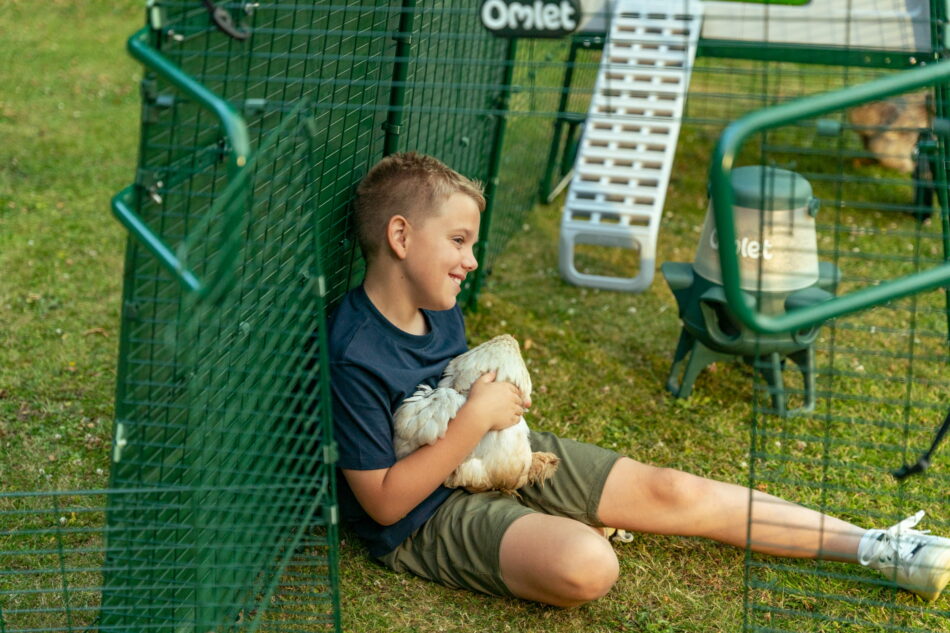
Omlet and your flock
At Omlet, we understand that keeping chickens is about more than just providing food. It is about creating a happy, healthy environment where your flock can thrive. Our range of products, from smart feeders to enrichment toys, is designed to support you in caring for your chickens every step of the way.
We are passionate about sharing our knowledge and expertise, helping you make informed decisions about your flock’s diet and well-being. Whether you are a seasoned chicken keeper or just starting out, you can count on Omlet for advice, support, and innovative products that make chicken keeping a joy.
For more tips and information, explore our other articles and guides, and discover how Omlet can help you and your flock live your best lives together.
This entry was posted in Chickens