 Free returns
  180-day guarantee
  10% off your first order
 Winter Chicken Care FAQs
Winter might bring frosty mornings and snowy days, but with a little know-how and proper insulation, you can keep your flock cosy and content all season long. We know you care deeply about your chickens, and we’re here to help you every step of the way. In this handy FAQ guide, you’ll find answers to your top winter chicken care questions so you can feel confident, prepared, and ready to enjoy the magic of winter with your feathered friends.
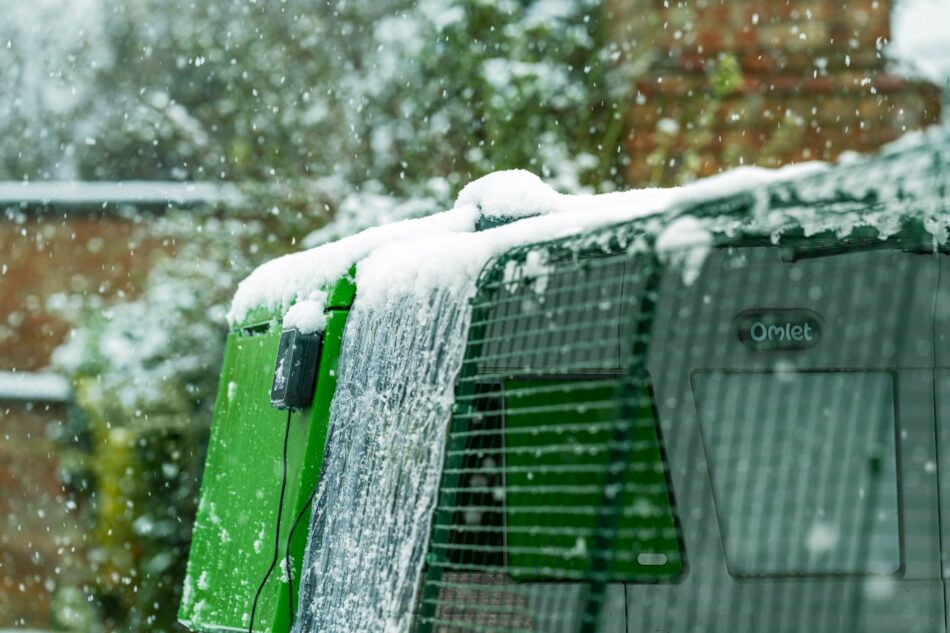
Will my chickens get too cold over winter?
You might be surprised to learn that your chickens are natural cold-weather experts. They adapt wonderfully to chilly temperatures and often thrive in cooler conditions compared to sweltering heat. With an insulated coop, like the Eglu Cube Chicken Coop, keeping them snug is a breeze. During the cold months, you may notice your flock fluffing up their feathers or cosying together for extra warmth. Much like other birds, they sometimes stand on one leg to conserve body heat and protect their feet from the icy ground.
Can chickens get frostbite?
While your chickens are unlikely to overheat or get too chilly inside a well-prepared coop, be mindful of frostbite and hypothermia. These issues typically arise due to excessive moisture in your chicken coop rather than just the cold itself. Opt for a coop with draft-free ventilation to keep moisture at bay. Keep an eye on breeds with big combs and wattles, as these areas are more vulnerable to frostbite. A gentle daily application of Vaseline can help protect these sensitive spots.
Do I need to insulate my chicken coop?
A well-insulated chicken coop, such as the Eglu, captures your chickens’ body heat inside, keeping them warm while barring cold air from sneaking in. These coops are designed thoughtfully to allow airflow and prevent moisture build-up without causing draughty chills. For extra protection during extreme weather, you can enhance their safety with Omlet’s range of insulating blankets and jackets. And if you don’t have an Eglu, a wooden coop can be insulated with bubble-wrap, cardboard, or even old rugs, carpet remnants, and blankets. Remember to add some extra bedding too.
Should I heat my chicken coop?
Heating your hen house might actually discourage your chickens from venturing outdoors. When a coop is too warm, your feathered friends may miss out on the fresh air and exercise they need to stay healthy and happy. Moreover, a sudden temperature drop, especially during a power outage in a winter storm, could shock your chickens. It’s important to note that heat fixtures, brooder lamps, or panels pose a fire risk. Steer clear of electric heaters, gas-powered heaters, or open flames for the safety of your flock.
What should I feed my chickens in winter?
During winter, continuing to provide your poultry, including chickens, with a balanced diet of high-quality layer pellets is key to keeping them healthy and energized. They tend to eat a bit more in the cold to keep their metabolism running, so a slight boost in feed is a great idea. Supplementing their diet with additional vitamins and minerals can bolster their immune systems through the chilly season.
What temperature should chicken water be?
Your chickens’ water doesn’t need to be warm, but it should always be fresh and unfrozen. Ideally, keep their water between 50°F and 59°F (10-15°C), so it’s easy for your flock to drink, even on the chilliest days. Ensure it doesn’t drop below 41°F (5°C) as this can prevent your chickens from getting enough water which can impact egg production and health. With a little help from an enclosed chicken waterer, you can make sure your hens stay hydrated and happy all winter long.
How do you keep chicken water from freezing?
Keep a watchful eye on their water supply, it can easily freeze over in the colder months. Many chicken keepers will visit their hens multiple times a day to break the ice in their waterer, or try adding moving objects like ping pong balls to keep water fluid, but if you continue to have problems with water freezing, consider investing in aninsulated chicken waterer. Designed to shield water from the elements, Omlet’s innovative waterer has thick insulation that keeps the water inside at a comfortable drinking temperature and prevents freezing, so your chickens always have clean water to drink. 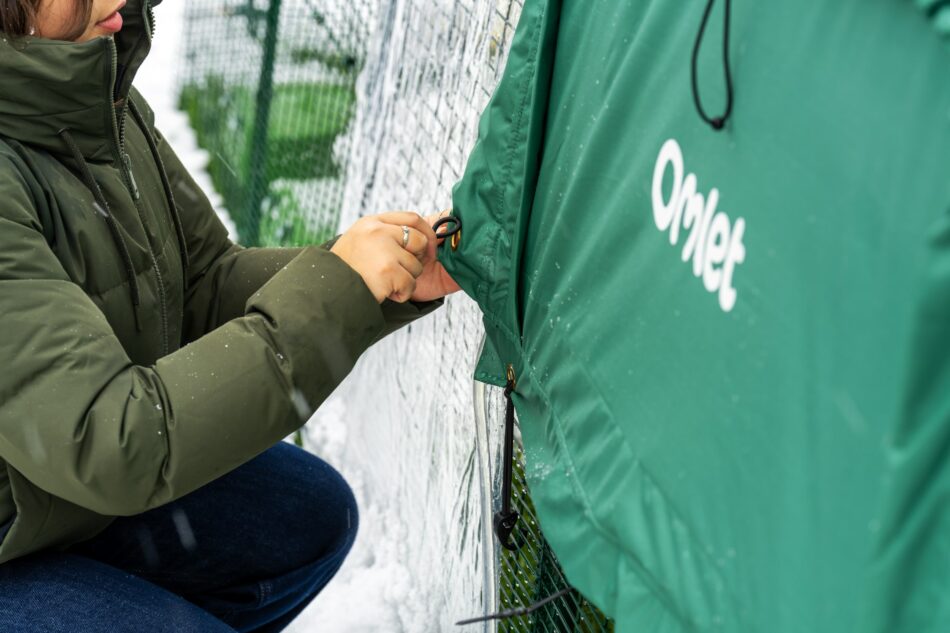
Will my chickens become under the weather over winter?
Just as you might feel a little off during the cold months, some of your chickens could feel under the weather too if their shelter isn’t adequate. Keep an eye out for signs like coughing, sneezing, or lethargy. By staying alert to these symptoms, you can promptly address any health issues. For more tips on tending to your flock’s well-being, check out the Omlet guide on how to look after your chickens’ general health.
Do chickens roost for longer in winter?
Your chickens absolutely love to roost, and come winter, you’ll notice they spend even more time doing so. When temperatures drop, they often group together into one feathery bundle to conserve warmth, particularly at night. When providing roosting rungs or chicken perches, ensure they’re wide enough for your chickens to cover their toes with their feathers, protecting them from the cold ground. Make sure to create comfortable perching spots in both their coop and run to keep those tiny feet cosy.
How can I keep my chickens entertained during winter?
Winter can sometimes leave your garden poultry with fewer distractions, as there are fewer bugs to catch and less vegetation to peck at. But don’t worry, a few fun additions can keep their spirits high. Try adding peck toys, chicken perches, chicken swings, or even the Omlet Pole Tree chicken perch. Alternatively, a pile of leaves or some compost can offer hours of entertaining exploration. You can also sprinkle in a few chicken treats to spark an exciting scavenger hunt.
Will my hens still lay eggs in winter?
Winter’s shorter days and colder weather can influence your hens’ egg production. Hens typically need between 12-14 hours of daylight to lay eggs, with 16 hours being the ideal for peak production. Nature has its way of signalling that it’s time for your hens to rest and conserve energy to keep warm. As a result, many breeds will reduce or even temporarily stop egg production during the winter and then resume once the days grow longer again in the spring.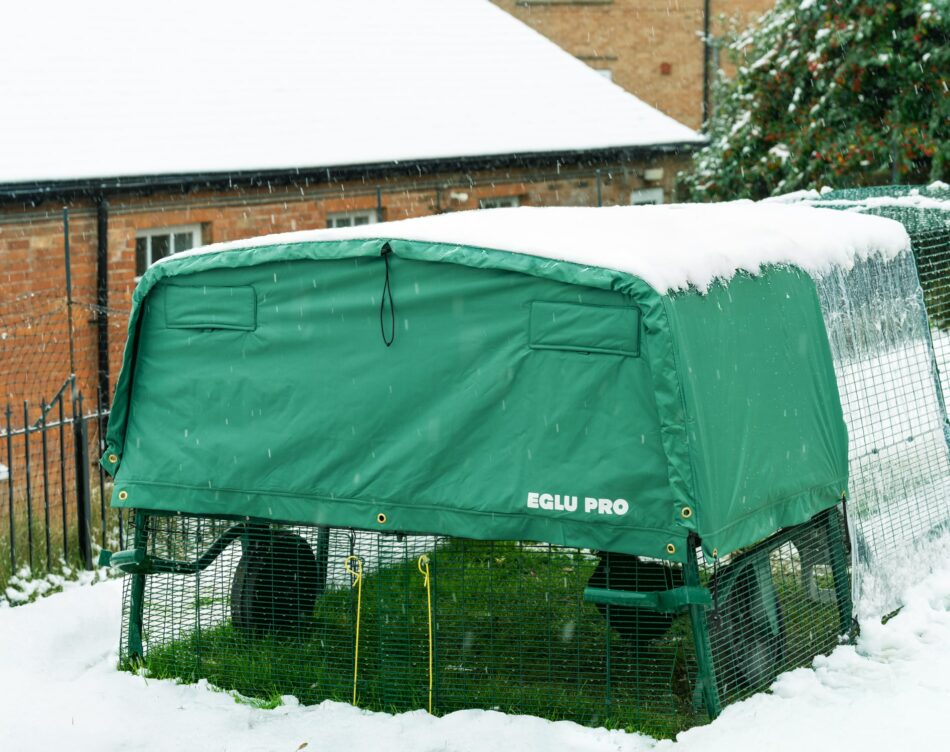
Omlet and your flock
When winter rolls in, you want your flock to feel safe, snug, and right at home, and that’s where Omlet comes in. With our insulated Eglu Chicken Coops and clever weather protection covers, you’ll have everything you need to keep your chickens warm and happy, no matter how frosty it gets. Our thoughtfully designed products make winter chicken care simple and stress-free, so you can spend more time enjoying your flock and less time worrying about the cold.
This entry was posted in Chickens
2 replies on “Winter Chicken Care FAQs”
Should my 5 large hens have a perch in their Eglu Mark 1? And if so, where & what do you erect it to?? They have a perch in their run.
thanks this is good advice and explains why our chickens huddle together in their insulated hut. the hut was previously one of our cattery units and they seem comfortable. we added another chicken last year when we recued a fighting cockerel who was in very bad condition. He has fitted in really well and gets on with the other cockerel ( sussex white) it’s great to see them.