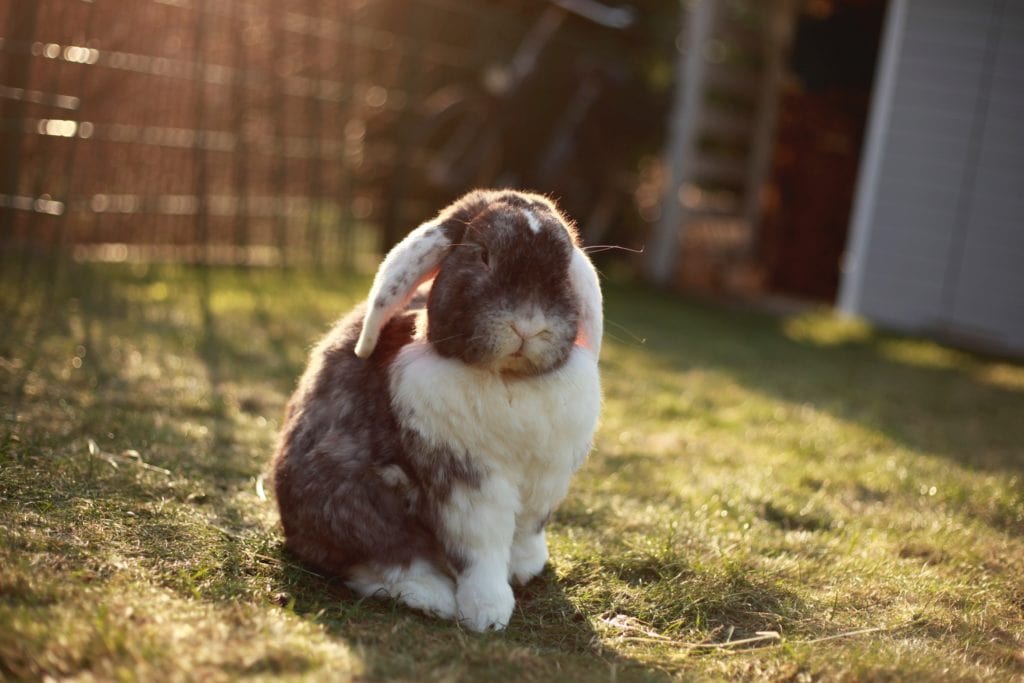
Winter is highly anticipated by some, and a source of apprehension for others. Depending on where you live, your outdoor rabbit could fall into either category! Rabbits that live in states that experience long, hot summers look forward to winter with glee. The good news is that rabbits are naturally able to handle the cold better than excessive heat, and with a helping hand from their human, they’ll be ready to withstand the cold winter months.
Your pet rabbit’s wild counterparts have multiple ways of managing their wellbeing in the cold. For instance, rabbits have a burrowing instinct, as the underground is more insulated and temperature-regulated than the outside air and at the mercy of the weather. But since burrowing down in the ground all winter isn’t an option for most domesticated rabbits, we’ve created rabbit hutches and accessories at Omlet to simulate the ideal conditions for your rabbit to withstand wild weather of all varieties!
With a few minor adjustments to your rabbit’s diet and routine, along with products designed by Omlet to keep the weather out and the warmth in, your rabbit can spend the winter months in their element – safe from the elements!
Cold-natured
Rabbits have dense coats that insulate them from both heat and cold. In the summertime, you’ll notice your rabbit “blowing” their coat frequently in an effort to release their dense undercoat in favour of the longer “guard hairs” on top. As the days shorten and grow colder, outdoor rabbits will shed less and grow out their insulating undercoat once again in preparation for winter. You’ll notice your bunny looking particularly poofy by the time cold weather sets in!
Once they’ve donned their winter coats (courtesy of nature!), bunnies are right at home in the cold! Like their wild counterparts, most pet rabbits will appear more energetic and playful in the colder months. But their increased activity isn’t just out of joy for the season – it’s also to create more energy and heat to warm themselves up. Nevertheless, it’s fun to watch pet rabbits increase their body temperatures through zoomies, hopping, binkies, and social play!
Multiple factors such as breed, size, housing conditions, and age need to be taken into consideration when determining how cold is too cold for your rabbit. As a general rule, most rabbits should be comfortable in temperatures above freezing. Once the weather hits 32℉, it’s time to evaluate how your bunny is faring.
Rabbits don’t mind a little snow, but if you’re in an area that experiences hard frosts and blizzard conditions, you’ll need to bolster your bunny’s shelter!
One of the best ways to keep your outdoor rabbit warm is to mimic their natural tactics in the wild. Bunnies burrow, nest, and huddle together for warmth – all of which you can recreate for your pet rabbit. Insulation, both in the wild and in your backyard, is a rabbit’s best friend in the cold.
Think of your rabbit’s hutch as their burrow. At Omlet, we’ve invented all of our rabbit products to maintain ideal temperatures and conditions for rabbits – just like they seek out in the wild. By selecting a well designed home for your bunny, such as the Eglu Go Rabbit Hutch, they will have an insulated hideaway from the cold that provides ample ventilation without sacrificing warmth. But unlike a bunny-engineered burrow, the Eglu Go Rabbit Hutch is waterproof and predator-resistant for when critters come lurking.
For frigid cold snaps, an Extreme Temperature Blanket is an excellent added layer of insulation for your rabbit’s hutch. Like any good insulation, the material won’t become waterlogged when the snow begins to melt, and traps extra heat underneath to further warm the hutch.
Wild winter weather
The winter season is unpredictable at best, and downright wild at its worst! Cold fronts can come out of nowhere, bringing temperature drops and heavy sleet or snow.
Rabbits, being the intuitive and sensitive animals that they are, can sense when a storm is coming. They can sense atmospheric pressure changes, which will drive them to seek shelter and hunker down. When seeking shelter, rabbits will choose the closest cover available. By placing a few Zippi Rabbit Shelters in their run, you can make sure your rabbit has ample opportunity to escape from the elements.
But you can also create a silver-lining to those winter storm clouds by creating a winter wonderland play-scape for your bunnies! By using a combination of Zippi Rabbit Tunnels, Zippi Rabbit Platforms, and Zippi Rabbit Shelters, you can design a winter-friendly playground that will make your bunny binky with joy!
Health and dietary considerations for winter
Rabbits need different care in the cold months vs the warmer months. You’ll want to inspect your rabbit’s coat before the first cold snap of the season. Check to make sure their undercoat is thick and healthy, and that they don’t have any patches where their hair has not grown in fully (rabbits may have bare or thinned patches of fur from rubbing, playing with each other, or from nervous grooming habits).
Make sure all water bottles or crocks are either insulated or heated to prevent freezing. Heating water on the stove or in the microwave several times a day to add to your rabbit’s watering device is another way of keeping their water thawed and palatable.
Rabbits also ramp up their metabolisms in the winter, and they’ll need more calories to support and maintain their increase in body temperature. They may pass on a hot cup of tea or cocoa, but your rabbit will thank you for extra hay and hay-based pellets during cold weather! You can give treats as usual, but additional treats aren’t necessary. Thanks to their unique digestive system, rabbits benefit the most from foods high in fibre – the longer it takes to digest, the more heat gets generated. Timothy hay, orchard grass, oat hay, and meadow hay are all energy-lending options that should be available at all times to your rabbit. Pelleted feed made primarily from hay should be free-fed as well. If you’re feeding your rabbit a blend (feed that has coloured pellets, cracked corn, or seeds) once or twice a day, you’ll want to transition to feeding a pellet feed before the winter. You can save their blended feed for a special treat to be given in small amounts a few times a week!
It’s important to remember that rabbits do not hibernate. In fact, they become even more active during the colder months! If you notice your rabbit acting lethargic or sluggish, bring them inside and contact your veterinarian. An underactive bunny in the winter is either too cold, or will become too cold very quickly!
It’s all in the design
Preparation is the best method for caring for your rabbit in the cold months. But wouldn’t it be nice to have rabbit-housing solutions that work not only in the cold, but also in the heat?
We don’t want you to have to swap out setups every time the seasons change! That’s why we’ve invented one-product-suits-all solutions for caring for and enjoying your pets.
The Eglu Go Rabbit Hutch was designed to keep your rabbit’s thermostat at an even level all year long. And, with an added Extreme Temperature Blanket, you’ll give your bunny the highest level of comfort possible to not only endure the winter months, but to enjoy them!
And don’t forget that while creating a happy winter-home is important for your rabbit, playtime doesn’t have to fall to the wayside just because it’s chilly! An Outdoor Rabbit Run gives you plenty of space to create a fun playground for your rabbit that you can walk in and enjoy with them!
No matter where you spend your winter, Omlet is here to help you and your rabbit enjoy this season together. Whatever the weather – from temperate to frigid- we’ve thought up the products to cover your rabbit from every angle!
Winter might bring frosty mornings and snowy days, but with a little know-how and proper insulation, you can keep your flock cosy and content all season long. We know you care deeply about your chickens, and we’re here to help you every step of the way. In this handy FAQ guide, you’ll find answers to your top winter chicken care questions so you can feel confident, prepared, and ready to enjoy the magic of winter with your feathered friends.
Will my chickens get too cold over winter?
You might be surprised to learn that your chickens are natural cold-weather experts. They adapt wonderfully to chilly temperatures and often thrive in cooler conditions compared to sweltering heat. With an insulated coop, like theEglu Cube Chicken Coop, keeping them snug is a breeze. During the cold months, you may notice your flock fluffing up their feathers or cosying together for extra warmth. Much like other birds, they sometimes stand on one leg to conserve body heat and protect their feet from the icy ground.
Can chickens get frostbite?
While your chickens are unlikely to overheat or get too chilly inside a well-prepared coop, be mindful of frostbite and hypothermia. These issues typically arise due to excessive moisture in yourchicken coop rather than just the cold itself. Opt for a coop with draft-free ventilation to keep moisture at bay. Keep an eye on breeds with big combs and wattles, as these areas are more vulnerable to frostbite. A gentle daily application of Vaseline can help protect these sensitive spots.
Do I need to insulate my chicken coop?
Awell-insulated chicken coop, such as theEglu, captures your chickens’ body heat inside, keeping them warm while barring cold air from sneaking in. These coops are designed thoughtfully to allow airflow and prevent moisture build-up without causing draughty chills. For extra protection during extreme weather, you can enhance their safety with Omlet’s range ofinsulating blankets and jackets. And if you don’t have an Eglu, a wooden coop can be insulated with bubble-wrap, cardboard, or even old rugs, carpet remnants, and blankets. Remember to add some extra bedding too.
Should I heat my chicken coop?
Heating yourhen house might actually discourage your chickens from venturing outdoors. When a coop is too warm, your feathered friends may miss out on the fresh air and exercise they need to stay healthy and happy. Moreover, a sudden temperature drop, especially during a power outage in a winter storm, could shock your chickens. It’s important to note that heat fixtures, brooder lamps, or panels pose a fire risk. Steer clear of electric heaters, gas-powered heaters, or open flames for the safety of your flock.
What should I feed my chickens in winter?
During winter, continuing to provide your poultry, including chickens, with a balanced diet of high-quality layer pellets is key to keeping them healthy and energized. They tend to eat a bit more in the cold to keep their metabolism running, so a slight boost in feed is a great idea. Supplementing their diet with additional vitamins and minerals can bolster their immune systems through the chilly season.
What temperature should chicken water be?
Your chickens’ water doesn’t need to be warm, but it should always be fresh and unfrozen. Ideally, keep their water between 50°F and 59°F (10-15°C), so it’s easy for your flock to drink, even on the chilliest days. Ensure it doesn’t drop below 41°F (5°C) as this can prevent your chickens from getting enough water which can impact egg production and health. With a little help froman enclosed chicken waterer, you can make sure your hens stay hydrated and happy all winter long.
How do you keep chicken water from freezing?
Keep a watchful eye on their water supply, it can easily freeze over in the colder months. Many chicken keepers will visit their hens multiple times a day to break the ice in their waterer, or try adding moving objects like ping pong balls to keep water fluid, but if you continue to have problems with water freezing, consider investing in aninsulated chicken waterer. Designed to shield water from the elements, Omlet’s innovative waterer has thick insulation that keeps the water inside at a comfortable drinking temperature and prevents freezing, so your chickens always have clean water to drink.
Will my chickens become under the weather over winter?
Just as you might feel a little off during the cold months, some of your chickens could feel under the weather too if their shelter isn’t adequate. Keep an eye out for signs like coughing, sneezing, or lethargy. By staying alert to these symptoms, you can promptly address any health issues. For more tips on tending to your flock’s well-being, check out the Omlet guide onhow to look after your chickens’ general health.
Do chickens roost for longer in winter?
Your chickens absolutely love to roost, and come winter, you’ll notice they spend even more time doing so. When temperatures drop, they often group together into one feathery bundle to conserve warmth, particularly at night. When providing roosting rungs orchicken perches, ensure they’re wide enough for your chickens to cover their toes with their feathers, protecting them from the cold ground. Make sure to create comfortable perching spots in both their coop and run to keep those tiny feet cosy.
How can I keep my chickens entertained during winter?
Winter can sometimes leave your garden poultry with fewer distractions, as there are fewer bugs to catch and less vegetation to peck at. But don’t worry, a few fun additions can keep their spirits high. Try addingpeck toys,chicken perches,chicken swings, or even theOmlet Pole Tree chicken perch. Alternatively, a pile of leaves or some compost can offer hours of entertaining exploration. You can also sprinkle in a few chicken treats to spark an exciting scavenger hunt.
Will my hens still lay eggs in winter?
Winter’s shorter days and colder weather can influence your hens’ egg production. Hens typically need between 12-14 hours of daylight to lay eggs, with 16 hours being the ideal for peak production. Nature has its way of signalling that it’s time for your hens to rest and conserve energy to keep warm. As a result, many breeds will reduce or even temporarily stop egg production during the winter and then resume once the days grow longer again in the spring.
Omlet and your flock
When winter rolls in, you want your flock to feel safe, snug, and right at home, and that’s where Omlet comes in. With our insulatedEglu Chicken Coops and cleverweather protection covers, you’ll have everything you need to keep your chickens warm and happy, no matter how frosty it gets. Our thoughtfully designed products make winter chicken care simple and stress-free, so you can spend more time enjoying your flock and less time worrying about the cold.
For any animal living outdoors, winter is likely to be the most challenging time of year, and your chickens are no exception. The days are shorter, there aren’t as many bugs and plants to peck at, and the people they enjoy following around the garden tend to spend less time outside because of the cold weather.
But don’t worry, you can help your feathered friends stay happy, healthy and entertained by stepping in with creative solutions. When your chickens get bored, they might start pecking at their friends or even eating feathers and eggs. That’s why it’s so important for you to ensure that your flock has plenty of stimulation and fun in their run until warmer weather and longer days return.
Weatherproof chicken coops keep hens warm and dry
The most important thing to get right for your chickens in winter is their environment, starting with the coop. Wooden chicken coops absorb moisture and without regular maintenance and repairs, can become draughty, damp and rotten quickly in winter. When paired with poor ventilation and insulation, hens are vulnerable to frostbite and respiratory problems.
Before winter sets in, take the time to complete repairs and winterproofing on your wooden coop, or upgrade to something much more suited to cold temperatures, like an Omlet Eglu plastic chicken coop. Here’s why you and your hens will love an Eglu in winter:
Waterproof panels – keep out rain and snow, don’t absorb moisture and keep hens dry
Twin-wall insulation – works like a coffee flask to retain your hens’ body heat inside the coop
Purposeful ventilation – engineered to keep air inside the coop fresh without drafts, preventing moisture build up and respirator issues
Quick to clean in 5 minutes – makes it easy for you to maintain optimal hygiene for your hens, even in winter
Chicken perches provide winter entertainment
Enrich your hens’ environment for winter with perches. Perching is not only relaxing but also a stimulating activity for chickens. By offering perches at different heights in the run, you provide your feathered friends with exciting opportunities to relax and explore. Perches also enable chickens to step up off the cold icy ground.
This Chicken Perch, available in 1 or 2m lengths, can be easily installed anywhere on any chicken run. You can add as many perches as you like to keep your chickens engaged. Just make sure there is enough space for everyone to perch comfortably, and adjust the perch height to suit the age and abilities of your hens.
Chicken runs offer more room to roam
Sometimes a little extra space goes a long way. By giving your chickens a larger area to move around in, you encourage them to exercise and explore more. If you’re unable to let your flock free range, providing them with a bigger run is essential. The Omlet Walk In Chicken Run can be tailored to the space you have, and keeps your hens safe from predators while offering ample room to roam. Be sure to wrap your run with clearchicken run coversfor winter to protect your hens from wind, rain and snow, while still letting sunlight in.
If you already have an Omlet Walk In Chicken Run, remember that you can always extend it with easy-to-add panels. Use the handy extension configurator to explore how to expand your run even further.
Straw and hay bales provide a fun challenge
Have you ever noticed how your hens go wild when they encounter a pile of leaves? They absolutely love demolishing anything they can get their beaks on, always on the lookout for tasty bugs and seeds. Place an appropriately sized bale in the run, and you’ll see your chickens immediately jump on top of it, eagerly pecking away and enjoying the challenge.
Chicken toys offer enrichment
Just like with dogs and small children, the right toys can keep your hens happily occupied for hours. Chicken Peck Toys are designed to release treats slowly, scattering goodies, corn, or grit as your chickens peck them. Omlet’s Poppy Peck Toy is pressed into the ground and shakes corn free with each peck, whereas the Pendant can be hung from the run or another structure, adding fun dynamic movement.
Consider giving your flock a couple of peck toys to ensure that every member gets a chance to play and have fun, this way you minimize the risk of only the dominant chickens enjoying all the treats.
Extra feed gives your chickens energy to keep warm
Chickens need to eat up to 50% more feed a day in winter as they burn more calories to maintain their core body temperature in cold weather. While it’s important to keep your chickens’ diet balanced, you can also give them some extra high-protein treats too. Occasionally offering seasonal fruits or veggies not only helps keep your hens warm but also engages their minds and bodies with a tasty challenge. You can use dispensers like Omlet’s Caddi Chicken Treat Holder to serve these delicacies and keep the run floor clean.
An insulated drinker will prevent freezing in cold temperatures
Keep a close eye on your chickens’ water during winter as freezing temperatures can quickly turn it to ice. If you’re fed up of repeatedly having to break the ice in your chicken’s water, consider an insulated chicken drinker. The Omlet nipple drinker is engineered for extreme temperatures, with thick insulated walls to stop the freezing temperatures outside from reducing the water temperature inside so your flock always has fresh flowing water to drink.
Omlet and your flock
Keeping your chickens happy and healthy this winter is a breeze with a little extra care and the right Omlet essentials. Simple steps can make a big difference – helping your flock stay warm, active, and full of life, no matter how chilly it gets outside. With the right weatherproof chicken coop, an insulated chicken drinker, and fun toys and perches designed just for your hens, you can relax knowing your chickens are safe, comfortable, and ready to enjoy winter.
As the days grow shorter and the temperatures drop, many of us adjust our routines to accommodate the colder weather—whether it’s layering up before a walk or swapping iced coffee for something warm. But what about our pets? Winter can be just as challenging for them as it is for us. With a little creativity and the right tools, you can help your furry friends stay happy, healthy, and cosy all season long.
Get moving indoors
Cold weather and icy conditions can make outdoor activities less appealing, but keeping your pets active is essential for their physical and mental well-being. For dogs, bring the fun inside by creating an agility course using household items like chairs and blankets. Hide-and-seek is another great option—hide treats or a favourite toy and let your dog sniff them out. If your dog is high-energy, consider tug-of-war games or fetch in a long hallway or basement. These indoor activities not only keep your pup moving but also help to burn off excess energy when outdoor time is limited.
Cats, too, need to stay active during the colder months. Winter is a great time to introduce new interactive toys, like wand teasers or laser pointers, to keep them engaged. Products like the Freestyle Indoor Cat Tree designed by Omlet can transform your home into a feline playground, offering vertical spaces for climbing and scratching. If your cat enjoys hunting-style play, try puzzle feeders or treat-dispensing toys to stimulate their natural instincts. These small changes can go a long way in keeping your pets happy and healthy through the season.
Winter-proof your walks
Winter walks can still be a highlight of your dog’s day if you’re prepared. Start with proper gear—invest in a warm, waterproof coat to protect your dog from the chill, especially if they have short fur. Paw balm or boots are also great options to shield sensitive paw pads from icy sidewalks and salt. Adjust your usual route to include paths that are clear of snow or ice and aim for daylight walks when temperatures are at their peak. Remember, shorter walks are fine when the weather is harsh, so long as you make up for it with indoor activities.
Cats aren’t typically fans of winter adventures, but some indoor/outdoor cats may still want to explore. Keep an eye on the weather and limit outdoor time to prevent exposure to extreme cold. Consider setting up an outdoor Catio for brief outdoor breaks where your cat can enjoy the sounds and feels of nature. For cats who love window-watching, a warm perch near a sunny spot can offer hours of entertainment. Whether they’re indoor or outdoor, ensuring your pets stay safe and comfortable is key during the colder months.
Create a cosy retreat
Winter is all about creating comfort, and your pets deserve a space where they can retreat from the cold. For dogs, a cosy bed placed away from drafts is a must. Omlet’s Bolster Dog Bed offers ultimate comfort, with plush cushioning to support your pup’s rest. You can also add a soft blanket or heated pad for extra warmth. If your dog enjoys being close to the action, consider setting up their bed in the living room so they can relax while staying near you.
Cats are masters of finding the cosiest spots in the house, but you can make their winter even more enjoyable by enhancing their favourite nooks. Heated beds or self-warming mats are perfect for keeping them snug in their favourite cat bed. A sunny window perch with a padded cushion can provide a cosy spot to lounge and soak up natural warmth. Don’t forget to ensure their litter box and feeding areas are in warm, draft-free locations to keep them comfortable all season long.
Engage the senses with enrichment
Mental stimulation is just as important as physical activity, especially when your pets are spending more time indoors. For dogs, puzzle toys and treat-dispensing balls can turn mealtime into an engaging activity. Rotating their toys every week can also keep things fresh and exciting. If your dog enjoys learning, winter is an excellent time to teach new tricks or practice basic obedience skills—both are great ways to bond and stimulate their mind.
Cats thrive on variety and challenge, making winter the perfect time to try new enrichment tools. A scratching post like the Switch LED Scratching Post designed by Omlet can provide hours of entertainment and encourage healthy scratching habits. Interactive toys, like battery-operated mice or wand teasers, can mimic the thrill of a hunt. For extra fun, create a simple DIY activity using a cardboard box with cutouts for them to bat at dangling toys or hidden treats. These activities not only keep your pets entertained but also prevent winter boredom.
Stick to a seasonal schedule
Winter’s shorter days can disrupt your pet’s usual rhythm, so maintaining a consistent schedule is essential. Feed your pets at the same time each day and stick to regular play and rest periods. For dogs, this might mean planning walks and indoor play sessions around your work schedule to ensure they get enough activity. Sticking to routines provides a sense of security and helps reduce stress during seasonal changes.
Cats, with their naturally structured habits, also benefit from a winter routine. Schedule playtime before meals to simulate their natural hunting instincts, followed by plenty of opportunities for rest. Keep mealtimes consistent and ensure their favourite cozy spots are ready for long naps. By sticking to a predictable schedule, you can help your pets adapt seamlessly to the colder months.
Let winter inspire new traditions
Winter is the perfect season to slow down and spend quality time with your pets. For dogs, start a weekly “cosy night in” tradition with snuggles on the couch and a few extra treats. You could also use this time to create a special grooming ritual, like brushing their coat or trimming their nails, which not only strengthens your bond but keeps them looking and feeling their best.
Cats might prefer a different kind of bonding—think quiet evenings filled with gentle petting or interactive play sessions. Winter is also a great time to introduce new experiences, like a cat-safe blanket fort for them to explore. These seasonal traditions aren’t just about keeping your pets entertained—they’re an opportunity to celebrate the love and companionship that make them such a special part of your family.
Omlet and your pet
At Omlet, we understand that winter brings unique challenges for pets and their owners, which is why we approach our designs with the same curiosity and care that pets bring to the world around them. From cosy dog beds that keep your pup warm to interactive cat scratchers that banish boredom, our products are crafted to help your furry friends thrive during the colder months. By asking the right questions and celebrating the bond you share with your pets, Omlet creates solutions that make winter a season of comfort, joy, and connection.
We often get asked which is the best cover for an Eglu run to keep pets comfortable all year round. Read our simple guide below so you know how to help your pets in all weathers!
Summer Shades
These shades are a thinner cover material which offers protection from the sun, without creating a tunnel where heat can build up inside the run. These are smaller than the winter covers to allow better airflow through the run for ventilation. Move the summer shade around the run to suit the time of day and your hens’ routine. You may wish to change this for a Clear or Combi Cover in summer when there’s rain on the way!
Clear Covers
The Clear Covers allow for sunlight to flood your pet’s run, while also offering protection from rain. This makes them ideal for spring and autumn, so the run is light and warm with sun, but also protected from unpredictable wind and rain.
Combi Covers
Get the best of both worlds, with shade from the sun on one side and light coming in the other, as well as full wind and rain protection on both sides. The Combi Covers are half dark green, heavy duty cover for extreme wind and rain protection, and half clear cover to let in sunlight and warmth and to let your pets see when you are bringing them treats!
Heavy Duty Covers
For strong, hard-wearing protection against the worst of winter choose heavy duty covers. Even when the temperature drops to single figures, the rain and wind batters your pets home, or a deluge of snow covers your garden, the dark green, impenetrable heavy duty covers offer sturdy weather protection. Your chickens or rabbits will be able to hop around the Eglu run in complete peace, without getting cold, damp or wind-swept!
Extreme Temperature Covers
Chickens and rabbits are very efficient at keeping themselves warm in cold weather, and the Eglu’s twin wall insulation will assist them by keeping cool air out and warm air in, but when temperatures plummet below freezing for multiple days in a row, they may appreciate a little extra support. The Extreme Temperature Blankets and Jackets add another insulating layer, like your favourite wooly jumper, without compromising the ventilation points around the coop.
Watching chickens scratch at the frozen ground or strut through the snow, you might wonder how they manage to keep their feet and legs warm. After all, this is one part of their body with no feathers to keep it cosy (unless you happen to have a feathery-legged breed such as the Cochin, Brahma or Silkie).
Surprisingly, the simple answer to ‘How do they keep their leg warm?’ is ‘They don’t!’ Those skinny, bare legs have scales, which retain heat to a certain extent, but they will still get very cold if the bird stands still for too long.
And that’s the important detail. A chicken keeps its legs warm by moving, and by not keeping all its toes on the ground for too long. These parts of their body lose heat rapidly; but the solution is quite simple.
Perching is the most effective way of retaining heat. A hen hunkers down when roosting, and her legs are tucked into her warm body. If space allows, install a flat perch too. A piece of wood with a 10 cm width will enable the hens to roost without having to grip the perch, which in really cold weather will prevent their toes freezing. (The lucky ones will simply snuggle down in a nesting box, which is the chicken equivalent of a thick quilt!)
But of course, a hungry hen doesn’t want to waste the whole day perching, so even in the coldest spells she will make a lot of contact with the ground.
One-Legged Hens
Like many other birds, chickens often adopt the ‘one leg’ look, tucking one of their limbs up into the warmth of their bellies. This reduces overall heat loss and stops feet and toes from freezing on the icy ground.
An upturned pot, a log, pallet or other slightly elevated space – cleared of snow or ice – will help the hens get the circulation going again, without having to catch their breath on the frozen ground. Like all birds, chickens are warm-blooded, just like us, and their own body heat soon works its magic. Indeed, with an average body temperature of around 41°C, chickens can remain active in the coldest weather.
The leg-warming process is helped by other tricks, too. Fluffing up the feathers retains body heat, by trapping small pockets of air which are then heated up by the bird’s warm body.
Some owners give their hens a supper of corn and grains, which take longer to digest than a standard pellet or other chicken food. Part of the digestion process involves producing heat – a kind of internal hot water bottle!
In general, hens will eat more food in the cold months, as more of their energy is spent keeping warm. Some owners like to supplement the birds’ diets with extra protein or a little suet, to increase their fat levels for the winter. Fat retains heat, and the whole bird benefits – not just the legs (which will remain as thin as ever!)
Help With The Heating
You can help your hens keep their toes cosy by making sure the coop is clean and dry. Clear out any snow dragged in on the birds’ feet, and keep an insulating layer of straw on the floor. You can give the birds extra protection by insulating the coop – although there should still be some ventilation, to allow the gases released from the birds’ droppings to escape.
You can install an automatic door to help keep the living quarters snug. Heaters are also available – but never use anything other than a heater designed specifically for hen houses. It’s also best to use these only if the temperature gets below -5°C, otherwise hens may get used to being cosy all the time, and that could be disastrous if the heater fails and the birds are suddenly exposed. Heat-pampered poultry can die of cold shock.
A coop should be draft-free, but not completely sealed, as ventilation is important for healthy hens. During the day, a sheltered spot in the run or garden will help them take a breather and warm those long-suffering legs.
Chickens are amazingly hardy, and although not exactly warm, their legs will be able to cope with anything the average winter throws at them. As long as they can toast their toes on a nice perch every now and then…
While most people check the weather forecast to help them plan their week activities or outfits, chicken keepers can also be using it to predict what accessories their coop needs to ensure their girls are as comfortable as possible.
From sun to snow, wind to wet, the breakfast time weather reports and the handy app on your phone are all giving you helpful hints that you might be ignoring.
? TEMPERATURE ?
Firstly, the most obvious indicator: the predicted temperature for the coming 10 days. Depending on what time of year we are in, this can be super helpful or utterly confusing if it is varying drastically. But let’s think about what we can act upon.
In winter, if the predicted temperature is at below 0 degrees celsius for more than 5 days in a row or the temperature is near freezing and you have very few chickens in your coop, you may want to consider attaching the Extreme Temperature Blanket to your Eglu to give your chickens some extra help with keeping warm, without limiting the coop ventilation.
During hot summer months, when temperatures can be above and beyond 30 degrees celsius daily in some countries, it is wise to move your chicken coop into an area that is in the shade for as much of the day as possible. For your chickens, daily health checks are essential to ensure they are not suffering with the high temperatures. If your coop is attached to or inside a secure run, you can leave your coop door open to increase airflow at nighttime without your girls being exposed to predators.
☀️ SUN ☀️
When the sun is shining, it is tempting to cover your chickens’ run with shades so that it is completely protected from the sun inside. However, this can have the opposite effect on what you intended. Instead of shading and cooling the area, lots of shades create a tunnel which traps the heat, like a greenhouse.
It is best to keep them in a shaded area, and protect one side of the run from the sun. If your chickens are out free ranging most of the day, make sure that they have access to shady patches in the garden, and that their food and water is also in shade.
❄️ SNOW ❄️
Exciting for some, but for others a weather warning for snow can be very disappointing. You may want to consider sheltering your coop’s run with clear covers to prevent as much snow getting on the ground inside the run as possible. If snow is predicted for the foreseeable future, you may want to prepare for long term icy conditions and bring your coop closer to the house so it is easier to check on your chickens, and they can benefit from some of the shelter your house might provide. During the snow, be sure to dry off damp feathers and remove any chunks of ice from claws. Increase the amount of bedding and food you are giving your chickens too as this will help them stay warm.
If you have time, it might be wise to consider how effective your chicken coop will be against the bitter cold. If you have a wooden coop, check if it is water-tight and well insulated. If you are not confident in your wooden coop, consider upgrading to a sturdy plastic alternative, like the Eglu Cube. It’s twin-wall insulation works in the same way as double glazing to keep the cold out of the coop, and the heat in during winter. The plastic material is waterproof and super easy to clean out quickly (especially important on chilly winter days).
☁️ CLOUD ☁️
The most boring of all weather forecasts, but often a rest bite from other more extreme conditions. During winter, a few cloudy days should raise the temperature slightly and give you a good opportunity to clean out your coop and thoroughly check on your chickens and make any changes needed for whatever the forecast predicts for the coming days.
? RAIN ?
Some weather reports are more helpful than others when it comes to the exact timing and chance of there being rain. But if you’re looking at days of 90% chance of heavy showers, it would be wise to act fast and get some protective clear covers over the run. If the ground under your chickens’ coop and run is already extremely muddy and wet, you might want to consider moving them to a new patch of grass, and maybe even laying down a base material, like wood shavings, to prevent it developing into a swamp!
? WIND ?
How you react to a windy forecast completely depends on the wind speeds predicted. Light winds, less than 25 mph, shouldn’t cause much of a problem. You might want to add some windbreaks around the base of your Eglu and a large clear cover down the most exposed side. However, in extreme high winds, the worst thing you can do is completely conceal your run, particularly a larger Walk in Run, with covers from top to bottom. In a large run, the mesh holes allow the wind to flow through without causing any issues to the structure, and a clear cover round one bottom corner of the run will provide chickens enough shelter. If you cover the run completely, the wind will be hammering against it and is more likely to cause the structure to lift or move.
If your chickens are in a smaller run attached to their coop, we recommend moving it to a position where it will be most protected from the wind and any falling debris, for example, against a sturdy building wall. The Eglu’s wheels allow you to easily move the coops around your garden to suit the conditions. If you are keeping your chickens in their Eglu coop and run, and not free ranging during dangerous weather conditions, consider adding some entertaining toys and treat dispenser for them to prevent boredom, such as the Peck Toy or Perch.
Hens spend their entire lives outdoors. This means they have to cope with everything the year throws at them — from summer heat waves and winter chills, to year-round downpours. Being hardy birds, they take much of this in stride, but they benefit from a helping hand from their humans. Here are ways to help your flock and prepare for the chicken-keeping challenges in the year ahead.
Winter
Depending on your location, winter can be one of the most challenging seasons for all outdoor animals. No matter where you live, there’s a lot working against both humans and chickens when cold weather sets in – but thankfully chickens are naturally equipped to endure lower temperatures. Because of this, chicken-keeping in the winter isn’t much different from the rest of the year, but a few preparations can go a long way in helping your hens thrive in the cold.
Cold-weather chicken considerations
Although chickens cope well with the cold, they’ll need some help when it’s both cold and wet. Keeping hens in an insulated Eglu Chicken Coop is a good place to start, with the option to add extra chicken coop weather protection to both the run and the coop. This is especially helpful if you live in an area that receives heavy snowfall.
Perches in the run enable chickens to cuddle up when it’s cold – which is essential in the winter months. TheOmlet Chicken Perch, being composed of eucalyptus, a strong, untreated wood, prevents chickens’ feet from becoming too cold. Offering perches above the frozen ground of the run gives your hens’ toes a break from the chill.
In sustained sub-zero temperatures, rubbing Vaseline on your hens’ combs and wattles will help prevent them from becoming frostbitten.
Keep your hens’ feet dry in wet weather by lining the run with wood chippings, straw, or hay.
Winter daylight hours
Chickens usually return to the coop to roost at dusk. But in the winter, you may find your birds trying to get more time outside on the short days. If your hens are prone to wandering around in the dark, ahigh visibility hen coat will help you locate them – and also ensure they’re visible to anyone else, should they stray from your garden.
Installing an automatic chicken coop door with a coop light will help your hens adhere to bedtime. The door can open and close automatically based on the amount of daylight, a specified time, or manually. The coop light will help beckon wandering birds to bed when darkness falls, as chickens will naturally gravitate toward a light source.
Your chickens’ health during colder months
Keep an eye out for coughing, sneezing, lethargy, or other signs of chicken illness. Older or weaker chickens can become more vulnerable to illness when the cold weather sets in.
Egg production will decrease – but this doesn’t mean no eggs for breakfast. While your hens may not lay as frequently, and some may stop altogether throughout the colder months, a flock of 4 or more chickens should still provide an adequate supply of eggs for your family during the winter.
Make sure your hens’ diet consists of high-quality feed and scratch, and consider adding some extra chicken vitamins and minerals to boost their immune systems. Offer hay or greens in achicken treat holder to provide a nutritional activity on cold days.
Their water will freeze, so be prepared to break the ice, and have some spare water dispensers ready in case the waterers freeze solid. Pour hot water over any icy water sources throughout the day to help keep things thawed. Consider placing submersible bird bath heaters in your chickens’ waterers to keep them thawed.
On the upside, winter might kill off any lingering flies, mites, and other pests your chickens encounter during the warmer months.
Spring
As the days lengthen, your hens will start laying more eggs. Vegetation comes back to life, and chickens find insects, plants, and other findings worth scratching around for. Your chickens will likely be wanting to spend more time outside in the warmer temperatures and longer days, but predators also spend more waking hours roaming in the spring.
Protect your chickens from awakening predators
Predatory animals such as foxes, wolves, and badgers will also be on the prowl after a lean winter. Keeping your chickens in a secure, covered run is vitally important during early spring when nature’s predators are also taking advantage of the changing seasons. Automatic chicken coop doors will ensure the hens are in and out at the right times, and will prevent predators from gaining access after-hours. The door will also let your chickens out in the morning, so that you can enjoy weekend mornings in bed as the days get longer.
Take proactive steps to reduce chicken coop pests
It’s also important to note that mites and parasites make their debut in the spring, so if you don’t have an easy-to-clean plastic chicken coop, be sure to treat your coops and runs to get ahead of the pests. Mites thrive in wooden surfaces, so housing your hens in a plastic coop is a first line in defence to eliminate pests. Change bedding daily, and clean the interior of your coop frequently to keep your chickens healthy and happy when mites threaten to emerge.
Summer
It’s amazing to see the transformation in your chickens as the seasons change. Gone are the downy, fluffy winter and early spring jackets your hens sported mere months ago. Instead, you may now notice your hens’ feathers slowly becoming more dull, and they are spending more and more time under shaded areas.
For many flock-raisers, summer poses the largest threat to chickens. The main risks that flocks face in the summer months are heat and too much sunlight. Be sure to have plenty of shaded areas where your chickens frequent, and keep fresh, cool water available at all times. A chicken coop that provides shade itself, like the space under the Eglu Cube or theEglu Go Up, is ideal for the summer months.
The Eglu Cube chicken coop is designed to reduce moisture and increase airflow through its ingenious ventilation design. Twin-wall insulation and vents along the back allow for cool air to circulate while keeping the warm air out. Plastic doesn’t hold onto moisture the way that wood does, so your chickens can find relief from the damp, humid air. The Eglu Cube also offers a shaded area beneath the coop, with the option to addheavy-duty run coversto the sides and top of the run for additional protection from the sun. And, with added handles and wheels, the Eglu Cube can be moved to shadier, cooler spots as summer progresses.
Here are some other methods to alleviate heat-related stress in your flock during the summer months:
Keep the water supply full, as hens drink more in warm weather. Add ice cubes to waterers if possible throughout the day to keep the water temperature at a refreshing level.
Provide a dust bath – either a dry area of ground in the garden, or in a container in the chicken run. Cat litter trays, kiddie pools, and even old tires with the rims removed make great basins for dust baths.
Look for any signs of heat stress in your hens. Open-mouth breathing (panting), lethargy, agitation, increased saliva production, or any other concerning symptoms should be reported to your veterinarian. Bring any chicken exhibiting heat stress into an air-conditioned space, but refrain from employing any other cooling measures until hearing from your veterinarian. It can be dangerous for an overheated chicken to have their body temperature brought down too quickly.
Fortunately, the “dog days of summer” usually yield to lower temperatures at night. You may want to offer more space outside of the coop for your chickens to roost overnight in the warmer months, as they will need extra space away from each other’s body heat during this season. AFreestanding Chicken Perch orPoleTree will give your hens aerial space to roost if they need to spread out at night. Just be sure that all of their enclosures are predator-resistant.
Autumn
Autumn is a favourite season for both flocks and their keepers. Bugs are still abundant, the temperatures are comfortable, and gardens offer hen-friendly snacking opportunities when gardeners rotate crops.
Hens will often moult this time of year in preparation for colder temperatures, so they need a good diet to help them stay healthy and grow new feathers. Extra vitamins and minerals will boost feather growth, and a little apple cider vinegar in their water will help them grow healthy and glossy plumage. Egg production will cease or drastically reduce while hens are moulting, but once they’ve completed their transformation, your hens will resume their laying schedule. The shorter days will prompt chickens to lay less frequently, but good layers will continue to produce eggs during the fall and winter.
Year-round chicken care with Omlet
At Omlet, we’re here to support chicken keepers all year round. By keeping your hens in an Eglu Chicken Coop and Walk In Chicken Run that are both easy to maintain and clean, you’ll create an environment that is enjoyable for both you and your flock no matter the season. These, along with Walk In Run Covers, make seasonal preparation quick and easy so that the changes in weather, amount of daylight, and looming predators don’t detract from the wondrous connection you’ve created with your chickens. So here’s to another year of chicken-keeping, the Omlet way.
When closely monitored and maintained, rabbits and guinea pigs can live outdoors all year round. But many owners wonder how to keep rabbits and guinea pigs warm in winter. As with any extreme temperatures, you should make adjustments to your pets’ setup to help them through the season, but under most circumstances, bunnies and cavies don’t need to be brought indoors. Find out how to keep your rabbits and guinea pigs warm during the winter, how cold may be too cold, and when to consider bringing them inside for the season.
Can my rabbits and guinea pigs live outside year round?
It’s a widely accepted opinion that domesticated rabbits and guinea pigs can’t or shouldn’t be allowed to live outdoors all year round. In actuality, with the right precautions, rabbits and guinea pigs can thrive outside throughout the year. With few exceptions, rabbits and guinea pigs share the same characteristics as their wild counterparts, and are naturally equipped to handle seasonal changes. It’s true that rabbits have cold weather advantages over guinea pigs, as they have larger bodies, fur on their feet, and more dense coats — but cavies can hold their own in cold weather with some tricks up their metaphorical sleeves.
Rabbits and guinea pigs in the wild
It’s important to remember that rabbits and guinea pigs live in the wild without the convenience of central heating or climate controlled conditions. Their coats and natural insulation help keep them warm in the winter. With the exception of Skinny Pigs, most domesticated rabbits and guinea pigs can thrive even in freezing temperatures — just like their cousins in the wild. The secret to success is to get them as close to their natural habitat as possible.
In nature, rabbits dig extensive burrows called warrens. These underground tunnels provide insulation from the elements and create a cosy space to warm up. They’ll huddle together in groups to create more warmth in their own version of climate-controlled homes. And while guinea pigs don’t dig, wild cavies find abandoned burrows or dens dug by other animals to take up residence in. Using the same methods as bunnies, guinea pigs will huddle together for warmth inside of their repurposed burrows.
With these natural behaviours in mind, owners of domesticated rabbits and guinea pigs can simulate this environment for their pets — and in doing so, will equip their bunnies and cavies with the surroundings they need to be supported all year round. If you’re committed to keeping your rabbits and guinea pigs outside throughout the year, you’ll foster their natural behaviours and help them live long, fulfilled lives. So how do you keep bunnies and cavies warm in the winter? It all starts with their hutch.
Hutches are foundational
When people think of rabbit and guinea pig hutches, they often picture wooden houses or even wire cages. But wire cages are clearly intended for indoor use only, and wooden hutches are drafty and rot when exposed to the elements. With traditional options like these, it’s no wonder that rabbits and guinea pigs don’t thrive living outdoors all year round.
In order for bunnies and cavies to get the support they need to live outside full-time, an insulated, weather-proof home is essential. The Eglu Go Rabbit and Guinea Pig Hutch by Omlet offers warmth, shelter, and safety through the winter, and can easily be modified to accommodate fluctuating temperatures. The draft-free design keeps the winter chill off of your pets, while the strategically placed ventilation points prevent moisture from building up. Insulating rabbit and guinea pig hutch covers add an additional layer of protection against sub-zero temperatures, and keep frost and ice from accumulating on the hutch.
By packing the easy-clean droppings tray with straw or hay, you’ll add further insulation to your rabbit and guinea pig’s home. Aim to bed your pets’ hutch down with at least 4-6 inches of good quality straw or hay to give them enough to nestle down in. Adding a rabbit and guinea pig run cover to the attached run will keep their outdoor space free from snow and ice.
Dietary and environmental considerations
Because keeping warm requires more energy, your rabbits and guinea pigs will need quality nutrition throughout the winter to maintain their increased metabolic needs. Eating and digesting stokes their internal heating mechanisms, so providing food high in fibre and protein that takes longer to chew and digest is an excellent way to help your rabbits and guinea pigs stay warmer. Timothy or orchard grass hay, alfalfa cubes or blocks, and fresh seasonal vegetables like sweet potatoes, carrot tops, and leafy greens are all excellent choices. Grass hay should be offered free-choice, and remember to choose pellet feed for your guinea pigs that is fortified with Vitamin C.
Water bottles may freeze when temperatures drop, but bubble wrap or pipe insulation can be wrapped around them to keep them thawed — just be sure to keep this material out of your rabbits’ and guinea pigs’ reach. The ground is also colder during the winter months, so your bunnies and cavies should have a layer of pine pellets, shavings, or straw lining the bottom of their run. This will provide a barrier between their bare feet and the frozen ground.
Zippi Rabbit and Guinea Pig Tunnels are another great way to provide a burrowing experience for your pets, and to get their bodies moving during the cold. These above-ground burrowing pipes simulate tunnels in the wild, and offer an escape from the elements. Zippi Rabbit and Guinea Pig Platforms also get your pets up and moving, and provide a secluded space below for creating cosy cuddle corners.
When it’s time to bring them inside
There are no hard and fast rules when it comes to keeping your rabbits and guinea pigs outside all year long. In general, pets that are kept outdoors leading up to winter should be acclimated to the climate. Their coats will have been preparing for the dip in temperature through moulting, and their metabolisms will be steadily ramping up for the colder months.
But, there are circumstances where it may not be safe for your rabbits and guinea pigs to stay outside during the winter. These include:
Rabbits and guinea pigs with certain health conditions, or those that are very young or very old.
When the temperatures drop into the negatives, or when the wind chill creates sustained sub-zero conditions.
If your bunnies or cavies haven’t lived outside leading up to the change in seasons.
If you see your rabbits or guinea pigs displaying signs of hypothermia, it’s important to bring them inside right away. Signs of a rabbit or guinea pig getting too cold include:
Shivering
Pale feet or ears
Lethargy
Once you bring your pets inside, they’ll need to remain in a climate controlled environment until moderate weather makes a reappearance. Bringing your rabbits or guinea pigs inside will start to reset their internal temperatures and metabolisms, making it difficult to reacclimate to the colder conditions outdoors. So, once you make the decision to bring your pets inside, remember that it’s not just a temporary visit — it’s for the season.
Omlet and your rabbits and guinea pigs
Keeping your rabbits and guinea pigs outdoors full-time is a personal preference or in some cases, a necessity for certain pets. But with our insulated rabbit and guinea pig hutches, weather protection, and insulating hutch covers, your bunnies and cavies will be equipped to not only withstand the cold, but thrive during the winter.
In winter, one of the biggest concerns we see from our customers is: “how well is the Eglu going to keep my chickens warm?”. In this blog, we explain the science behind the Eglu’s carefully designed features, which ensure your chickens are kept nice and toasty in the colder months.
Insulation
Air is an amazing thermal insulator. Heat is conducted between an area of more heat to an area of less heat. The warmer molecules vibrate rapidly and collide with others, passing on energy. If the material the heat (in this case the body heat from the chickens inside the coop) is trying to pass through has few molecules in it then it will be harder for the heat to transfer through it. This is the case with air, and that is why it’s commonly used as an insulator in everything from walls and windows to cooking utensils and drinking flasks – and chicken coops! The Eglus’ unique twin wall system captures air in a pocket between the inner and outer wall, taking full advantage of air’s great insulating properties. This solution stops the cold air from moving into the coop, and retains the warm air in the coop. The same process also keeps the chickens cool in summer by stopping the warm air from entering the coop and making it too warm.
Ventilation
Perhaps even more important than the coop’s insulating properties, is how well ventilated it is. If the coop doesn’t have good ventilation, you run the risk of either having a nasty draft if the coop has badly positioned vents or large holes and openings, or a build up of moisture if the coop is too tightly insulated. Both will prevent the chickens from staying warm on chilly winter nights, and can cause unpleasant respiratory illnesses.
The Eglu coops are designed to let air flow through the coop, but without creating an uncomfortable draft for the chickens. The vents are positioned in such a way that your pets won’t notice the fresh air flowing through the coop, but the warm air evaporating from the animals and their droppings will move through the vents and prevent any moisture.
How chickens keep themselves warm
Chickens, like many other non-migrating birds, have a layer of downy feathers under their visible plumage that they can fluff up to create air pockets close to their bodies. This will retain the heat, and will keep them warm during winter.
Chickens also have a high metabolic rate that will speed up even more during winter, helping to keep their bodies warm. This is why you might have to feed your chickens a little extra during the winter months.
Chickens are also able to decrease the blood flow to their bare legs to minimise loss of body heat. The overlapping scales on their feet and legs trap some warm air, so walking on snow and ice rarely causes chickens any discomfort. When roosting in the cold, the feet and legs are tucked in under the warm feather blanket, and the chicken might also tuck its head under a wing to get some extra body heat.
Winter brings unique challenges for chicken keeping, and avoiding common pitfalls can help keep your flock healthy and thriving. In this guide, you’ll discover 10 things to avoid as a winter chicken keeper, empowering you to navigate the season with confidence and care in your backyard. From managing coop conditions to understanding your hens’ needs, these insights will ensure you’re well-prepared for the chilly months ahead.
What to avoid this winter
Knowing what to avoid is just as important as knowing the right things to do when caring for your chickens. Preparing your flock for winter is essential, but there are some common mistakes that you might overlook or misunderstand about winter chicken-keeping. Here’s what not to do this season:
Don’t coop your chickens up
Your chickens are built to be outdoors, and they’re naturally resilient against cold temperatures. In fact, a hen’s internal temperature is around 41°C, making it easier for them to handle the cold than the heat. Beneath that shiny plumage, dense downy feathers, courtesy of your flock’s annual moult in the autumn, provide excellent insulation.
It might be tempting to keep your chickens fully enclosed in their coop, but they can easily become bored and stressed. Instead of locking them up all day, open their coop door once the sun has been up for a few hours to warm up their environment. Or, program your Smart Autodoor to open at a set time. Invest in chicken run covers to prevent snow and ice build-up, and provide plenty of chicken perches to help keep their feet off the frozen ground. With these measures, your flock will thrive even outside of their coop.
Don’t make their coop airtight
One common mistake is trying to seal your chicken coop completely. Your flock needs fresh air circulating to prevent moisture build-up and respiratory issues. Insulated chicken coops are designed to keep harsh elements out while still allowing enough airflow.
While drafts can be a concern in the winter, a well-ventilated coop won’t let in dangerous cold drafts. Even with extreme temperature chicken coop jackets, Omlet’sEglu Chicken Coops provide just the right amount of fresh air without letting in harmful drafts.
Don’t offer supplemental heat
Your chickens are hardy creatures, and they adapt naturally to falling temperatures. If you heat their coop, they miss out on the process of acclimating to the cold and might be shocked, quite literally, when they step out into freezing weather. This sudden shock can even be fatal to your flock.
Heat sources also present a fire hazard for your chickens, so they should only be used with close supervision. While brooder plates, heat lamps, or heating pads can be helpful for sick birds or young chicks, they should only be used in dire situations for healthy hens. Instead, add extra insulating bedding like straw or hay to nesting boxes and roosting areas to provide warm comfort without the risk of electric heat sources.
Don’t leave eggs in the coop
It’s easy to remember egg collection in the warm days of summer, but when temperatures dip below freezing, you need to gather eggs quickly. Some breeds’ egg production can be affected by the colder weather, but for those that continue to lay, their eggs shouldn’t be left in the coop for more than a couple of hours if it’s freezing outside. A frozen egg might not be spoiled initially, but as the contents expand, they can crack the shell. Once that shell is compromised, bacteria can sneak in, rendering the egg inedible.
Make it a habit to check for and collect eggs each time you visit the coop. This proactive approach works well in any season, but especially when facing the challenges of extreme temperatures.
Don’t forget their water
When winter arrives, keeping your chickens’ water from freezing becomes a daily challenge. Standard chicken drinkers can quickly turn into ice blocks, so it’s important to check and break up any ice several times a day to ensure your flock always has access to fresh water. Pouring warm water over frozen waterers can help thaw them, and using electric bird bath or submersible heaters designed for poultry waterers is another effective option, just make sure to keep cords and components safely out of reach of curious beaks.
You can also try placing a floating object, such as a tennis ball, in the waterer. The gentle movement helps prevent solid ice from forming, though its effectiveness can depend on factors like wind and the size of the object.
For an even easier solution, consider using an insulated drinker like the Omlet Insulated Stay Clean Chicken Drinker. Its double-walled design helps keep water from freezing, reducing the need for constant checks and refills. This can be a real time-saver during those extra chilly days.
Don’t put off cleaning the coop
Before the cold weather truly sets in, give your chicken coop a deep clean. This allows you to use a pressure washer one last time before ice becomes a problem. Refresh the bedding with thick, warm materials like shavings or straw, and double-check that run covers are secure and adjusted.
When it’s too cold to use water, you can maintain cleanliness with a rag or a stiff brush. Be sure to empty droppings trays regularly and brush off any debris from roosting and nesting areas. Keeping the coop clean, ensuring proper ventilation, and monitoring humidity levels promotes good respiratory health for your chickens all winter long.
Don’t limit their fun
Your chickens might wander less far from their coop during the winter, especially as insects and vegetation become scarce, which can affect certain breeds more than others. Snow and ice can sometimes dampen their enthusiasm. To keep boredom at bay, make sure your flock has plenty of engaging activities to enjoy.
Incorporate chicken perches, peck toys, treat holders, or even a Chicken Swing in their run or free-ranging space. These fun additions can transform dreary winter days into delightful moments that cheer both your heart and your hens’.
Don’t go easy on the feed
During the winter months, different chicken breeds may require varying amounts of energy to maintain body heat, so they tend to get hungrier, requiring more chicken feed than usual. With their increased appetite, you’ll likely find yourself refilling their chicken feeders more frequently.
Treat your flock to extra nutrition during these colder times. Consider adding dried mealworms or soldier fly larvae to their scratch grains or offering alfalfa hay to satisfy their cravings and keep them energized.
For added convenience and peace of mind, the Omlet Smart No Waste Chicken Feeder can be a game-changer during winter. This innovative feeder notifies you when your feed is low, helping you keep up with your flock’s increased appetite without you having to constantly check the feeder itself. Its weather-resistant design also ensures feed stays dry and fresh, even in snowy or damp conditions, so your chickens always have access to the nutrition they need.
Don’t forget combs and wattles
Frostbite can affect any chicken breed, but hens with larger combs and wattles are especially vulnerable. Keep an eye out for signs of frostbite such as:
A pale or white appearance
Black spots or sections
Misshapen edges
A little petroleum jelly applied to these areas can help prevent frostbite in chickens. While frostbite isn’t typically deadly, it is uncomfortable, and once areas are discoloured, they might fall off, leaving your hens with misshapen combs or wattles.
Don’t forget chicken self-care
Sunbathing and chicken dust baths are all part of your hens’ daily pleasures during warmer months. They’ll continue to appreciate these activities in winter as well. Dust baths help keep their feathers in good condition, ensuring they stay warm, comfortable, and free from excess water.
Having clear run covers that allow the gentle warmth of the sun to filter through can create cozy spots for your flock, making those winter days feel a little bit brighter.
Omlet and your flock
Prepare your flock for winter with our thoughtfully designed products, created with you and your hens in mind. Our chicken coops,run covers, andsmart automatic chicken coop doors make winter chicken-keeping a breeze rather than a freezing ordeal. This winter, work smarter, not harder, by choosing Omlet’s chicken products to support you and your flock throughout the season.
Snowy weather can bring great fun for all the family, but when it comes to our pets we need to take extra care to keep them happy and healthy (even if they love it!) Take a look at our snow safety advice, and make sure you’re prepared for whatever winter may bring…
Dry off damp fur and feathers
Check on your outdoor pets a few times throughout the day during periods of snowy weather and check they haven’t got too wet. Damp fur and feathers will take longer to dry during colder temperatures, making it difficult for them to warm up again. Indoor animals should also be dried off with a towel after being outside or going for a walk.
Clean paws of ice
For dogs and cats in particular, snow can get compacted into their paw pads and turn to painful cubes of ice. Use a towel or drying mitt to dislodge any chunks of snow and dry off their feet. Also take care when walking your dogs in snow, as salt used to grit the roads can be poisonous. Watch that they don’t stop to eat snow at the roadside and clean their legs and paws of any snow or dirt after their walk.
Extra food
Pets of all kinds will use more energy to keep themselves warm in winter, particularly in super cold, snowy spells, so they will benefit from some extra food. Although they will appreciate more treats, don’t be tempted to overfeed on these. Something nutritious will help them the most.
Extra bedding
Outdoor pets will need more dry bedding in their coop or hutch for them to snuggle into and keep warm. However, make sure their home is still well ventilated to keep fresh air moving through and prevent health problems. Read other ways you can get your coop winter-ready. Indoor animals might also appreciate an extra blanket or a cosy den for bedtime.
Potential risks
If you have a cat who still likes to go outdoors whatever the weather, be wary of the potential of antifreeze poisoning. Look out for symptoms such as vomiting, seizures or difficulty breathing and call a vet immediately if you think your cat may be ill. Find out more about anti-freeze poisoning here. An outdoor enclosure could also provide a solution for letting them play outside in safety.
Don’t forget about the wild birds in your garden!
Place a wide bowl or tray of water in your garden with something inside to float around (e.g. rubber duck!) to keep the water moving and prevent freezing. Extra wild bird food will also be appreciated!
We can learn a lot from chickens. They go to bed early, and know how to snuggle up together to get warm on a cold winter’s night, ready to seize the next day when the sun comes up. But, once winter sets in, it’s hard for humans to rise and shine when it means having to trudge out to the coop in the cold. Discover how the Smart Autodoor makes winter easier for you and your chickens when you employ this chicken-life changing piece of technology to be your personal coop concierge.
A Smart Autodoor for any coop
The Smart Autodoor is the perfect and reliable solution for all chicken keepers. It attaches to any chicken coop or run, and can be controlled via the control panel or through a mobile app. When connected to Wi-Fi, the Smart Autodoor can be customised, opened, closed, and updated anytime, from anywhere in the world, when in notification and control mode.
Like many ingenious inventions—think wind-up radios, compasses, or steam engines—Omlet’s Smart Autodoor is simple, but effective, enhancing efficiency in managing your chicken coop. This hands-free, automatic device has several customisable settings, including Wi-Fi connectivity, making it perfect for any schedule, be it human or chicken.
The Smart Autodoor’s open and close schedules can be based on the sun or the clock. The daylight setting adheres to a schedule based on how much daylight is available, keeping your flock in their routine even when the time changes in preparation for winter. If you prefer to have more control over your coop, the time setting can be programmed to open and close the coop door at the times of your choosing. The manual setting enables you to open and close the door at the push of a button on the app or control panel, or by speaking a request to your Alexa or Google Home device.
Attaching the Smart Autodoor
The Smart Autodoor was made to be the perfect companion to our largerchicken coops. If your flock already lives in anEglu Cube orEglu Pro, installation is quick and simple for your convenience. But, fitting the Smart Autodoor to traditional chicken wire, Omlet’schicken run wire, or wooden chicken coops is also simple thanks to the corresponding attachment kits.
Once installed, the control panel is powered with batteries or through the direct wire connection, facilitating seamless automation of the door’s operations. The integrated light sensors of the control panel are intuitive, ensuring that passing headlights or sudden cloud coverage doesn’t trigger the Smart Autodoor to open or close when using the daylight setting. Positioning your control panel on the side of the coop with amounting bracket will allow constant access to ambient lighting.
The optionalcoop light helps your hens head to bed on time. By installing the light around the roosting area of your coop, your flock will have a night light to beckon them to bed. The coop light will come on five minutes before the Smart Autodoor closes by default, but this time can be adjusted through the app to accommodate hens that may tend to stay out past their roost-time.
Why is the Smart Autodoor better in the winter?
Aside from the warmer mornings in bed, or sparing yourself a chilly trek to the coop with a few taps on your mobile device, the Smart Autodoor offers practical benefits for your flock in the winter. The seal of the Smart Autodoor further insulates our chicken coops by maintaining a draft-free environment around the door. And, the control panel and Smart Autodoor mechanism has been tested and proven to perform in temperatures below -20 degrees Celsius.
The horizontally-opening mechanism of the Smart Autodoor is strong, designed to reliably perform in all weather conditions and to enhance security by protecting against predators. Instead of a typical string and pulley system, the components of the Smart Autodoor are nearly impossible for predators to pry open. But even with its strength, our automatic coop door has a delicate door sensor that ensures that no part of a hen is closed in the door. If the sensors detect an obstruction, the door will stop and reverse its path, and will try again after a few minutes.
Between holiday travels and the fluctuating daylight hours, receiving notifications through Wi-Fi helps in keeping your flock safe and on schedule. Like a true coop concierge, the Smart Autodoor eliminates the need for you to brave the cold outside of your cosy bed to let your flock out of their coop, or venture out in the freezing temperatures to close your hens in their house for the night.
Omlet and your flock
We’re here to make winter a more enjoyable experience for you and your flock. From ourSmart Autodoor to our insulatedchicken coops andchicken drinker, we have everything you need to keep your chickens safe, warm, and covered throughout the entire season. Enjoy the warmer hours of the day with your flock, while our ingenious products take care of them during the cold.
Some pets hardly seem to notice fireworks. Others hide quietly until it’s all over. But some are genuinely traumatised by the noisy, flashing skies of Bonfire Night.
Forty years ago, fireworks in the UK were pretty much restricted to November 5th, with a few more on New Year’s Eve. But since then the original Bonfire Night – commemorating the foiled attempt of Guy Fawkes to blow up the Houses of Parliament – has partly uprooted and sprawled across the surrounding weeks to create a longer Fireworks Season. This begins around Hallowe’en on October 31st, and continues through to the weekend after November 5th, petering out slowly as people’s fireworks supply is used up.
For a pet who’s afraid of the bangs, whizzes and flashes, this extended fireworks season is bad news. There are, however, a few things you can do to minimise the stress.
The Big Bang
When talking about pets hating fireworks, we’re usually talking about dogs. The RSPCA estimates that 45% of dogs are afraid of fireworks to some degree.
Cats will find a quiet space away from all the fuss (although some individuals certainly get stressed by all the noise). Keep your cats indoors when the bonfires are blazing. They can quickly panic if fireworks go off suddenly nearby, or if sparkler-waving children come running down the street.
Small animals such as gerbils, hamsters and guinea pigs will either ignore the explosions or sit it out in their hidey holes.
Most caged birds don’t enjoy the sudden rupturing of the night skies – they like their nights to be dark and their days to be light, not a crazy mixture of the two. If your budgie, parrot, canary or pet finch is in a room affected by the flashing lights, you might want to cover the cage. But some birds don’t seem to ruffle a feather, in spite of the fireworks.
What you should never do is allow the pets to be trapped in their outdoor runs or aviaries with no bolt hole. As long as outdoor pets have a covered area to escape to, they should be fine.
Dogs Hate Fireworks
If your dog isn’t too fazed by the noise and lights, simply keep him indoors while the party rages outside. For more skittish dogs, there are a few extra precautions to take.
Stay indoors with the curtains and windows closed. A scared dog caught outside is very likely to run away.
Use a crate or other safe space. If there’s somewhere the dog associates with safety – aFido Crate, perhaps, or a quiet room with a dog bed – make use of it. If there’s a room facing away from the main area of firework activity, put the dog in there. A bathroom often works well for this purpose. Gentle music can help keep out the noise too. Put familiar objects in the safe room – the dog’s bed and blanket, and some favourite toys. And stay with him, unless he’s happy to curl up and sleep through the storm.
For very nervous dogs, vets recommend a wrap or dog vest, tight enough to apply gentle, constant pressure. This soothes and calms your poor pet.
Stay calm yourself, and stay with your dog. That will help enormously.
Don’t be tempted to let your dog go outside for any reason, and make sure he’s had his walk during the daylight. Even a dog who takes it all in his stride indoors might suddenly panic outdoors when the fireworks start to fizz.
Prepare In Advance
You can desensitise dogs to the sound of fireworks to a certain extent, by getting them used to loud noises. The best way to do this is to play thunderstorm or fireworks sounds at a low volume, giving the dog treats and lots of fuss and play in the meantime. If you then increase the volume while keeping up the treats and play, it will, in most cases, make your dog associate the noise with good times.
This doesn’t work with all dogs, but it’s definitely worth a try if you want to have a stress-free Fireworks Night. There’s not long to go, so better start now!
Have you ever found your dog or cat curled up in some tiny, enclosed places around the house when the weather gets cold? Perhaps under the bed, behind the sofa, or even in an empty box? This is because when the temperature drops, most of their usual snoozing spots become very cold and are exposed to chilly drafts. You can help your pet find a more comfortable and warm space for naps in winter by creating a snuggly den that they can call their own. Read on to find out how…
Find a cosy corner of your home
Keep an eye on your pet’s favourite places to curl up for naps, they will probably be showing you their preferred spot for feeling secure so they can completely relax without keeping one eye open. This should be in a warm room in your house where they will have some company, but not so much that they will be kept awake or interrupted frequently. If you have young children in the house, you might want to consider a room that the little ones have little access to.
Find the perfect bed
Sleeping on your bed or sofa might be your dog or cat’s usual spot for comfort and cosiness, but unless they sneak under the covers, they will likely still be exposed to those pesky drafts, nevermind the fact your bed will be victim to muddy paw prints! Placing their bed within something else to create a ‘den’ is an ideal solution.
The Fido Nook Dog House and Maya Nook Cat House offer just that. Designed like a piece of furniture, the Nook offers a much more secure space where your pet’s bed can be slightly raised off the ground and concealed further by the roof to limit drafts and maximise comfort. The Nook is also available with curtains which can be attached to the front and back for further warmth and cosiness. For more anxious pet’s who may get worried by loud noises and fireworks, the curtains provide extra security and the feeling of being hidden, without your pet needing to get stuck behind the sofa!
To complete your pet’s new den, you need to carefully pick the perfect cosy bed for them. You probably already have some idea of what your pet does and doesn’t like to sleep on. The Classic Fido bed offers a simple, mattress-like bed for your pet to relax into without feeling enclosed or overheating.
Add the finishing touches
A cosy den isn’t complete without blankets and cushions. Finally, pop your pet’s favourite cuddly toy inside to make the new den really feel like home!
On a cold winter’s day, when there’s a heavy frost or a thick blanket of snow do you ever wonder how your chickens manage without central heating and a mug of cocoa? It’s natural to worry if your hens will be comfortable when the temperature dips below freezing.
Unsurprisingly, chickens will look for shelter when the weather’s bad so the first thing you can do to keep your chickens cosy is make sure they have a winter proof chicken coop. In this respect, choosing the right chicken coop is similar to choosing your own house. You wouldn’t want drafty windows and doors, a leaky roof, and paper thin walls – and neither do your chickens. Many coops that are bought are fine during the summer, but unfortunately when winter comes they can leave their occupants shivering. We set about testing two very different chicken coops over the course of 3 nights in the Bavarian Forest in Germany. A place that gets more than its fair share of snow and ice.
The first chicken coop was typical of the type sold all over the internet. On first impressions everything fits together well and it’s attractively painted. It also comes with a roosting bar and a nesting box and a run. It appears that this is a perfectly good chicken coop. However, on closer inspection it’s worrying to find that large sections of the wooden panels are only 5mm thick. There’s no insulation and nothing in the instructions regarding the suitability of the coop for year round use.
The second coop was the Eglu Cube Chicken Coop by Omlet. This chicken coop is part of the Eglu range which all feature a twin walled construction providing an insulating layer all round the coop. Similar to the way ice chests are made, it feels extremely robust and heavy duty. You could say it’s agricultural quality in a hobby chicken coop. It looks the part – but would the Eglu keep the cold out and the warm in?
Identical digital thermometers were placed inside the Eglu and the wooden coop which would take readings both inside and outside the coops during the night. Cameras were also placed inside the coops to record the chickens. After the chickens went to bed the front doors were closed, in fact the Eglu Cube came complete with a rather fancy Automatic Chicken Coop Door which gently closed behind the last chicken.
As it got dark the outside temperature dropped to -3.8℃. While it was getting colder outside, it was getting warmer in the Eglu Cube Chicken Coop. Around an hour after the chickens had gone to roost the temperature inside the Eglu Cube was 8.3℃ and it stayed there all night. That’s a plus 12℃ temperature difference.
Unfortunately it was not as cosy in the wooden house. As the temperature outside dropped so too did the temperature inside the wooden coop. At 11pm it was -2℃ inside the coop. That’s only 1℃ warmer than the outside temperature. In fact the inside of the wooden coop stayed below zero for nearly the whole night, warming to just above zero by 7am.
If it was freezing inside you might be wondering how on earth the chickens survived. Chickens, as with all other warm blooded animals, have temperature-regulating mechanisms to keep their body temperature at a constant level (around 41-45℃ in a healthy adult hen), so they can cope with a certain amount of cold. Just like wild birds, chickens will fluff up their feathers when it gets cold; this traps a layer of air which insulates the chickens against the cold. This is why it’s so important that chickens don’t get wet during cold weather, as this prevents them from being able to fluff their feathers up. In addition a drafty coop will make it hard for them to trap this layer of warm air too.
They will also tuck their head under their wings and huddle together with their coop companions to keep themselves warm. On the in coop camera recording you could clearly see how the chickens select a roosting place, and then fluff up their feathers.
So if the chickens in the wooden coop were able to keep themselves warm even though it was freezing inside there’s nothing to worry about? Not quite, a coop that’s not insulated or draughty will place extra demands on your chickens because of the heat being lost. Chickens in a cold coop will have to increase their metabolism to turn food and fat reserves into heat at a faster rate than hens in a cosy coop. If the heat loss is extreme, or a chicken is not fully fit then over the course of several cold nights there is a risk that all the energy reserves are used up resulting in the chicken being unable to keep it’s body temperature high enough with potentially fatal consequences.
What this test shows is that properly insulated, winter ready chicken coop can make all the difference between a cosy night in the coop and one spent shivering to keep warm. As an added bonus hens that use up less energy keeping warm are more likely to keep laying.
A lot of chicken keepers are worried about their chickens during cold winter days. Chickens are usually well adapted to the cold and as long as their coop is dry on the inside, they feel happy and warm in the Eglu.
Of course there are a few things to look out for and prepare for during the winter, so we have spoken to Stefanie, who is going through her second winter with the chickens in their Eglu Cube this year. She tells us about the preparations and adaptations she makes for when the weather gets icy and how she and her chickens get through the season.
Omlet: How long have you been keeping chickens and how many have you got?
Stefanie: We have been keeping six chickens since February 2018.
Omlet: What is your favourite thing about keeping chickens?
Stefanie: I love that we have our own, freshly laid eggs every morning.
Omlet: You live in an area of Germany that usually gets very cold and snowy in winter. How cold can it get in winter and how much snow do you have at the moment?
Stefanie: We live in Lohberg, in the south of Germany. The temperatures are usually between -5 and -15 degrees in winter, so it does get very cold here. We currently have around 50cm of snow, which is normal for this time of year.
Omlet: What changes to you make to the Eglu Cube to get it ready for winter?
Omlet: Do you change the daily food and water routine during the winter?
Stefanie: We make sure to feed them more regularly and keep an eye on them to make sure they definitely eat enough. They eat a lot of fresh lettuce, and I like to give them warm food to help them keep warm. Keeping an eye on the water is extremely important as it easily freezes.
Omlet: Do the chickens use the run more or less in the winter than they do the rest of the year and do your chickens like snow?
Stefanie: My chickens don’t like snow at all, so that’s why they mainly keep to the covered areas of their run, where it’s dry.
Omlet: Do your chickens lay eggs in the winter?
Stefanie: Our six girls don’t lay as much as they usually do during other times of the year, but even though we have a lot of snow, we still get around two to three eggs every day.
Omlet: Do you add a lightsource to your coop?
Stefanie: Yes, we do have a light in the coop as it gets dark very early these days.
Omlet: As chickens love scratching and foraging for food, do you give them some other entertainment when it’s snowy and icy?
Stefanie: Yes, we tend to spread some corn in the covered areas of their run. This keeps them entertained and offers them a chance to scratch naturally.
These are great ideas to keep your chickens happy and healthy during the winter. Have a look at our video of top tips for chicken keeping in winter:
When the temperatures drops, most rabbit owners know the importance of checking that their pet’s hutch is winter ready.
However, did you know it’s just as important to consider your rabbit’s emotional needs as well?
Brave the Cold to Give Your Bunny a Cuddle!
An often overlooked problem for rabbits in winter is that they have reduced playtime with their owner. When the weather’s nice, you’ll often be outside even if you’re not specifically going out to see your rabbit. You and your pet will benefit from lots of regular visibility. However, in the winter when you’re not going outside as much, you and your rabbit will also be missing out on regular contact and this will have a significant impact on your rabbits’ health. Even if kept with other rabbits, they can still miss you and feel lonely. Brave the cold and get outside to maintain as much of their normal routine as possible. And remember rabbits are crepuscular meaning they are most active at dusk and dawn so even when it’s dark you can still pop out to see them, it’s unlikely you’ll disturb their sleep.
As well as less playtime with their owner, less exercise is also an unhealthy side effect of the winter months. It is incredibly important you do all you can to avoid this affecting your rabbits’ health.
Consider a hutch with a run attached so that your rabbits have access to space for exercise during the day. A large walk in run also makes it easier for you to play with your rabbit, as there is space inside for you to join them, and you and your rabbits can be protected from the elements by covers over the top and around the sides of the run.
If your rabbits’ hutch is not attached to a run, the Zippi Tunnel System is an excellent solution to link these two together, and provide rabbits with easy access to a larger area for exercise when they choose. You can also open the run in the morning and close in the evening by using the door on the Zippi Tunnel entrance.
Provide lots of dry bedding in their hutch and if your rabbit’s get really wet then you can dry your rabbits with a towel after outdoor activity. Check there is food and water available in the run, as well as a shelter and toys. You can even place some bedding in the run to encourage exercise when it is cold.
Your Rabbits’ Home
In winter, ensure that your rabbits’ home is waterproof, dry and ventilated. A common problem with standard wooden hutches is that they can become damp and cold from leaks and drafts. If you do have a wooden hutch, it is important to check the home for damp patches regularly. You will also need to remove any wet bedding promptly as this can freeze.
Consider moving your hutch closer to your house, in a sheltered area to protect it from wind and rain and make it easier for you to check on your bunnies regularly.
Provide your rabbits with extra bedding to keep them warmer during these colder months, and you may also want to purchase a safe microwavable heat pad to place underneath bedding if temperatures drop below freezing.
Ensure your rabbits have access to clean drinking water at all times, as they will likely drink more in winter, and check this is not frozen on particularly cold days. As well as hay, provide your rabbits with some leafy greens as these may be in short supply for them in your garden at this time of year.
Some owners bring their rabbits indoors for winter. This can be a great way to keep pets warm and healthy in the colder months, however, the process needs to be carefully managed. Moving your rabbits into a different habitat can be a stressful change, which should be done gradually. Remove all hazards and cables from ground level in the rooms which your rabbits will have access to, provide a dark sleeping spot, and place familiar items from the outside hutch into the home.
We recommend seeking further advice from animal welfare experts such as the RSPCA or your vet if moving your rabbits indoors.
If this is not an option for you, or if your wooden hutch is looking a little worse for wear, and not providing your rabbits with the warm, dry shelter, they require, consider upgrading to a insulated waterproof hutch, such as the Eglu Go, which offers complete protection against the elements.
The Eglu Go Hutch has a unique twin wall insulation system which works in a similar way to double glazing to keep your rabbit’s home well insulated, while the draught-free ventilation system allows fresh air in without blowing cold air over the bedding area. The removable bedding tray can be slid out and cleaned quickly making it easier for you to meet your rabbits’ needs and maintain their dry living conditions.
Watch this video to see how easily the Eglu Go Hutch can be made completely winterproof…
January is the perfect time to set some achievable goals and implement some healthy habits for the year ahead. As you reflect on last year and dream up new adventures, why not bring your pet along for the journey? We’ve gathered some inspiring ideas to help you create fun and meaningful pet new year’s resolutions for both you and your furry companion.
Get fit
No more quick walks around the block after dinner. 2026 is all about getting fit with your pet. Both you and your pet will reap the rewards both physically and mentally. On an average 30 minute dog walk you can burn between 100 and 200 calories. If your cat is in need of some exercise, try aSwitch light up cat scratcher by Omlet. This innovative scratcher not only encourages your cat to stretch and scratch, but the interactive lights keep them engaged and entertained for hours.
Try a new activity with your pet
From hiking to kayaking, catching waves to joining a pet exercise class, it’s never been easier, or more fun, to include your pet in a new adventure. These activities aren’t just exciting; they’re a great way for both of you to stay active and healthy. For example, a 30-minute walk on the beach can help you burn around 150 calories, while a 30-minute hike could see you burning up to 220 calories. So grab your furry friend and make every outing a chance to boost your fitness and create unforgettable memories together.
Incorporate more playtime into your routine
Dogs are all about playful games, and cats can’t resist the thrill of chasing a toy; just don’t tell them it’s exercise! This year, why not make it your mission to enjoy even more playtime with your pets? Whether you’re tossing a ball, waving a feather wand, or inventing your own silly games, these moments are pure joy for both of you. Plus, a lively 20-minute tug of war can help you burn around 50 calories. It’s a win-win: you get to boost your fitness while sharing laughter and building an even stronger bond with your furry sidekick. If you’re on the hunt for a fun new play-space for your cat, check out theFreestyle Indoor Cat Tree by Omlet. This fully customizable cat tree is designed to grow with your feline friend, letting you add and rearrange accessories to keep things fresh and exciting. It’s the perfect way to keep your cat entertained, active, and happy, all while adding a stylish touch to your home.
Groom your pet every day
Brushing your pet is such a simple way to keep them looking and feeling their best. Not only does it help cut down on the fur you find on your clothes and furniture, but it also spreads those natural oils from their skin, giving their coat that healthy, shiny glow. Regular grooming is a great chance to bond and sneak in a little health check too. It’s a relaxing, feel-good routine that’s just as rewarding for you as it is for your furry friend.
Teach an old dog a new trick
Studies show that mental stimulation and learning can help slow down cognitive decline in older pets. By keeping your senior pet’s brain active, you’re not just keeping them entertained, but also contributing to their overall wellness by helping their mind stay healthier and sharper as they age. Try introducing puzzle toys, teaching new tricks, or simply mixing up your daily routine to keep things interesting. Plus, all that extra quality time together is a wonderful way to strengthen your bond and make your pet’s golden years even more joyful.
Update your pet’s ID info
Over the course of a year, a lot can change. People move, get new phone numbers, and sometimes forget to update their pet’s tags. It’s easy for these little details to slip through the cracks, but they’re so important for your pet’s safety. Take a few minutes to check that your furry friend’s tags and microchip information are up to date with your current contact details. If your pet ever gets lost, having accurate information can make all the difference in bringing them home quickly.
Make new friends
Visit your local park and get to know other pet owners, it’s easier than you think. Taking your pet out for some fresh air is the perfect opportunity to strike up a conversation with fellow animal lovers. You might make new friends, pick up helpful tips, or even discover fun events happening in your community. Plus, your pet will love the chance for socialisation and to explore new sights and smells.
Maintain a healthy diet
Keeping an eye on nutrition helps your furry friend stay energetic, happy, and at their best. Monitor your flock’s treats with aPeck Toy by Omlet, or aCaddi Treat Holder, suitable for rabbits and guinea pigs, as well as chickens. Remember, treats are great for training and showing love, but moderation is key to maintaining a healthy weight. Most of all, savor every moment you spend with your wonderful pets. Whether you’re playing, cuddling, or simply relaxing together, these are the moments that make life truly special.
Omlet and your pet
Making New Year’s resolutions with your pets is a wonderful way to celebrate the special bond you share and set the tone for a year full of high quality pet care and new adventures. At Omlet, we believe that every goal, big or small, is more meaningful when you include your furry, feathered, or four-legged family members. That’s why we create innovative pet products designed to strengthen the relationship between you and your pets, whether you’re aiming for more playtime, better health, or simply extra snuggles.
If you live where winter brings a real chill, you’ve probably discovered a frozen egg or two in your chickens’ nesting boxes. It’s definitely not ideal, frozen eggs can crack, spoil, and leave you missing out on the freshest breakfast possible. But don’t worry, with a few easy tricks, you can keep your hens’ eggs safe and delicious all season long. Here’s how to prevent your hens’ eggs from freezing, so you can keep enjoying fresh eggs even when the temperatures drop.
Why do eggs freeze?
Eggs are mostly liquid inside until they’re cooked or on their way to becoming a chick, and just like any other liquid, they have a freezing point. Chicken eggs will start to freeze at around 0°C, and it only takes a couple of hours for them to turn solid. Because a non-broody hen doesn’t hang around to keep her eggs warm, those freshly laid treasures are left at the mercy of the cold. As soon as the temperature drops, eggs in the nesting box can freeze quickly, especially if your coop isn’t super cosy. Even a short cold snap can leave you with cracked, frozen eggs, which is why it’s so important to stay one step ahead of the weather and give your hens’ eggs a little extra protection when the chill sets in.
How can I tell if an egg is frozen?
Frozen eggs can feel heavier than normal, and you might notice they crack, bulge, or even burst from the pressure inside. Sometimes, you’ll collect an egg that isn’t totally frozen yet, crack it open and you might spot a slushy, half-frozen egg white. Partially frozen eggs can feel a little wobbly or off-balance in your hand, and you might even hear a sloshing sound if you give them a gentle shake. Keep an eye out for shells that look a bit strange, feel extra cold, or have a frosty layer on them. Tiny hairline cracks are another giveaway that the cold has gotten to your eggs. If you’re ever unsure, just give the egg a little shake, if it sounds different, chances are it’s been nipped by the frost. Spotting these signs early can help you prevent cracking into an egg that is past its best.
Can I use frozen eggs?
Eggs that have been frozen just aren’t the same as the fresh ones you’re used to. While you can thaw and eat a frozen egg, the texture turns grainy and the taste isn’t nearly as good. Thawed yolks get thick and gelatinous, making them tough to mix and not so great for your favourite recipes.
Any eggs that have cracked or look a little misshapen from the pressure should go straight to the compost, especially if they’ve been frozen. Once the shell cracks, it opens the door for bacteria and other nasties that can make you sick. It’s always safer to toss out frozen or cracked eggs and put your focus into keeping your hens’ eggs from freezing in the first place.
3 ways to prevent eggs from freezing
Insulate your coop
Insulated chicken coops are a game-changer when it comes to keeping your hens cosy and their eggs safe from freezing. Good insulation helps trap your flock’s body heat, so the warmth sticks around instead of escaping into the chilly air. This means your coop stays warmer than the outside, even when winter really sets in. If you’re thinking about adding insulation to your current coop, just make sure you don’t block the ventilation; fresh air is still super important to prevent moisture build up inside and keep your hens healthy. Omlet’sEglu Chicken Coops are designed with twin-wall insulation and draft-free ventilation, so your hens stay comfortable all season long. And if you live somewhere that gets seriously cold or have a small flock, you can addextreme temperature protection for even more peace of mind.
Focus on the nest box
Make your hens’ nesting box as warm and inviting as you can. Thick bedding like straw is perfect for winter, it gives your hens a soft, cosy place to lay and helps keep their eggs insulated from the cold. You can also hang some strips of fleece or another thick fabric as a curtain in front of the nesting area. This simple trick helps block out chilly drafts and keeps the warmth where it belongs.Chicken nesting boxes should always be lifted up off the frozen ground, so if yours are sitting flat, try raising them a bit to keep the cold at bay. The main goal is to keep the nesting area warm enough so your eggs don’t freeze before you can collect them, so don’t hesitate to pile on a little extra bedding or insulation when the temperatures really drop. A snug, draft-free nesting box not only keeps eggs safe, but also encourages your hens to keep laying all winter long, ensuring consistent egg production.
Collect eggs more frequently
During the winter, it’s a good idea to check for eggs a few times a day to keep them from freezing. Whilechicken eggs can usually hang out in the coop for a few days and still be perfectly fine, frozen eggs are best avoided. Most hens lay their eggs mid to late morning or sometimes in the early afternoon, so try to peek into the nesting box after your morning coffee, again after lunch, and at least once more before it gets dark. This way, you’ll scoop up those fresh eggs before the cold has a chance to get to them.
What to avoid when preventing eggs from freezing
There are a few tempting tricks out there for keeping eggs from freezing, but some are best avoided for your hens’ safety and comfort:
Don’t put a heat bulb or plate inside the coop. It can make things too warm, and your hens might go into shock when they step out into the cold.
Avoid sealing up the coop completely. Good airflow is key, without it, moisture builds up, which can lead to respiratory issues and even frostbite on your hens’ combs and wattles.
Skip using blankets or other cloth as nesting box bedding. Hens’ claws can easily get caught in fabric, which can lead to injuries.
Omlet and your eggs
Our range ofEglu Chicken Coops all feature the same expertly designed insulating methods to keep your hens as comfortable as possible in all weather conditions. And, with the addition of anautomatic chicken coop door, you can schedule your chicken coop to close as soon as the sun sets and the temperature cools further even if you’re not home, ensuring their body heat is locked inside sooner. When you choose an ingeniously insulated Omlet chicken coop, you can have confidence that your chickens are comfortable when they roost and lay their eggs.
By clicking "Accept All", you agree to the storing of cookies on your device to enhance site navigation, analyze site usage, and assist in our marketing efforts.
Privacy Preference Centre
When you visit any website, it may store or retrieve information on your browser, mostly in the form of cookies. This information might be about you, your preferences or your device and is mostly used to make the site work as you expect it to. The information does not usually directly identify you, but it can give you a more personalized web experience. Because we respect your right to privacy, you can choose not to allow some types of cookies. Click on the different category headings to find out more and change our default settings. However, blocking some types of cookies may impact your experience of the site and the services we are able to offer.
Manage Consent Preferences
Always Active
These cookies are necessary for the website to function and cannot be switched off in our systems. They are usually only set in response to actions made by you which amount to a request for services, such as setting your privacy preferences, logging in or filling in forms. You can set your browser to block or alert you about these cookies, but some parts of the site will not then work. These cookies do not store any personally identifiable information.
These cookies allow us to count visits and traffic sources so we can measure and improve the performance of our site. They help us to know which pages are the most and least popular and see how visitors move around the site. All information these cookies collect is aggregated and therefore anonymous. If you do not allow these cookies we will not know when you have visited our site, and will not be able to monitor its performance.
These cookies enable the website to provide enhanced functionality and personalisation. They may be set by us or by third party providers whose services we have added to our pages. If you do not allow these cookies then some or all of these services may not function properly.
These cookies may be set through our site by our advertising partners. They may be used by those companies to build a profile of your interests and show you relevant adverts on other sites. They do not store directly personal information, but are based on uniquely identifying your browser and internet device. If you do not allow these cookies, you will experience less targeted advertising.
 Free returns
  180-day guarantee
  10% off your first order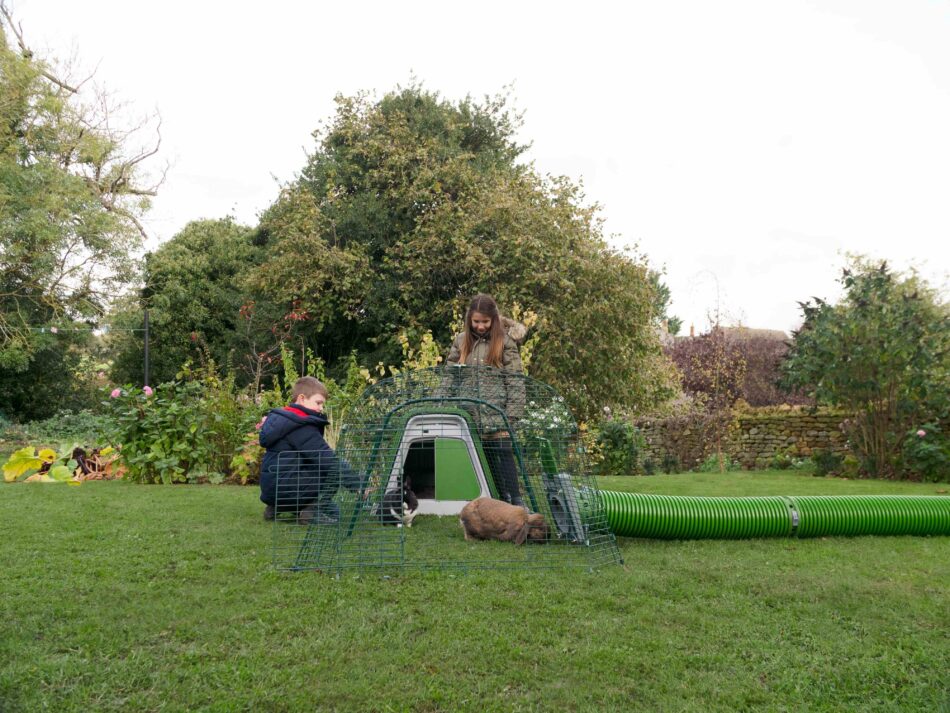
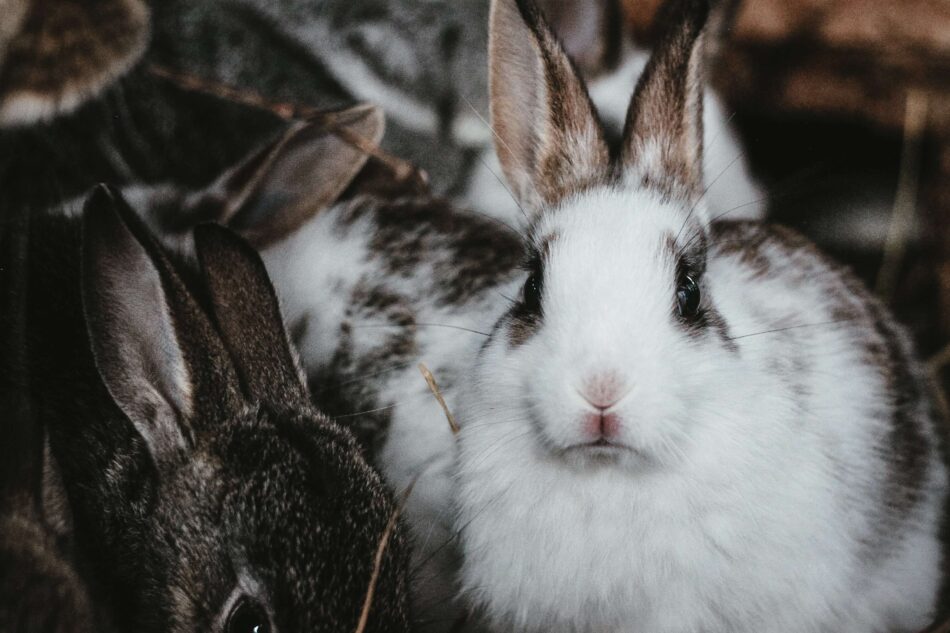
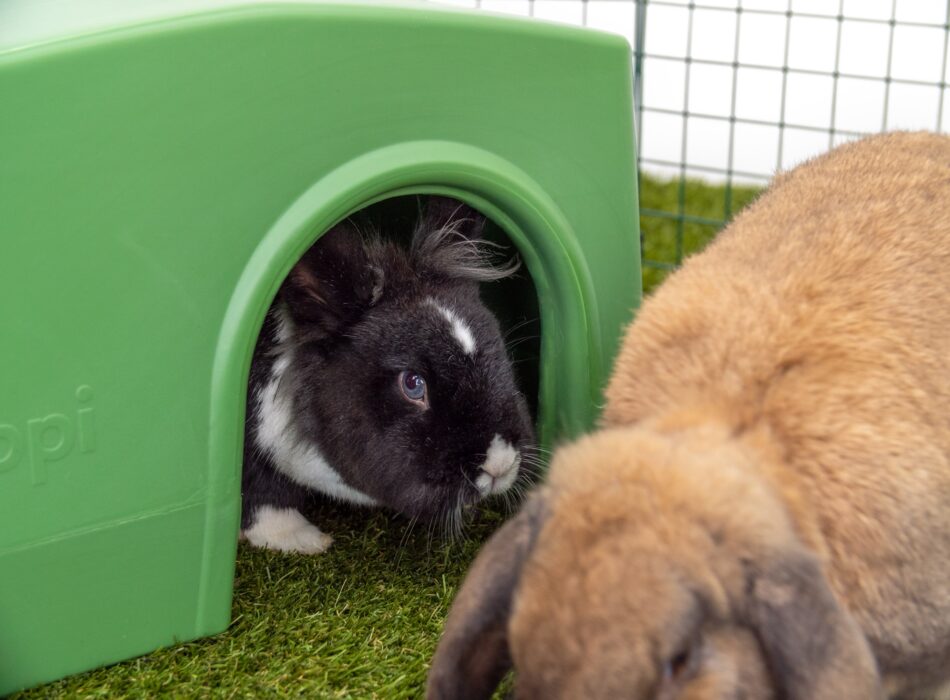
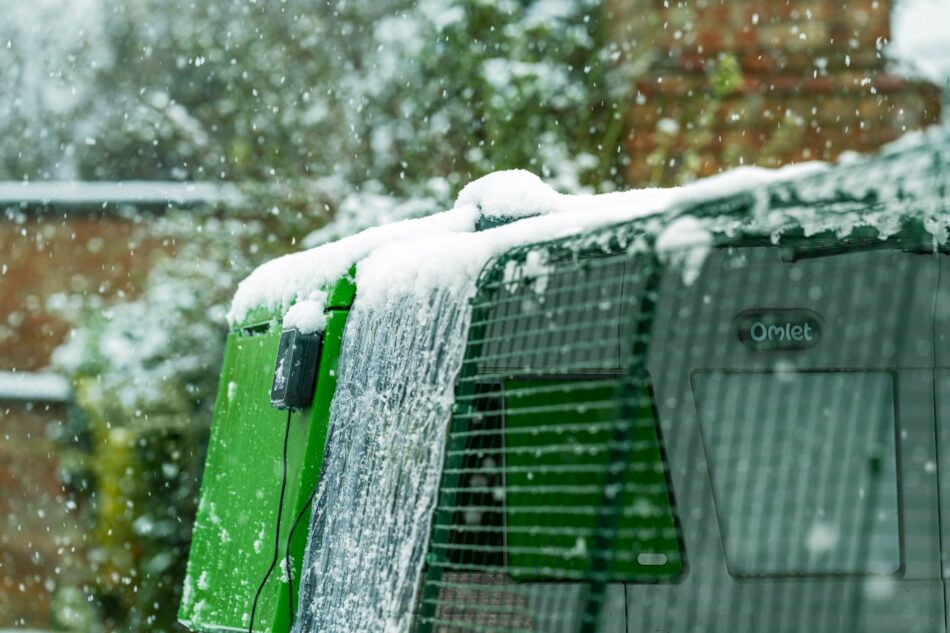
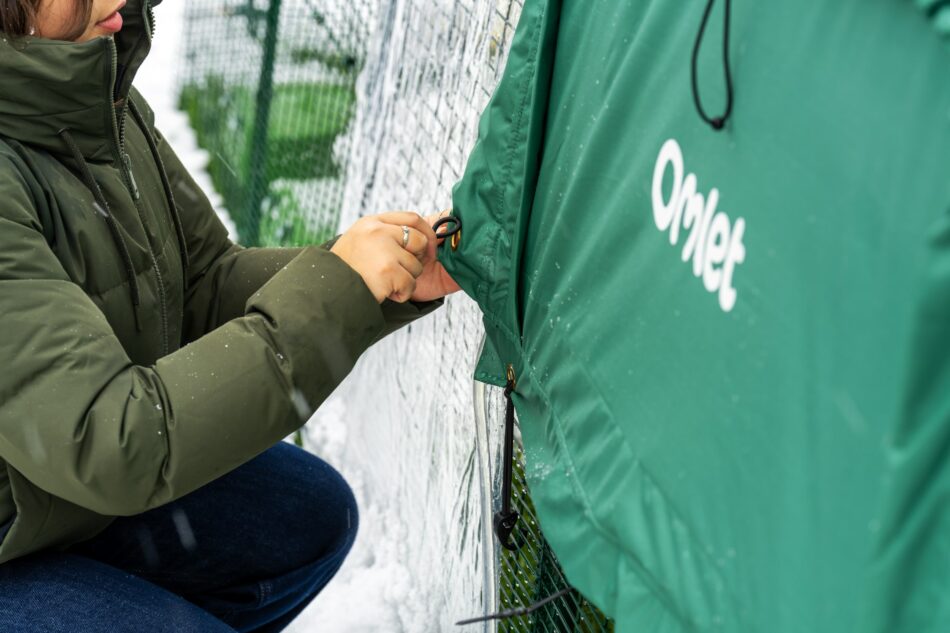
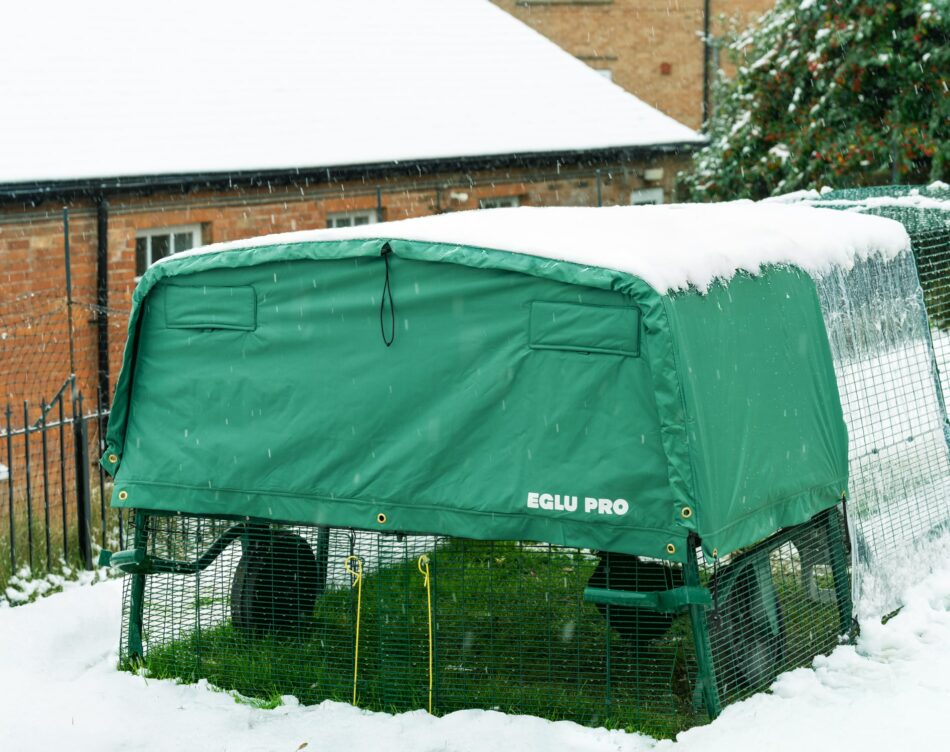
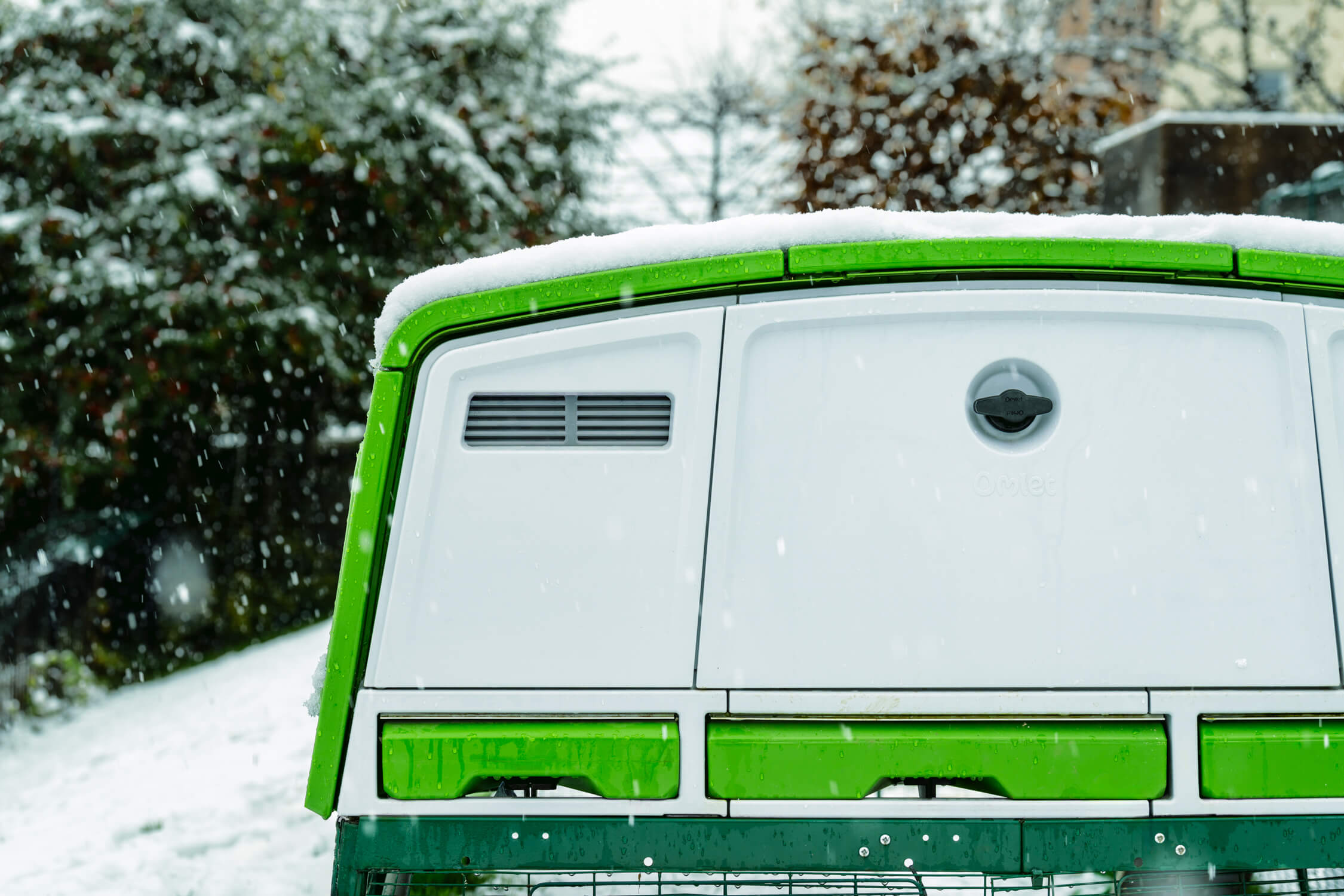
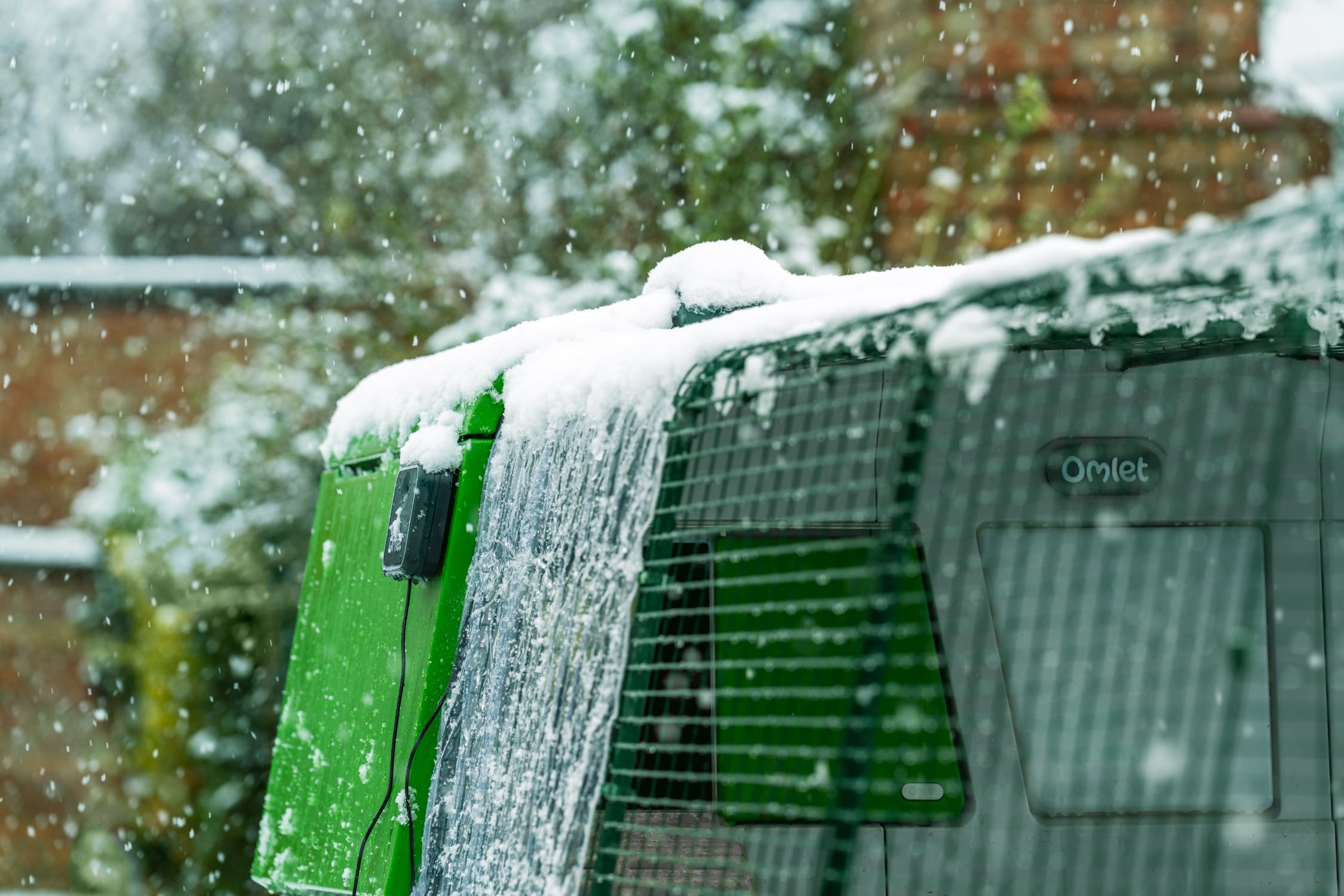

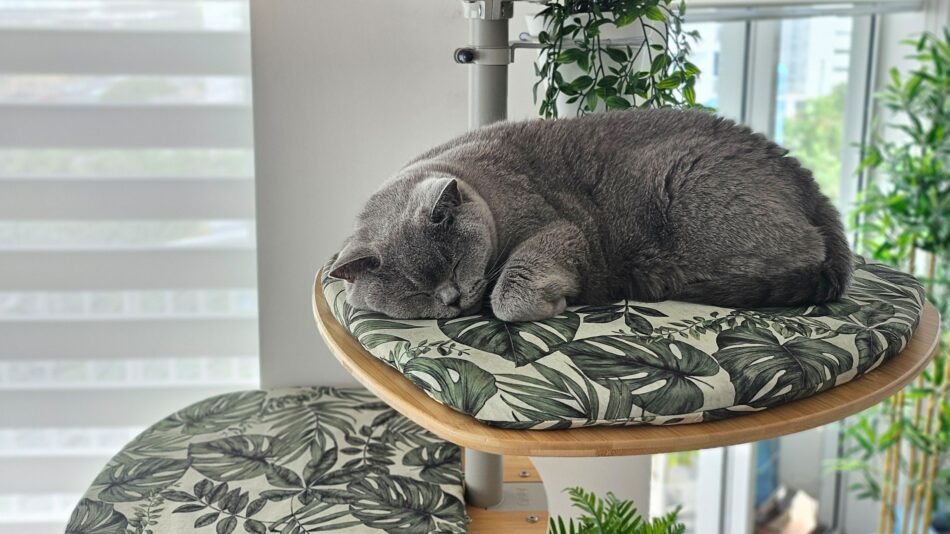

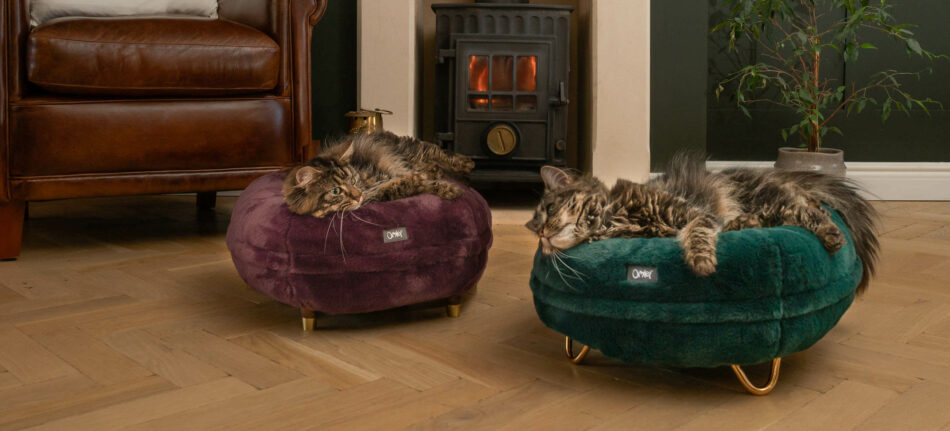

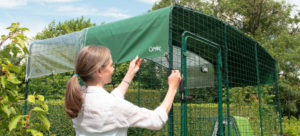
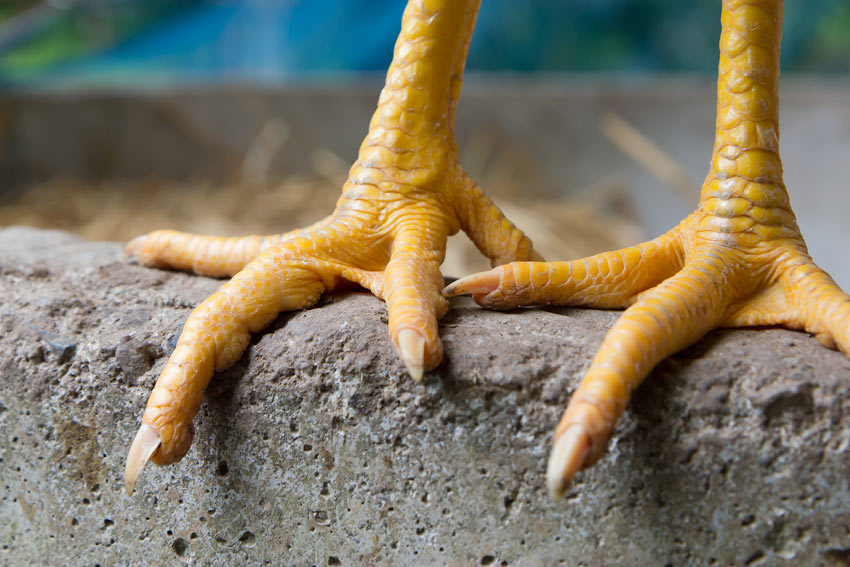 Watching chickens scratch at the frozen ground or strut through the snow, you might wonder how they manage to keep their feet and legs warm. After all, this is one part of their body with no feathers to keep it cosy (unless you happen to have a feathery-legged breed such as the Cochin, Brahma or Silkie).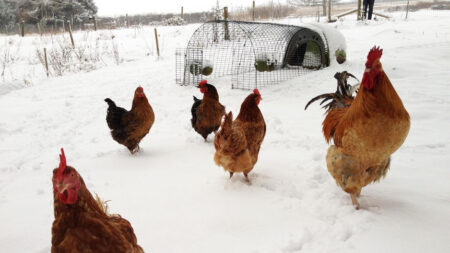
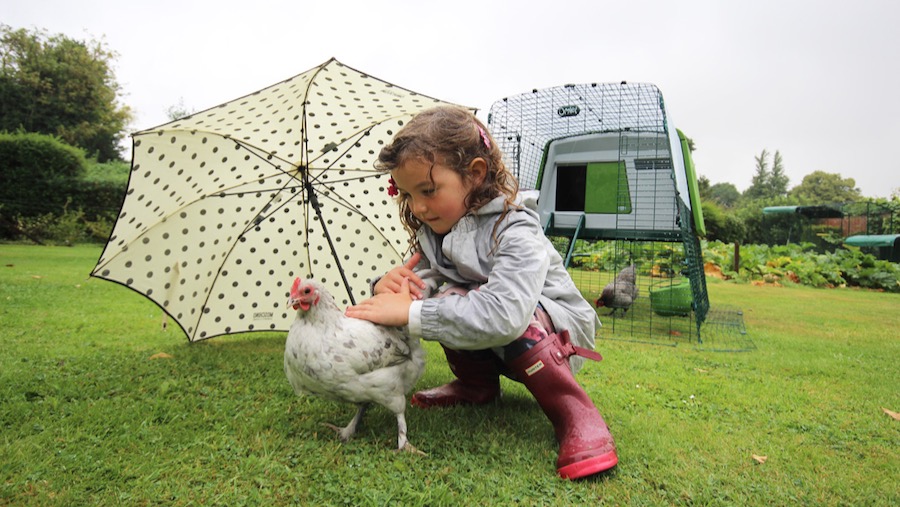
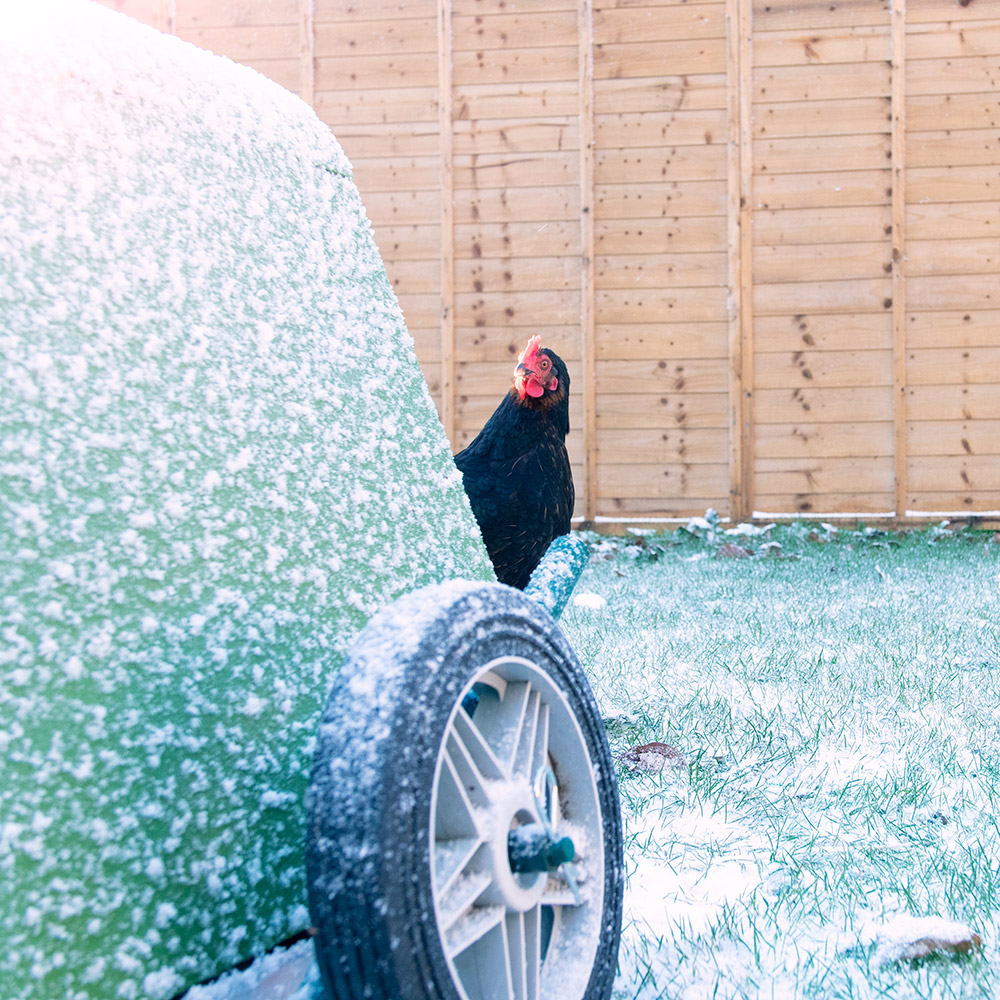

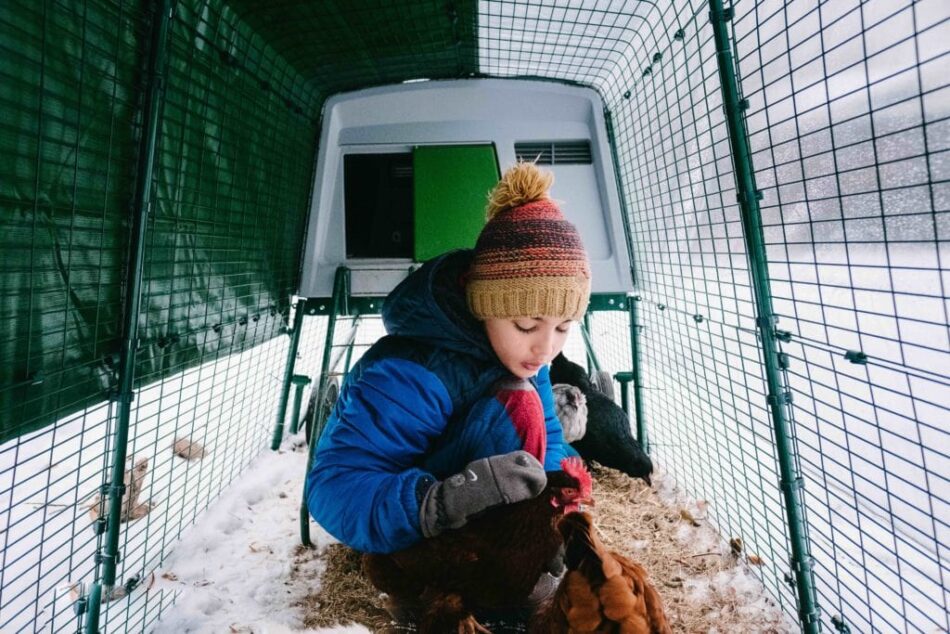
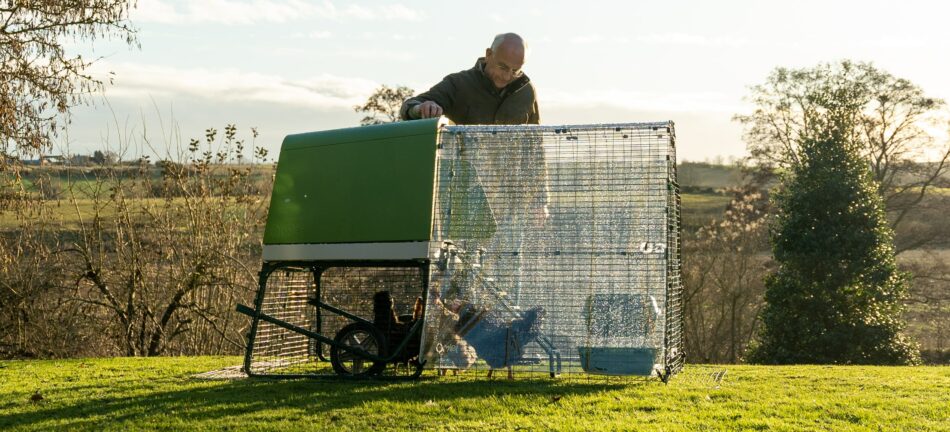
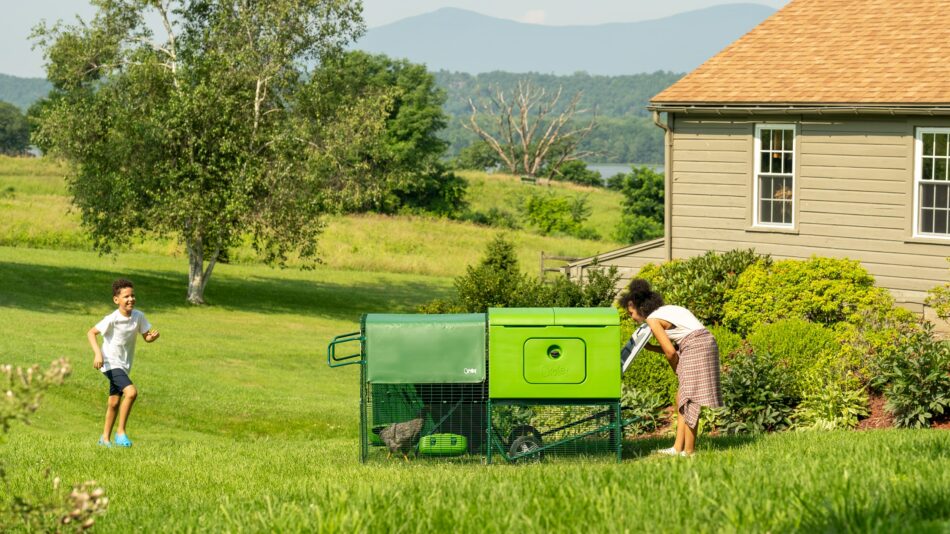
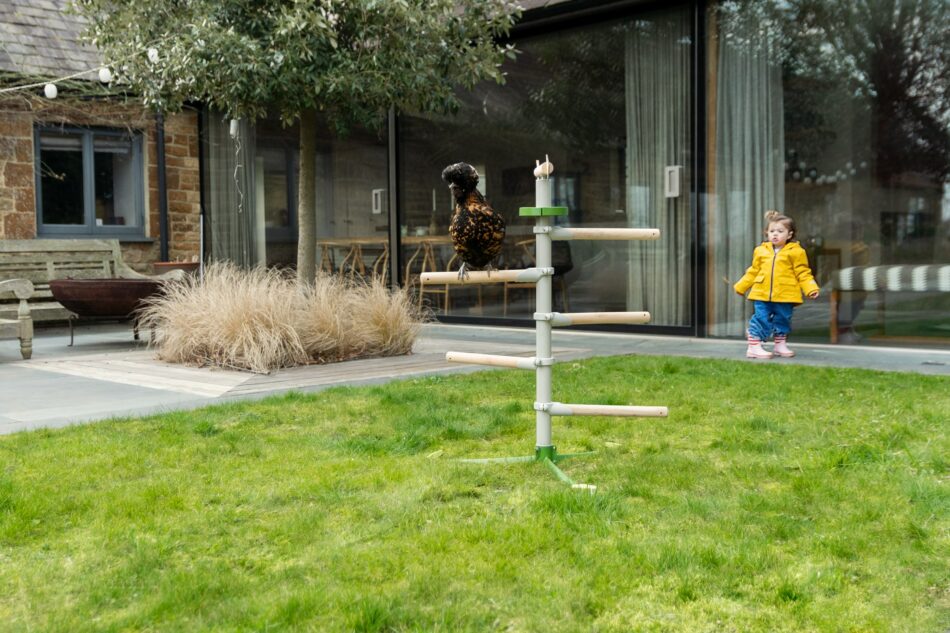
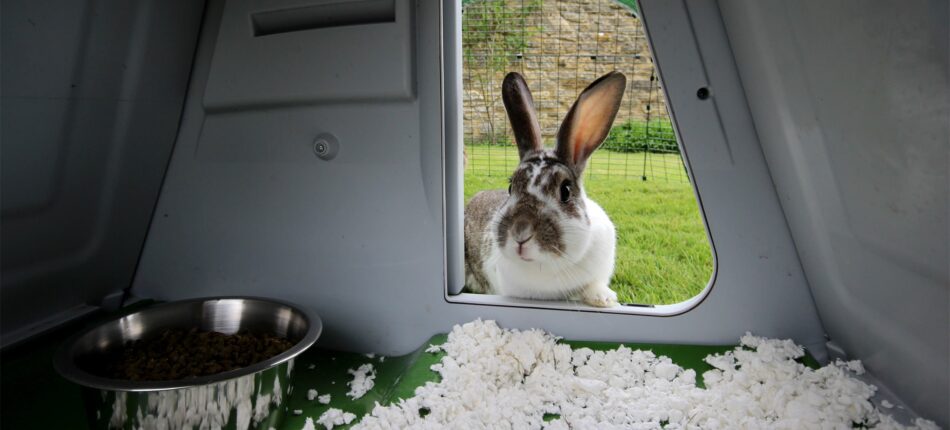
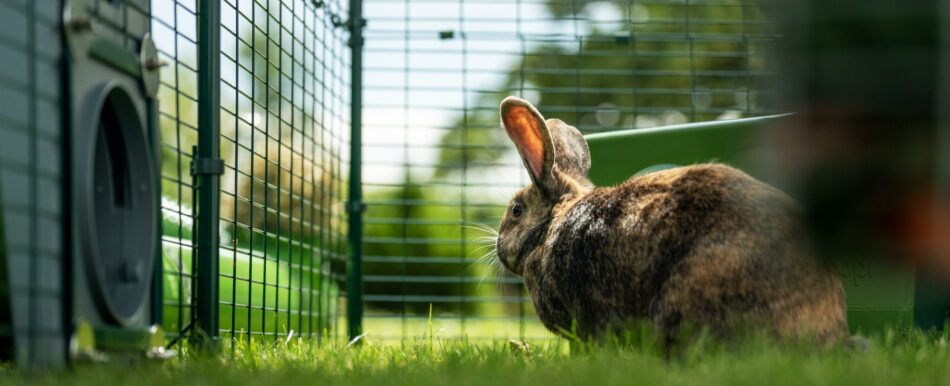
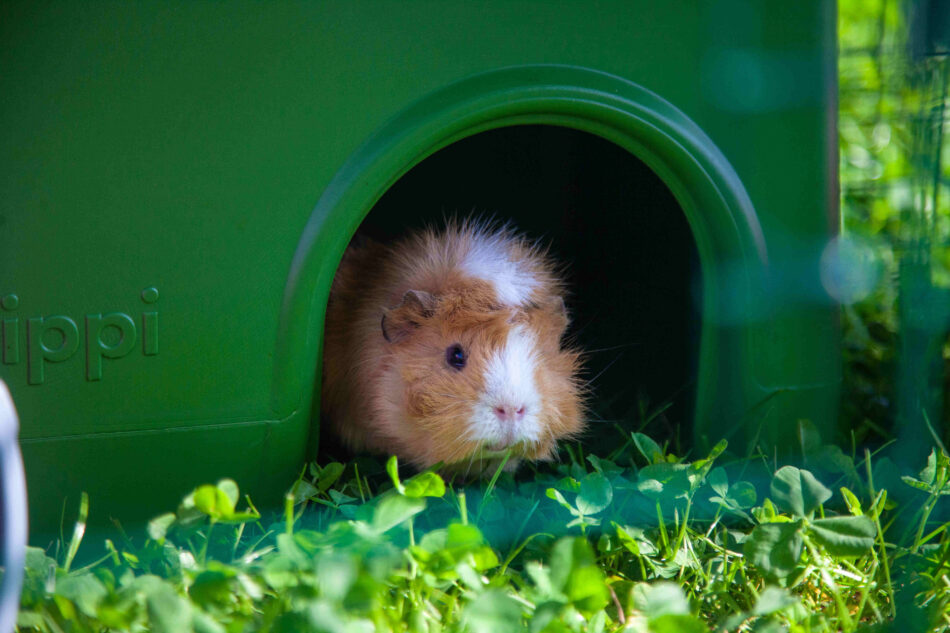
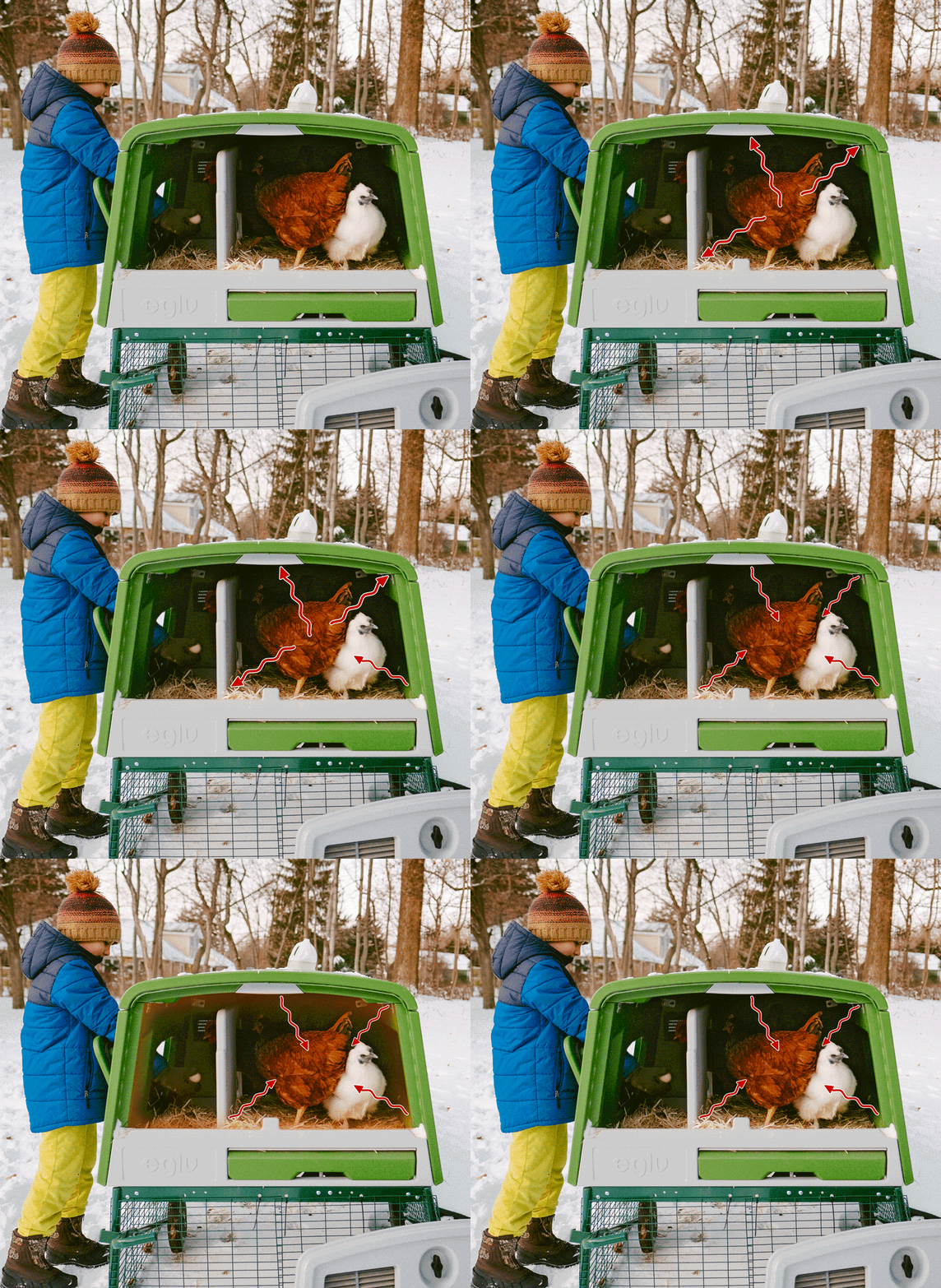 Insulation
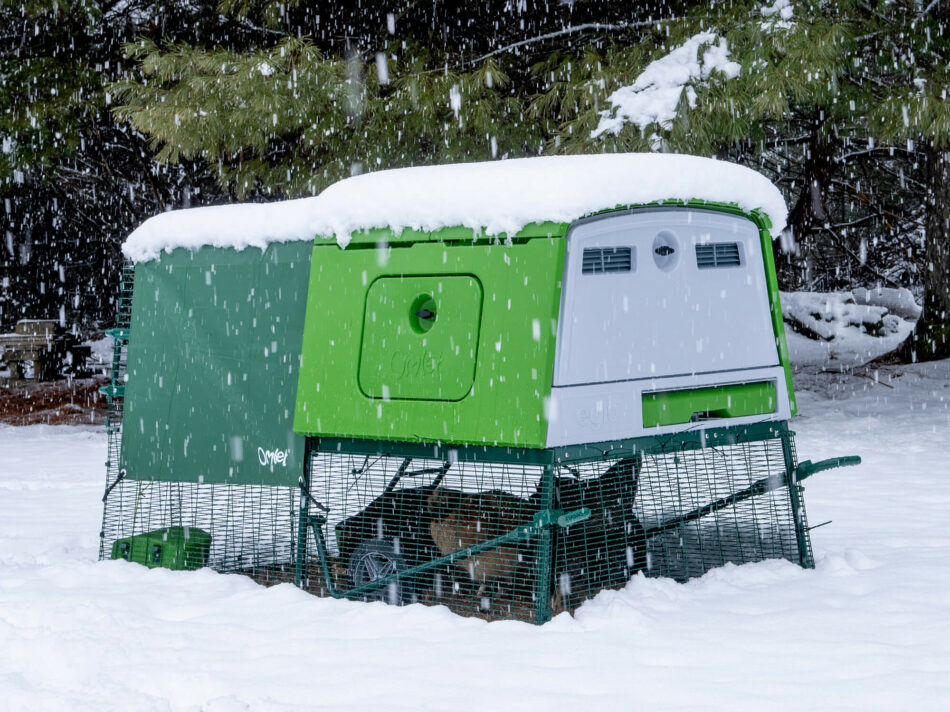
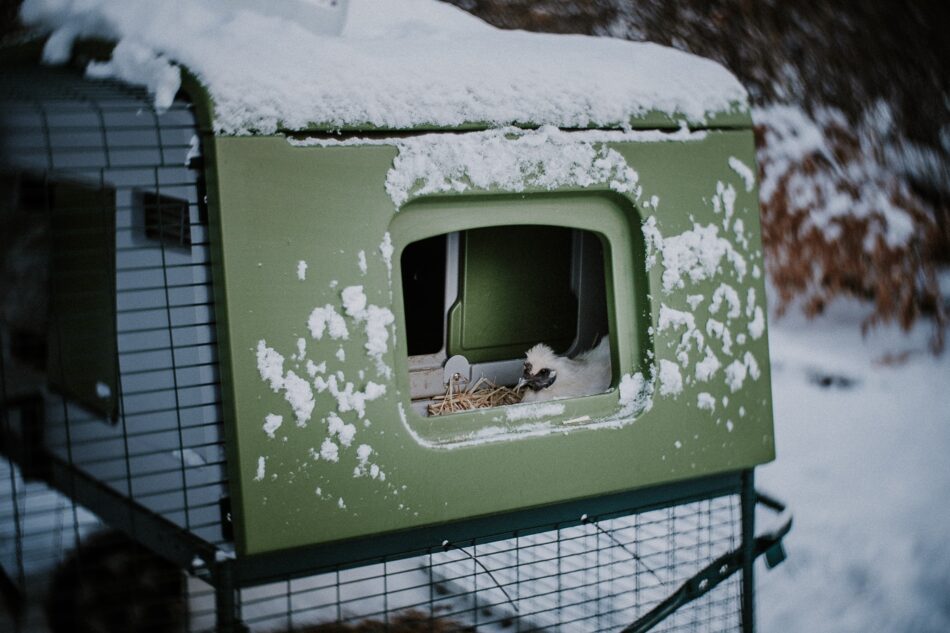

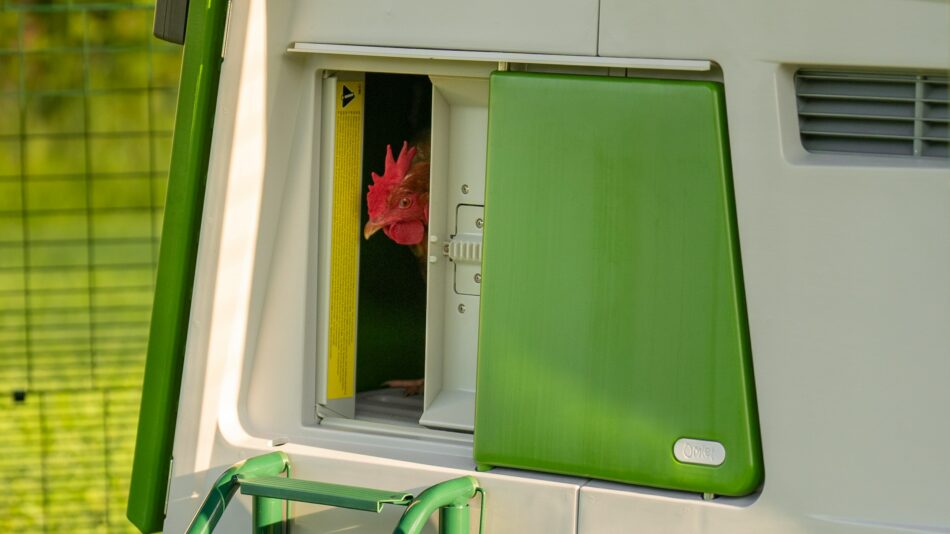

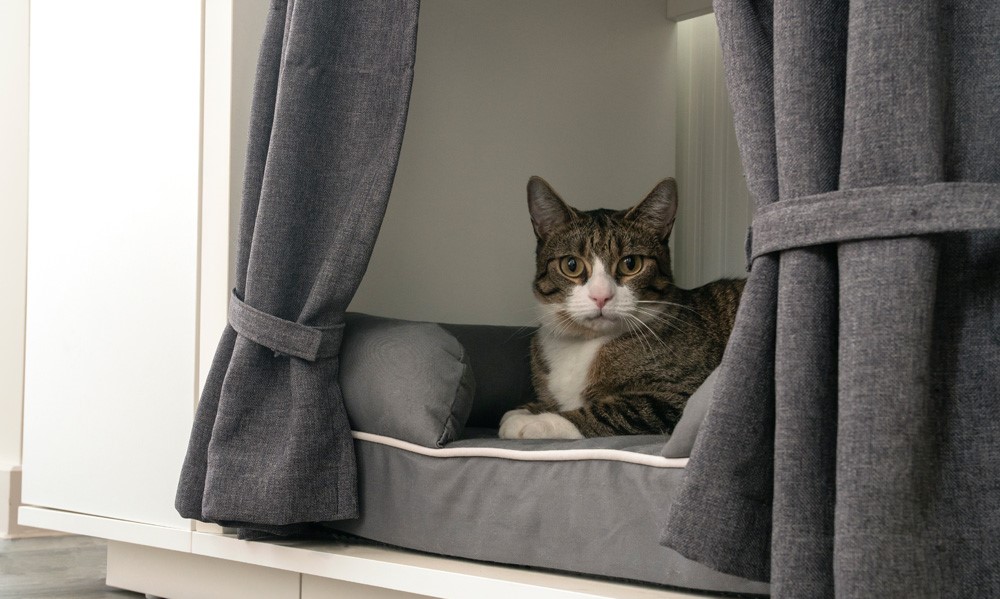
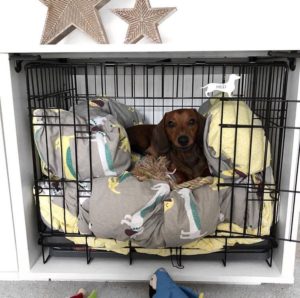
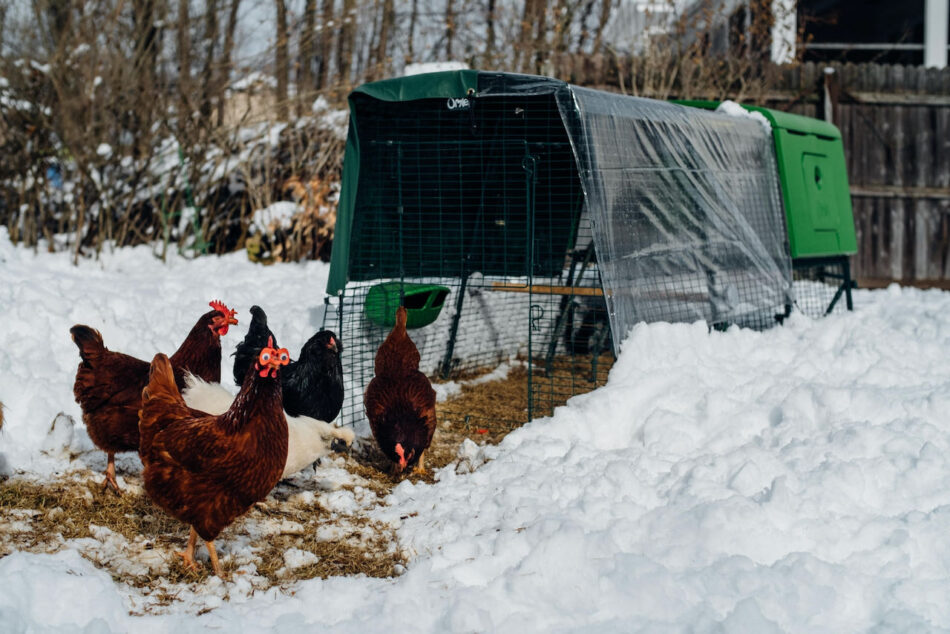
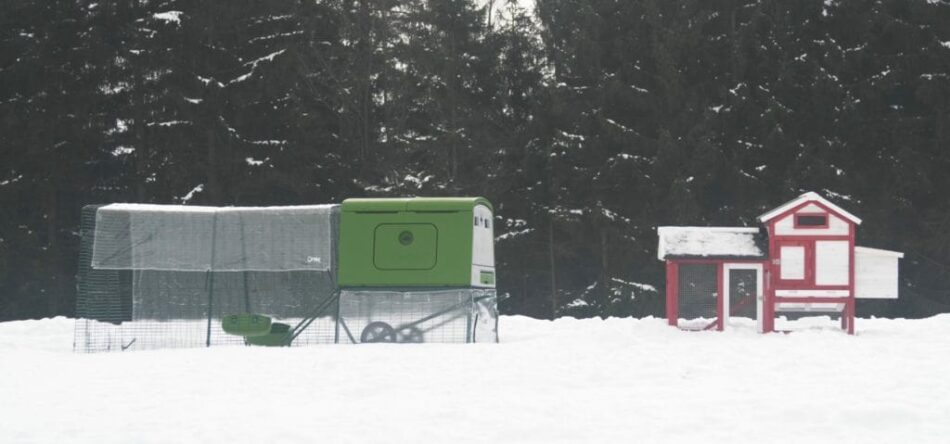
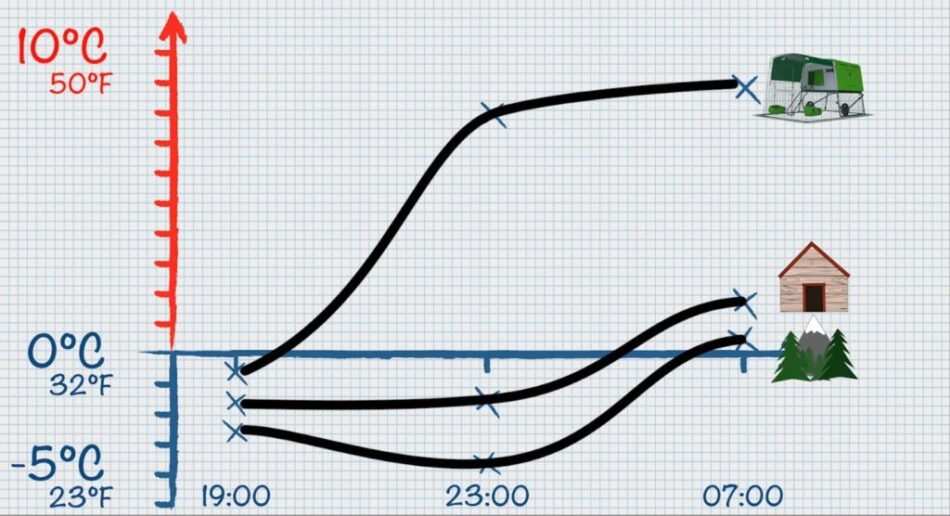
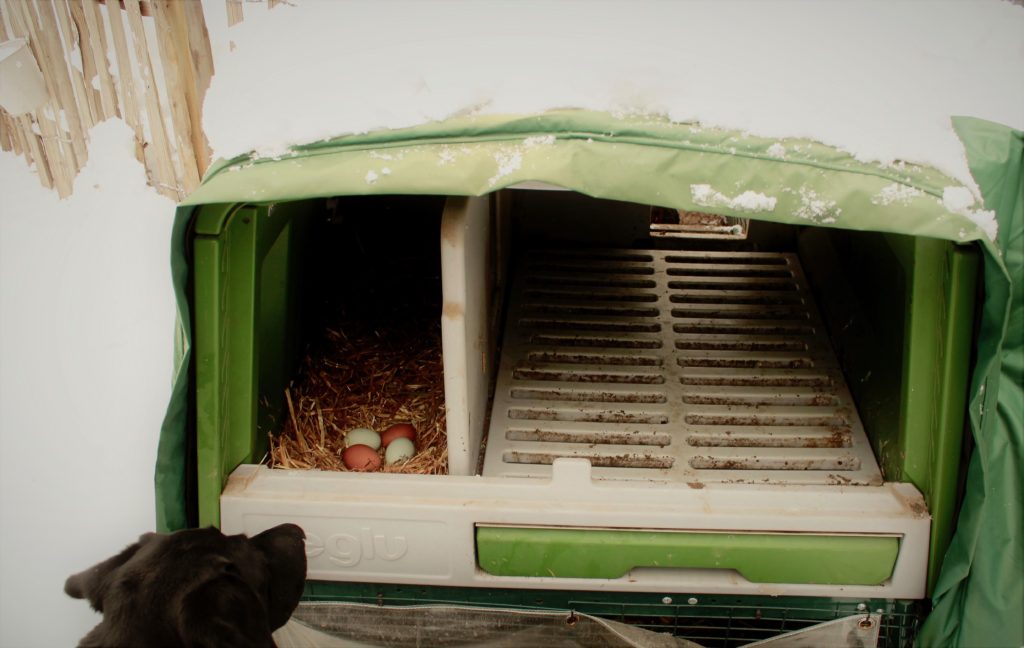
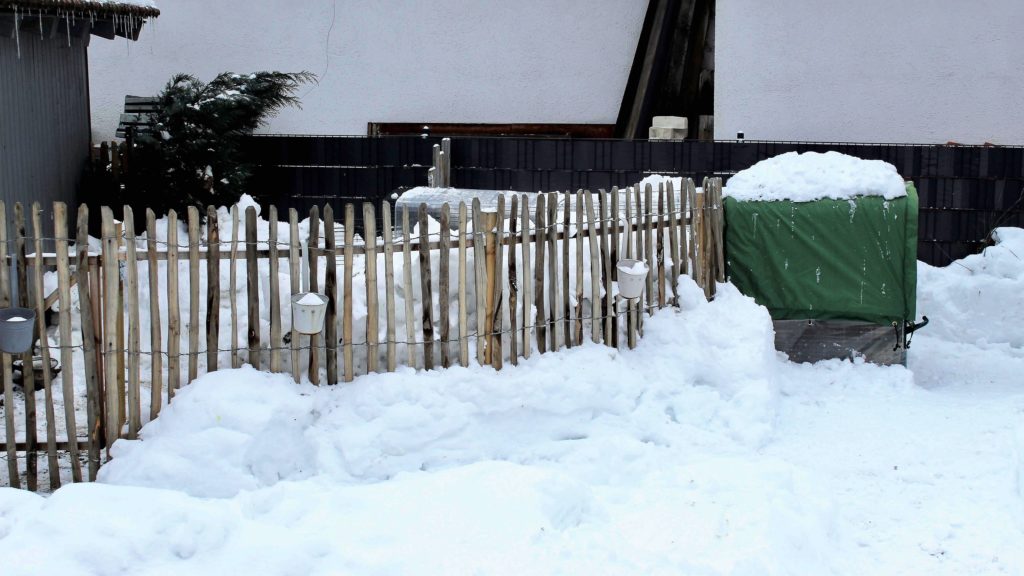
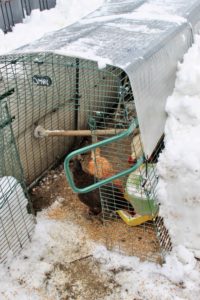
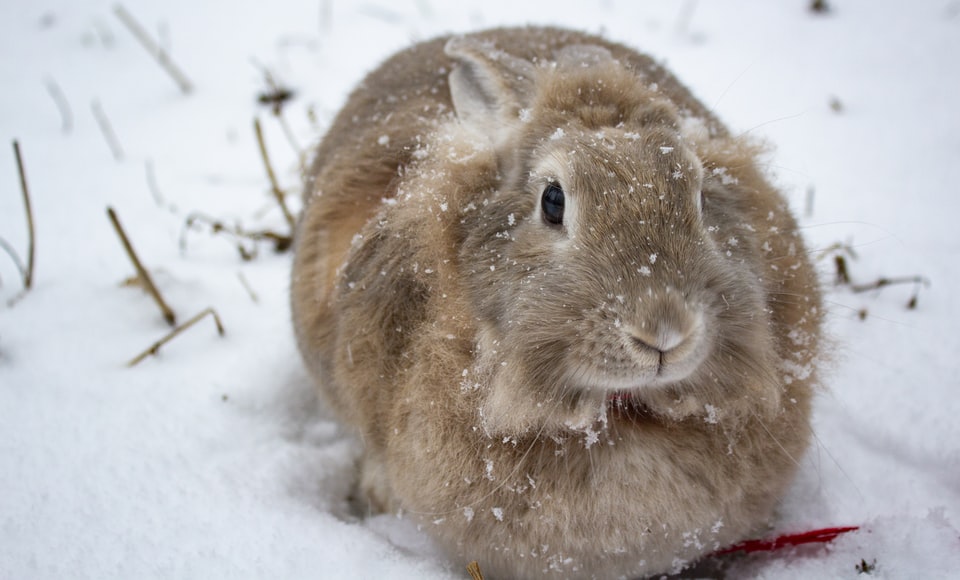 When the temperatures drops, most rabbit owners know the importance of checking that their pet’s hutch is winter ready.
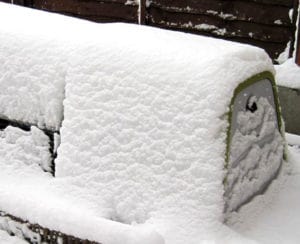 If your rabbits’ hutch is not attached to a run, the