The Eglu Classic Chicken Coop is an easy to move starter chicken house suitable for 2-4 birds.
Unless you know exactly when your hens were born, it is difficult to determine their exact age. We can’t simply ask them how old they are, so we have to make educated guesses based on their looks and behaviour.
Like most animals, a chicken’s looks and behaviour gradually change as they age. It is the visible evidence of these life stages that helps us determine a hen’s age. Young birds are the easiest ones to identify, as chicks do not have a complete set of adult feathers, beginning life with the short-lived fluffy yellow coating called down. They wear this attractive yellow coat for the first week or so of their lives.
After the first couple of weeks, chicks gradually moult their down and small feathers begin to grow to replace it. A baby chicken can be considered a chick until it sheds all its down, which usually takes around 12 weeks.
So, if a chicken still has some down, chances are it is 12 weeks old or less, although some breeds may take a while longer to shed all their baby fluff. But, generally, the more down, the younger the bird.
From chick to pullet
Once a chick has moulted and lost its down, it enters the transitional period between chickhood and adulthood, the chicken equivalent of teenage years. Hens over the age of 12 weeks are in this phase, and are known as pullets. This period of their lives usually lasts until 20 weeks old, though it can be longer. The name ‘pullet’, though, is generally used for any hen under one year.
Pullets are considered adults when they lay their first eggs, which occurs somewhere between 18 and 25 weeks. Male chickens – cockerels, or roosters – reach adulthood when they start to crow and show an interest in the hens, usually by chasing them. This occurs at around five months old, although some breeds are later developers.
At this point in a chicken’s life, when it has finally become an adult bird, it is hard to pinpoint exactly how old they are. If your hens are not laying eggs yet but have all their adult plumage, they are most likely somewhere between 12 and 20 weeks old. Young hens of this age will tend to have smaller combs than fully adult birds.
From pullet to adult hen
If you are keeping multiple hens, it can be hard to tell if an individual bird has started laying or not. Pullets will have small, dry and pale vents in comparison to hens, and this can be used as a way of telling whether or not they are laying.
During this post-20 week period, both the pullets’ and cockerels’ combs and wattles will gradually become brighter and more pronounced. Birds with less vibrant combs and wattles are most likely to be aged around 12-15 weeks. It is during this prime egg-laying stage of a chicken’s life that their combs and wattles will be at their most vibrant – as a hen ages, it slowly loses the red colour.
Hens increase their body mass as they mature, and most have reached maximum plumes at nine months old.
Signs of an adult chicken
Once your pullet has laid its first egg, and your cockerel has started crowing and harassing the hens, they have reached adulthood. Despite the fact that they are considered adults at this point in their lives, they are still growing (albeit slower) and will reach their final size and weight at around one year.
At this age, hens will usually be laying one egg per day, and the cocks will spend a lot of time chasing the hens. At the age of 18 to 20 weeks, the chickens will have their first feather moult.
Guessing the age of a fully grown chicken that has had its first moult is more challenging. However, there are some features that help us determine their age with reasonable accuracy.
A young cock will have short spurs, a little under 1cm in length. By the time your rooster is two years old, their spurs will have grown and may reach lengths of 2.5cm-3cm.
Hens that lay an average of five to six eggs per week are probably in the first two years of their life
For the first two years of their adult life, both hens and cocks will be in their prime. This manifests in vibrant feather colours, smoother legs than older birds and colourful combs and wattles.
Older hens and roosters
At around the second year of their lives, chickens will enter the second half of their adult lives. It is usual at this time for hens to stop laying daily, and cockerels will start showing less interest in the hens.
During this time, a chicken’s legs will start to get rougher and more scaly, and their combs, wattles and feathers will become less vibrant.
However, although past their prime, at this point in their lives, a chicken will still have around between two and five years left in them, depending on the breed. As they get older, hens will only lay occasionally, and the eggs may be larger than the ones they laid as young birds. However, some breeds continue laying into their fourth year, and some can live up to 10 years or more.
It’s frustrating when a hen decides to ignore the comfy nesting boxes and lay eggs on the floor of the coop or run instead. Chickens love routine, and once they get into the habit of laying eggs on the ground, it can be hard to change their routine.
The main disadvantage to laying an egg on the ground is that it can be damaged. It can also be pecked, as chickens tend to peck at anything they find. If hens acquire the taste for fresh eggs, they tend to peck at every egg they can find, which is disastrous.
Luckily, there are a few ways of persuading a hen that nesting boxes are the best place to lay eggs.
1. Make sure you have enough nest boxes
You will need space for all the hens to lay, which generally means one box for every four hens. Note: if there are too many nest boxes, some of them will be ‘vacant’, and one of the hens might decide to move in permanently, using it as her sleeping box, and it will soon become fouled with droppings.
2. Make the nest boxes clean and comfy
The nest box should have lots of soft bedding, changed regularly to make sure it remains unsoiled and free of red mites. You also need to collect the eggs regularly, as a hen faced with a pile of eggs might not want to sit there and lay one of her own. A nesting box with just one egg or none is more appealing to a hen.
3. Provide enough roosting bar space
This might not seem linked to nest boxes and eggs, but it’s actually vital to the process. Chickens need space to perch when roosting. If there isn’t enough of it, some hens will be forced to look for space elsewhere, and that means they’ll occupy a nesting box. Being stubborn creatures of habit, once they’re installed, it will be hard to evict them.
4. Tempt the hens in with an egg
Young hens might not know instinctively where to lay their eggs. If you place a ceramic or rubber egg in the nesting box, it will give them a visual clue, and once they’ve laid their first egg or two in the nest box, the habit will be ingrained.
5. Keep hens in the coop first thing in the morning
Most hens lay their eggs early in the morning, so confining them to the coop until the sun has been up for a bit will prevent them from wandering away and laying eggs in inappropriate places.
6. Make it harder for the hen to lay in the wrong place
As creatures of habit, hens tend to lay in the same ‘wrong’ spot each time. If this is on the ground, you can put a rock there, or some sticks or plastic bottles.
7. Move the hen before she lays
You will start to notice when a hen is ready to lay on the ground. She will stop her usual foraging and clucking and snuggle down. Move her to the nesting box when she does this, and she will soon – in theory – get the message and go to the box when she needs to lay.
8. Stop hens from sleeping in the nesting boxes
A hen who sleeps in a nest box will mess it up overnight and not want to lay her eggs in the same place. Shoo any hens from the boxes in the evening as they are settling down to discourage the nest-sleeping habit. If the problem is more to do with the roosting bars being hard to access, address that issue instead.
9. Make sure the hens feel safe in the box
If the nesting box is too close to the ground, or if bright light leaks in, or if noisy pets or children play next to it at the crucial laying time, hens will be discouraged from laying eggs there. Make the habitat as hen-friendly as possible. Raising the boxes a few inches from the ground is a good start (but not so high that young birds can’t access the box).
10. Make sure your hens can easily access the nesting box
This may sound obvious, but it is sometimes overlooked. A poorly designed coop might make it difficult for hens to access the boxes and lay eggs in the nest, in which case they will take the path of least resistance and lay elsewhere. The nest boxes may be too low or too high, making it difficult for smaller chickens to access, or the roosting bars might block easy access to the boxes.
You can bypass all these issues by installing your hens in a well-designed coop such as the Eglu. All hens prefer to lay in a quiet, dark, comfy spot, so a nesting box will nearly always be their first choice. It’s a simple case of ensuring they have the space and easy access to a clean, appealing egg-laying space.
Chickens are not only great companions, but also a great way of being more resourceful, providing you with a frequent supply of fresh eggs. However, you could have a problem on your hands if you begin to notice that a few eggs are going missing. Sometimes chickens develop a bad habit of eating their own eggs, which although is not detrimental to their health, is a sure sign that something is not right.
Your Chickens are Bored
Your poor chickens may simply be suffering from boredom! Boredom in chickens can occur when they either don’t have enough space to roam, or they’re lacking facilities to keep them entertained.
For a happy hen, they need a bare minimum of 1 square metre each in their run, however 2 square metres plus (per hen) is always preferable. Chicken toys are also a fantastic way to keep your chickens entertained. How about trying out theOmlet Pendant Peck Toy, an interactive and engaging feed toy that not only improves flock behaviour but will provide your hens with the mental stimulation they desire.
Dehydration
Chickens that eat their eggs may be dehydrated. Since eggs contain a large amount of water, your chickens may be resorting to eating them simply to keep themselves hydrated.
To stop egg eating behaviour, make sure that your hens are supplied with a clean water bowl/feeder at all times. During the warmer summer months, chickens need a lot more of it, so add some ice to their bowl or feeder to make sure they stay on top of hydration.
Vitamin Deficiency
A vitamin deficiency can be another reason as to why your hens have turned to egg eating. Your chicken’s diet is fundamental to their wellbeing, and a poor one could be depriving them of their nutritional requirements. Along with eating eggs, broken eggs can be another indication that your chicken is vitamin deficient, more specifically suffering with a calcium deficiency.
It’s important to provide your chickens with a balanced diet of enough protein, carbohydrates, vitamins, and minerals, so although they naturally forage, you should supply your chickens with a good quality feed. For added calcium, it’s recommended to add grit, a ground hard substance, to your chicken’s diet, which aids with digestion.
Inadequate Nesting Facilities
Your nesting box needs to be a secure and safe space for your hens. Egg eating can occur when your hens are uncomfortable with the nesting box, most commonly due to the bedding itself or exposing your chickens to too much light.
First of all, make sure that their nesting area has adequate bedding and is made of a comfortable nesting material. There are a number of choices of bedding to choose for your hens so if you notice that they are not getting on with what you’re currently using, try changing their bedding to see what works best for them. You’ll also want to keep on top of cleaning their bedding by replacing it weekly, also removing any droppings.The Omlet Eglu chicken coops make for easy cleaning, with integrated and private nesting boxes, whilst offering plenty of space that your hens will love.
An Anxious or Stressed Chicken
Chickens found to be eating eggs can also be suffering from stress or anxiety, which your hens can be experiencing for a number of reasons. Stress-inducing scenarios can be related to either handling, a new environment, the introduction of new chickens, extreme heat, or regular visits from predators.
Having an anxious hen isn’t pleasant for either you or them but fear not, as there are steps you can take to help minimise stress to help your egg eaters. Some stressful situations are easier to tackle than others, such as introducing new chickens or handling if these are two stressors. Take a look at Omlet’s guide on how to correctly handle your chickens and guide onintroducing new chickens for some more help.
Still Struggling?
If you’ve tried all of the above, ruled out anything medical, and yet your flock remain stubborn with their egg eating habit, here’s what else you can do to try and tackle the problem:
Quickly Collecting Eggs
Quickly collecting eggs once they have been laid will give your chickens, or particular offender if it is just the one hen, less opportunity to eat the eggs. If possible, check the next box four times a day to start with. Hopefully after a few days, this will break the habit, and you can go back to collecting the eggs once a day.
Fake Eggs
Fake eggs can be made of wood, rubber, or ceramics and will leave your chicken pecking but will eventually become frustrated so that they’ll stop attempting to peck at real eggs.
Using Mustard
Create a small hole in your egg, empty the contents and fill with mustard. Mustard is a flavour that (most!) hens can’t stand so after a few attempts, they’ll likely stop attempting to eat eggs.
If you do have an egg eater on your hands, don’t panic! It may seem a bit odd, or the behaviour might confuse you but with a few tips you can get the habit well under control. Hopefully next time you go to collect eggs, you’ll have happy laying hens, with your eggs still intact!
The metal chicken runs are designed to be used outdoors for years to come. However, we recommend that you check the run regularly for signs of corrosion, especially if you live somewhere with extreme weather conditions or close to the sea. Corrosion will occur if the coating has been scratched or scraped for example. If you do see some, remove any loose rust and touch up with a weather resistant paint.
Are you a long term Eglu or Walk in Run owner? Omlet products are known to be extremely long lasting, but we do recommend checking over your coop and run every year for signs of wear and tear, and to remember the little maintenance needed to keep your coop in tip top condition and your pet happy and healthy. You may have also missed some of the new products we have developed over the years to make the coop and runs even better. Take a look at ways you can upgrade and improve your Eglu below!
Run Clips
When you carry out your regular deep clean, make sure you have a quick walk around the run and check the security and stability of the run panels. In time, the run clips can age and become weaker. If you notice that run clips are cracking when you open them or move the coop and run, or that there are some clips falling to the ground, you should consider refreshing all the run clips on your coop.
We have now made it super quick and easy for you to find the right pack of run clips for your Eglu or Walk in Run.
New Ladder
If you purchased your Eglu before summer 2019, you may not have benefited from the new Ladder Grips we have designed to resolve the problem of some chickens disliking the metal coop ladder, or being too small for the steps. The ladder grips replace the black friction strips, clipping on securely and easily to provide a wider platform for chicks to climb up on.
We’re sure you haven’t missed the Automatic Chicken Coop door that can be attached straight onto your Eglu Cube or Walk In Run, but have you seen that you can also attach a coop light to guide your chickens in at night? The light is powered by the control panel of the Autodoor, and will automatically come on 5 minutes before the door closes. As soon as the door has closed for the night, the light turns off.
Run Covers
In high winds and torrential rain, old run covers can take a beating. If you have had your run covers for some time and they are looking a bit worse for wear, it might be a good idea to invest in a new set of covers to ensure your chickens continue to be fully protected from the elements.
Discover our wide range of run covers for all Eglus here.
New hentertainment
We have also introduced new feeders and treat dispensing toys in the last few years, which your chickens are sure to love.
The Caddi Treat Holder is ideal for larger treats, such as fat balls or vegetables from your garden, and hangs in your run to keep food off the ground and prevent mess on the run floor. The Peck Toys are a rewarding, slow release solution for treat-dispensing which your chickens will be entertained by all day. The Pendant hangs from the run, while the Poppy is put into the ground – perfect if your chickens are fully free ranging.
We’re here to help
If you are unsure about the condition of your Eglu or your run, please contact our friendly and knowledgeable Customer Service team. They can give you advice on how to maintain your product, making sure it’s in top condition for many years to come!
Chickens sometimes lay eggs that look nothing like a standard supermarket egg. Some are huge, some are tiny, some are ball-shaped, some are pointy, and some are soft-shelled. There are various reasons for these oddities.
Each hen will have her own ‘quirks’ in terms of egg size and colour. Although most chicken breeds lay light brown eggs, some have eggs with pigmented shells. A hen will produce eggs of the same colour throughout her laying years. The palette ranges from deep browns to light blues and pastel greens, with speckling adding another dimension of prettiness.
Odd shapes and sizes are something quite different, though. They are quirks rather than breed-specific traits.
Why are chicken eggs sometimes bigger or smaller than usual?
A huge egg sometimes contains two yolks. In these cases, the hen has doubled up on her usual daily production and has had to produce a giant egg to accommodate the extra mass. These eggs usually have smaller-than-usual yolks, but they look very eye-catching in the poaching or frying pan!
Young birds often produce small eggs, and they will begin laying regular eggs very quickly. Some smaller bantam breeds produce small eggs all the time, of course.
Why are chicken eggs sometimes misshapen?
An oddly-shaped egg can be produced for various reasons. It often takes young hens an egg or two before they settle into their regular pattern. Stress in the chicken coop can lead to misshapen eggs too. This is usually due to a hen having the urge to lay but finding her space in the laying box occupied by another bird.
Misshapen eggs can be elongated, or they may have a thin, pointy end. Sometimes they are rough-looking, with craggy rather than smooth surfaces, or with thicker bands of shell running across their middles. In all these cases, the egg inside is unaffected and is perfectly safe to eat.
A ball-shaped egg is usually a sign of slight calcium deficiency. The round shape requires less calcium than a normal oval egg.
Are oddly-shaped chicken eggs a sign of illness?
Infectious bronchitis can lead to misshapen eggs. An infected hen will stop producing eggs for a few days or will only lay intermittently. The eggs she lays will have thin, wrinkled or rough-shelled eggs, and the white of the egg will be watery. It is also common for the affected eggs to have lighter-coloured shells than usual. The condition is rare, and chickens can be vaccinated against it.
Laryngotracheitis is another illness linked to egg abnormalities, and this, too, can be prevented through vaccination. Any ailment can cause a hen to become stressed, so, in theory, any illness can result in misshapen eggs.
Why do chickens lay freckled eggs?
Some breeds always lay speckled eggs. However, if a hen that typically produces plain eggs lays speckled ones, there are various possible causes. She may have been shocked or stressed in some way while the egg was forming, or she may have developed a quirk in the pigment-producing part of her egg-laying system.
Freckling is often the result of excess calcium production, sometimes associated with the ‘end of season’ laying at the beginning of winter. On some eggs, there is a marbled pattern rather than an area of freckles.
The speckling is usually smooth, but it sometimes manifests as raised blotches of excess calcium. These can be spots or wormlike strands, and they often occur as single spots on an otherwise standard egg. This may be linked to dehydration, so make sure your hens have enough water, and that a timid hen isn’t being bullied away from it all the time.
Why do chicken eggshells sometimes have a white ring?
Viewed from the side, an eggshell with this peculiar oddity has a thick white ring, looking uncannily like an x-ray of the egg that lies beneath. It is usually caused by an interruption in the formation of the eggshell, caused by stress or by a second egg entering the internal production line.
The second egg produced in this process will usually have a flattened side, as it has bumped into the first egg during the early stages of shell formation and has been ‘squashed’ into an odd, flattened shape.
Why are chicken eggs sometimes wrinkled?
A wrinkly eggshell can be a sign of stress or illness, but is usually a hereditary condition. Some older hens begin to lay wrinkly eggs too. The wrinkles are often deep grooves, giving a very misshapen egg and making this perhaps the weirdest of all the egg oddities.
The wrinkles sometimes look like a series of cracks in the shell. This results from an egg cracking during calcium formation, and the cracks are the chicken’s repairs, laying calcium over the cracks. Once again, the underlying cause is usually stress or illness, although sometimes it is simply the result of a second egg ‘crashing into’ the first due to an over-productive system.
Why do some chicken eggs have soft shells?
A soft shell is a sign of calcium deficiency or a lack of vitamin D. Low calcium can be prevented by making sure the hens have a high quality feed and don’t gorge on kitchen scraps (which may fill them up so much that they don’t bother eating the layers pellets). Low vitamin D can be prevented by sunlight – not always easy in the cloudier months of the year!
Other possible causes include heat stress, too much salt or too much spinach. When feeding chickens kitchen scraps, avoid giving them anything that is salted.
The extreme version of the soft-shelled egg is the egg with no shell at all. If a hen lays a shell-less egg, it should be cleaned up at once, as it will soon become rotten in the warm coop.
Weird eggs are usually one-offs, and they are nothing to worry about. If a hen lays an odd egg two days in a row, it is worth looking at possible underlying causes. Diet and stress are the chief culprits.
In terms of culinary uses, don’t worry. With the exception of soft-shelled and shell-less eggs, all these egg oddities are safe to eat.
Chickens are fascinating creatures, and their eyes, even more so. Here are some amazing facts about chickens’ eyes that you may not have heard before!
Chickens Can See More Colours Than Us
Chickens are tetrachromatic. They can see the colours we see in (red, yellow and blue), but whilst we have three types of cones in our retinas, chickens have four, which allows them to see in ultraviolet light. This gives chickens access to a much wider range of colours and shades than humans.
Chickens Have a Third Eyelid!
Believe it or not, chickens actually have a third eyelid, on each eye! The third eyelid, called the nictitating membrane, horizontally draws across the eye which helps clean, moisten, and further protect the eyes from dirt. The nictitating membrane is transparent in appearance which means that chickens still have the ability to see, even when the third eyelid is closed.
They Can Use Each Eye Independently
Chickens are able to use each of their eyes independently, with a 300 degree field of vision (humans only have 180!), meaning that both of their eyes can focus on different tasks at the same time. This is also known as monocular vision, which amazingly already begins even before a chick’s arrival. When the chick is still in its shell, it turns towards the right to absorb any light and the left side of the shell is covered by their body. When the chick then hatches, nearsightedness develops in their right eye, which will allow the chick to search for food, as the left simultaneously develops farsightedness. This is to help the chick look out for any potential predators. You will probably notice this from when chickens tilt their heads when a hawk flies over.
The Omlet Chicken Swing is the perfect toy for keeping chickens entertained!
Chickens Have Terrible Vision in The Dark
Night vision definitely isn’t their strong point! Having descended from dinosaurs all them millions of years ago, as opposed to being preyed on by them like other species, chickens had no need to learn how to run and hide in the dark. For this reason however, chickens today require protection at night because just like humans, they’re awake during the day and sleep during the night, and are highly susceptible to predators.
Chicks Have Amazing Eyesight From Birth
When chicks first hatch, they surprisingly have remarkable eyesight, in fact a lot better than humans. From the minute they hatch, chicks are able to detect small items such as grains of food and even have spatial awareness. A human baby however, lacks this ability and does not develop such skills until a few months down the line.
Chickens Rarely Move Their Eyeballs
Chicken eyes have a very limited range of motion and lack the ability to remain focused on an object whilst the rest of their body is moving. This is why you’ll often see chickens walking around, bobbing their heads, whilst facing onwards. It is not so much a case of chickens not being able to actually move their eyes at all, but rather their eyes cannot move quickly enough to process the image in front of them. Instead, chickens will tend to turn their heads when they want to gain better eyesight of something.
Their Eyes Have a Double Cone Structure
The retina of the eye is composed of rods and cones, the rods being to detect light-sensitive motion, and cones to see colour. As we found out earlier, chickens have more types of cones than us, hence why they are able to enter a fourth dimension of colour, which us humans can’t. A double cone retina structure means that a chicken’s eyes are more sensitive to movement. This is advantageous to chickens as it gives them a greater ability to detect motion, which is helpful when it comes to spotting a perceived threat.
Chicken Eyes Make Up 10% of Their Head Mass
That’s quite a lot, considering our eyes only make up for approximately 1% of our head mass! Although it may look humorous, there’s actually a good reason behind it. Having such large eyes helps chickens to see larger and clearer images as they are produced.
Chickens Can Sense Light Through Their Pineal Gland
Light reaches chickens through either their eyes, skulls, or skin, which activates the pineal gland in the brain. The pineal gland, also sometimes referred to as ‘the third eye’, is something else that makes chicken vision oh so interesting. A pineal gland helps chickens to sense daylight, or the lack of, even if they are unable to see with their eyes. This means that even a blind chicken is able to detect lighting or seasonal change!
They Have the Ability to Recognise up to One Hundred Different Faces
They say that elephants never forget but apparently chickens don’t either! Chickens are able to recognize up to one hundred faces, be it other chickens, humans or any other species. They can also amazingly decipher between their positive and negative encounters.
After a few interesting facts, we’re sure that you’ll now know a whole lot more about the amazing subject of chickens’ eyes, that’ll be bound to get you wondering just what’s really going on through the eyes of your chickens!
Moulting is the natural process where chickens shed their old feathers and grow a fresh set. It happens to every chicken, at every age, and while it can make your hens look a little rough around the edges, it’s a completely normal and healthy part of their annual cycle. During a moult, you’ll likely see a drop in egg production as your hens redirect their energy toward growing new feathers, but with the right support, they’ll come through it looking better than ever.
Moulting serves a real purpose beyond appearances. It gives your chickens a chance to repair skin damage, renew their insulating feather coat ahead of winter, and give their reproductive systems a well-earned rest. Think of it as a seasonal reset.
Key point: A moulting hen isn’t necessarily sick. She’s doing exactly what her body is designed to do.
What Is Chicken Moulting and When Does It Happen?
Moulting is the shedding of old, worn feathers to make way for new growth. Feathers are made almost entirely of protein, so producing a full new set takes a significant amount of energy and nutrients. That’s why you’ll see changes in behaviour, appetite, and egg-laying during this time.
Chickens don’t just moult once. They go through several moults across their lifetime, starting from just a few weeks old.
Chick Moults: The Four Stages
Before your chickens reach adulthood, they go through four distinct moults as they shed their downy baby fluff and grow their full adult plumage.
First moult: 1-6 weeks
Second moult: 7-9 weeks
Third moult: 12-13 weeks
Fourth (final chick) moult: 20-22 weeks
By the time the fourth chick moult is complete, tail feathers begin to come in fully, which makes it easier to spot young roosters in the flock. If you’ve been wondering which of your chicks is a cockerel, this is often the moment it becomes clear.
Adult Annual Moults
Once your chickens reach adulthood, they settle into a yearly moulting cycle. Most hens have their first significant adult moult at around 16-18 months of age. After that, moulting typically happens once a year, most commonly in late summer or early autumn as the days get shorter and daylight hours decrease. The exact timing can vary depending on the individual chicken, the breed, and your local climate.
Occasionally, a chicken will moult outside of this seasonal window. This is usually triggered by stress, such as a sudden change in diet, an illness, a flock disruption, or an extended period of extreme weather. These out-of-cycle moults are sometimes called “stress moults” and tend to be less predictable in their duration.
Signs Your Chicken Is Moulting and What’s Normal
The first time you see a hen going through a heavy moult, it can be alarming. Patches of bare skin, a dishevelled appearance, and a noticeably quieter hen are all par for the course. Knowing what to expect makes it much easier to stay calm and respond appropriately.
Common Signs of Moulting
Feather loss – patches of missing feathers, sometimes large, often starting around the head and neck
Dull or frayed feathers before they drop, giving your hen a ragged look in the days leading up to the moult
Reduced or paused egg production as energy is diverted from laying to feather regrowth
Increased appetite since growing new feathers requires a significant protein intake
Behavioural changes including being quieter, more irritable, or less interested in being handledbeing handled
Dull combs and wattles, which may appear paler or less vibrant than usual
How Moulting Progresses
The moulting process follows a fairly consistent pattern across the body. It begins at the head, then moves down toward the breast and legs, and finally reaches the tail. By the time the tail feathers are falling out, the head feathers will often have already started to regrow. This sequential pattern means your hen may look like a patchwork of bare skin and fluffy new growth at any given point.
What about pin feathers? As new feathers emerge, you’ll notice small, waxy-looking shafts called pin feathers (or blood feathers) pushing through the skin. These are sensitive because they contain a blood supply that feeds the growing feather. This is why handling your hens gently during a moult matters so much.
When to Be Concerned
Patchy feather loss during a moult is normal, but unexplained feather loss at other times of year warrants a closer look. If you’re not expecting a seasonal moult, feather loss could point to mites or lice, bullying within the flock, or an underlying illness. Give your chickens a quick health check and contact a vet if you suspect something other than a natural moult is to blame.
Watch out for these signs that something may be wrong:
Feather loss without any new growth appearing after several weeks
Bleeding or scabbed-over bare patches
Excessive lethargy or signs of pain
Feather loss concentrated in one area, particularly the back, which can indicate feather-pecking by other chickens
How Long Does a Chicken Moult Last?
A typical moult lasts around 8-12 weeks, though some chickens can take up to 16 weeks to complete the process. The variation comes down to the individual chicken, her breed, her overall health, and the type of moult she’s going through.
Hard Moults vs. Soft Moults
Not all moults look the same. Chickens tend to fall into one of two patterns:
Hard moult: Dramatic, rapid feather loss across large areas of the body. Shorter overall, with feathers regrowing quickly.
Soft moult: Gradual feather loss that’s less visually obvious. Longer overall, and can drag on for months.
A hard moult can look startling. A hen that was fully feathered one week may look nearly bare the next. While dramatic, this is actually a sign that the process is moving efficiently. Soft moults, by contrast, may be barely noticeable at first glance but can take considerably longer to complete. complete.
Does the Weather Make a Difference?
Yes. Cooler temperatures in the autumn actually help speed up feather regrowth, which is one reason the annual moult tends to happen as summer ends. The body prioritises growing a thick, insulating coat before winter sets in. If your chickens are moulting in warmer months, the process may take a little longer.
A note on egg production: Don’t expect a fixed timeline for when laying will resume. Most hens stop laying entirely during a moult, and egg production typically picks back up 4-8 weeks after the new feathers have grown in. Some hens return to laying before the moult is fully complete, while others wait until they’re fully feathered again. Both are normal. If you’re curious about what affects laying more broadly, our egg FAQs guide covers the full picture.
How to Help Your Chickens Through a Moult
Moulting isn’t an illness, so it doesn’t need treatment. But there’s a lot you can do to make the process more comfortable and to support your chickens’ bodies as they do the hard work of regrowing feathers.
Boost Their Protein Intake
Feathers are made up of around 80-85% protein, so it makes sense that growing a new set puts a huge demand on your chickens’ nutritional reserves. During a moult, switch to a higher-protein feed, ideally one with at least 18% protein content. This is the single most impactful thing you can do.
For more guidance on what to feed your flock and how to balance their diet, take a look at our chicken feed guide.
Keep Handling to a Minimum
Pin feathers are sensitive. Because they contain an active blood supply while the feather is growing, any pressure on them can be uncomfortable or even painful for your hen. During a moult, resist the urge to pick up and cuddle your chickens more than necessary, even if they seem to need reassurance.
Equally, avoid putting jackets or saddles on moulting chickens. While chicken saddles are useful for protecting the backs of hens that are being over-mated, using them during a moult can irritate bare skin and interfere with feather regrowth.
Support Their Immune System
A moult is physically demanding, and a stressed or run-down hen may take longer to complete the process. A few simple additions can give their immune system a boost:
Add a small amount of apple cider vinegar to their water (roughly one tablespoon per gallon)
Offer fresh herbs like oregano, which has natural antimicrobial properties
Make sure they have consistent access to clean, fresh water at all times, since hydration supports feather development
Keep Their Environment Clean and Comfortable
Your chickens will shed feathers constantly during a moult, both in the coop and in the run. Clearing shed feathers regularly keeps things tidy and gives your chickens clean ground to dust bathe in, which actually helps the moulting process along. Dust bathing is how chickens naturally care for their skin and feathers, so make sure they always have access to a suitable spot.
An easy-to-clean coop makes a real difference during moult season. The Omlet Eglu Cube and Eglu Pro chicken coop are designed with hygiene in mind, making the daily removal of shed feathers and debris much quicker than cleaning out a traditional wooden coop.
Keep feeders and drinkers topped up. Chickens may have an increased appetite during a moult so ensure they eat every ounce with a no waste feeder that stops feed being spilt and wasted on the run floor. Use a feeder with a viewing window so you can see when the feed is running low, or opt for a Smart Chicken Feeder that sends a notification when it’s time to refill.
Check on your flock daily. Most hens will move through their moult without any complications, but staying observant means you’ll catch any issues early.
What to Expect When the Moult Is Over
Once the moult is complete, you’ll likely be struck by how different your hens look. Fresh feathers are brighter, fuller, and more vibrant than the dull, worn ones they replaced. Your hens will look like themselves again, and better.
Egg production will gradually return as the moult wraps up. Hens that were strong layers before the moult tend to come back to laying at a similar rate, though it’s worth noting that older hens may not return to their previous peak. This is a natural part of ageing rather than anything to worry about.
If you have a flock rather than a single hen, you’ll notice that your chickens tend to moult on a similar schedule. This means you may face a period of little to no egg production across the whole flock at once. It’s worth planning ahead: save any surplus eggs in the weeks before moult season so you’re not caught short. Unwashed eggs will keep in the fridge for several weeks.
Why Nutrition Matters More During Moulting Season
“Moulting is a pretty demanding process for a chicken.” say Scratch & Peck Feeds, experts in quality, organic chicken feed. “Feathers are made primarily of protein, so when a bird is replacing a significant portion of her plumage, her body is putting a lot of resources toward growing those new feathers. This is why we think of moult as a time to really focus on good, complete nutrition rather than simply adding lots of treats or supplements.”
We’ve partnered up with Scratch & Peck Feeds to bring you the best feeding advice for the moulting season. Read on for everything you need to know about moult nutrition.
What Should Chickens Be Eating During a Moult?
“The foundation should still be a complete, balanced feed formulated for their life stage. During moult, we especially like a feed with a little more protein to help support feather regrowth.
“It can be tempting to throw every high-protein treat in the coop when your flock starts looking a little scruffy, but treats shouldn’t replace complete feed. You still want birds getting the right balance of protein, amino acids, vitamins and minerals, not protein alone.”
Do Chickens Need More Protein During a Moult?
“A little extra protein can be really helpful. Feathers are roughly 85–90% protein, so growing an entirely new set requires a substantial amount of it.
For flocks normally eating a 16% Layer Feed, moult can be a great time to temporarily move to an 18% Layer Feed. You can also supplement with protein-rich treats like grubs, particularly if some birds are moulting while others aren’t.
The goal isn’t necessarily “as much protein as possible.” It’s giving the flock a complete diet with enough high-quality protein and essential amino acids to support what their bodies are doing.”
Practical Moulting-Season Care Tips
Here’s Scratch & Peck’s top moult season tips:
Don’t panic when egg production drops. It’s normal for laying to slow or stop while a hen puts her resources toward growing feathers.
Be gentle with your birds. Those new pinfeathers can be surprisingly sensitive, so moulting chickens may not appreciate being picked up or handled as much as usual.
Keep treats in perspective. Moult is a great time for protein-rich treats, but you don’t want treats filling birds up at the expense of their complete feed.
Keep fresh water available at all times. Good hydration is important year-round, including while birds are going through the stress of a moult.
Remember that every bird moults differently. Some seem to lose half their feathers overnight while others moult so gradually you barely notice. They also won’t necessarily moult at the same time, so pay attention to the individual birds in your flock.
Give them time. A moulting chicken can look pretty rough for a while, but feather replacement is a normal and important part of the yearly cycle.
When to Worry: Signs It May Not Be a Normal Moult
Moulting explains a lot of things that might otherwise seem alarming, but it shouldn’t be used as a catch-all explanation for every change in your flock. There are specific signs that warrant a closer look, regardless of whether your chickens are in the middle of a moult.
Moulting does not explain:
Lethargy, weakness, or a hen that’s noticeably unwell beyond being quieter than usual
Weight loss or a significant drop in body condition
Discharge from the eyes, nostrils, or vent
Severe or persistent distress that doesn’t ease as the moult progresses
Signs that may point to something other than moult:
Localized feather loss in one area, particularly on the back or neck, which can indicate feather-pecking by other flock members
Skin irritation, redness, or visible parasites around the base of the feathers, which may suggest mites or lice
Feather loss with no new growth appearing after several weeks
A hen that isn’t eating, seems very weak, or has symptoms that fall outside a normal moult pattern
If you’re unsure whether what you’re seeing is a moult or something more serious, give your chickens a health check and contact a vet if anything doesn’t seem right. It’s always better to check.
Key Takeaways
Moulting is the natural cycle of shedding old feathers and regrowing new ones. Chicks go through four moults before adulthood, and hens typically experience their first major adult moult at around 16-18 months of age, usually in late summer or autumn.
Expect feather loss starting at the head and moving down the body, reduced laying, increased appetite, and possible behaviour changes like irritability or withdrawal.
Most moults last 8-12 weeks, though hard moults finish faster while slower moults can stretch up to 16 weeks.
Nutrition is the most important thing you can do to support a moulting hen. Switch to an 18% protein feed and offer protein-rich supplements like grubs to help feather regrowth.
Handle moulting chickens gently. Pin feathers are sensitive and your hens may be less comfortable being picked up than usual.
Moulting should not automatically explain lethargy, weight loss, discharge, or severe ongoing distress. If something doesn’t seem right, give your chickens a health check and contact a vet.
Comfort matters during moult. Clean, easy-to-maintain coops and secure runs help reduce extra stress while your chickens are more vulnerable.
Supporting Your Flock With the Right Setup
Comfort matters during a moult. Regrowing feathers can make hens more sensitive to drafts, handling, and stress, so having a clean, well-maintained setup makes a real difference to how smoothly the process goes.
A coop that’s easy to clean means you can clear shed feathers regularly without it becoming a chore. The Omlet Eglu Cube and Eglu Pro are designed with hygiene in mind, so the daily removal of feathers and debris takes minutes rather than a full session.
A secure, well-covered run also reduces stress on moulting chickens. The Omlet Walk In Chicken Run gives your flock space to move freely and dust bathe, which supports the moulting process, while the heavy-duty steel mesh keeps predators out. If you want to give your chickens more flexibility to roam while keeping them safe, an Omlet chicken tractor or chicken pen can be a practical option during moult season.
Keep feeders and drinkers topped up and accessible throughout the moult. Your chickens will be eating more than usual, and consistent access to clean water is essential for feather development.
The Eglu Cube Chicken Coop will keep your chickens content all year round!
World’s Heaviest Chicken
The heaviest chicken breed, White Sully, was developed on a farm in California. It’s a hybrid breed of large Rhode Island Reds and other heavy breeds. The largest chicken ever recorded was a rooster called Weirdo, and he weighed just over 10kg (22 lb). It is said that he was so aggressive that he killed two cats during his lifetime and seriously hurt a dog that came too close to his territory.
World’s Oldest Chicken
The current world record holder is Muffy, a Red Quill Muffed American Game hen, who died at the age of 22 in Maryland, USA. One of the more famous old chickens was a Red Pyle chicken called Matilda from Alabama, USA. She was the first hen to receive the title of World’s Oldest Living Chicken from Guinness World Records, and lived for 16 years. Veterinarians said it was likely she lived for so long because she was kept in her owners’ house as a pet, and never laid an egg in her life.
World’s Heaviest Egg
The heaviest egg ever recorded was laid by a White Leghorn chicken in New Jersey, USA in 1956. It weighed 454g (16 oz), and had both a double yolk and a double shell.
World’s Biggest Egg
The heaviest egg was however not the biggest egg ever found. Tony Barbouti in Eastwood, Sussex, once found an egg in his coop measuring 23cm (9.1 in) in circumference. It only weighed just over 161g, but certainly gave Barbouti a shock! He later said that the hen was noticeably shocked after having produced the egg, and she walked a bit funny for a few days, but recovered completely.
World’s Longest Flight
Chickens are not known for their ability to fly. In fact many mean that they can’t technically fly, but only jump high and flap their wings to stay in the air. The longest flight of a chicken that has been recorded is 13 seconds. A different record for the longest distance flown is just under 92m (301 ft). Pretty impressive for a supposedly flightless bird!
World’s Most Prolific Layer
A Prof. Harold V. Bieller conducted experiments with chickens in the late 1970s at the College of Agriculture, University of Missouri. The highest rate of egg-laying he found was by a White Leghorn in 1979. She laid a whopping 371 eggs in 364 days!
World’s Most Prolific Mother Hen
Northern Irish farmer John Dolan has got two hens that have made it into the Guinness Book of Records. His hen Sally entered by having two sets of chicks in just 55 days, the latest of which produced 11 live chicks from 12 eggs. Chickens normally stay with their young for at least three months, but Sally started laying again after only 21 days. John’s other record breaking chicken Marmalade made it into the Book of Records by hatching a remarkable 107 chicks in two years!
Before introducing new birds to an established flock, they should be quarantined. You will also have to quarantine chickens that have fallen ill or shows signs of illness.
The reason for separating new birds from the established flock is eight parts sensible to two parts paranoia. If you source the new chickens from a reputable supplier or have hatched the birds yourself, there is little chance of the birds harbouring illnesses. However, the potential problems you are guarding against are not easy to spot. Chickens may have internal or external parasites, or the bacteria and viruses that cause disease may be lurking out of sight.
Quarantine significantly lowers the risk of the new chickens spreading parasites or infection in your established flock. In the age of Covid-19, the idea of quarantining has negative associations with isolation and inconvenience. With new chickens, all you’re doing is giving them some space away from the main flock. Other than that, it’s chicken business as usual!
What is quarantine, and when should I quarantine my flock?
Quarantine simply means separating one or more chickens from the rest of the flock. The aim is to minimise the danger of illness spreading between ill and/or new chickens and the existing flock.
All new birds should be put into quarantine. Chickens bought at a show or fair will have been in close proximity with lots of other birds. Chickens from reputable suppliers are not immune to disease either, and even a new-hatched chick may harbour illness, as certain bacteria can penetrate eggshells and infect unhatched birds.
Why do chickens need quarantining?
Bird diseases and parasites spread quickly, and by the time you spot the symptoms, it’s often too late to prevent the other chickens from falling ill. Stressed birds are particularly prone to illness, and a new hen will always be a stressed hen. There’s nothing you can do about this, as it’s a symptom of moving from the world she knew previously to the world of your backyard chickens.
A bird that falls ill needs isolating from the rest of the flock to minimise the risk of the illness spreading. If the issue is parasites – lice, fleas or worms – by the time you spot the problem it will probably be present in every bird, so in these cases, you need to buy the appropriate parasite treatment rather than quarantining single birds.
How long do new chickens need to be quarantined?
New birds should be quarantined for at least four weeks. If there are any illnesses, they will show in the first week, following the stress associated with the move. Give the new birds a thorough health check every few days.
In the final week of quarantine, keepers with a larger existing flock often introduce an older bird – perhaps one that has stopped laying – into the quarantine shed. If at the end of this week the introduced hen is healthy, all is well. If there is any disease lurking unseen, the older bird will begin to look unwell. This is the so-called ‘Canary in the mine’ method, and not everyone will be happy putting an older bird at risk. However, the main point is that you are 90% sure that there is no problem in the quarantined flock by this stage.
Note: bird flu, or avian influenza, has an incubation period of around 21 days, so a hen that was infected on the day you brought her home will not show symptoms for three weeks. This is one of the reasons why the quarantine period is so long.
Setting up a quarantine area for new chickens
There is a simple checklist that gives the quarantine the best chance of being successful:
1. Give the new birds a physical check, looking for signs of lice or fleas. Check the consistency of their droppings and their general posture, referring to our Easy Health Checks Chicken Guide for reference.
2. Make sure the enclosure and coop have everything the new birds need, including a roosting perch, an egg-laying box, fresh food and water, and shelter from the elements.
3. Ensure that no feathers, sawdust, dander, food or water from the quarantined new birds enter the main flock’s enclosure.
4. Don’t wear the same shoes and clothes when tending the healthy and the ill birds. Infection can spread quickly, especially on your hands and the soles of your shoes.
5. The new birds should be kept as far from the other chickens as possible. Ideally, they should be at least 10 metres (33 feet) from the main flock, and downwind as much as possible. However, this will not always be practical, and simply keeping the new chickens in a separate enclosure will be as far as many owners can go. If there is an enclosed building to keep them in, that’s perfect. Keeping the new birds upwind of the existing flock is even more important in these close-proximity set-ups.
What to do if the quarantined chickens fall ill
If any of the new birds become ill, you will need to identify the illness. If you are uncertain, call in expert help to assist with the diagnosis. Depending on the problem, the new chickens will need to be treated and isolated for another month or so. If the illness turns out to be avian flu or another lethal disease, the birds will have to be culled.
Quarantine of new hens is a better-safe-than-sorry routine that ensures health and happiness in your ever-changing flock of chickens. It also has the advantage of acclimatising newcomers to the sights and sounds of your garden before they mingle with the existing flock.
There are several reasons why chickens make the best pets for kids. From teaching responsibility, to learning where food comes from, backyard chickens can provide children with valuable life skills and lessons that can’t be replicated by other pets. Discover how adding a flock of hens to your family will broaden the minds of children of all ages, and give them a deeper understanding and appreciation of the wonderful world around them.
Daily chicken care teaches responsibility
Chickens are fairly self-sufficient pets, but they still require some daily care. These tasks are perfect for the young members of your family, and will teach your kids the value and satisfaction of a job well done. The reliance a flock has on their keepers also reinforces the concepts of responsibility and integrity.
Feeding and watering chickens
Feeding chickens is fast and simple, and can be a fun childhood chore. Let your kids measure out chicken feed to add to the flock’s feeder, and allow them to toss chicken scratch as a treat. Chicken waterers can be filled with a garden hose or watering can, which may be a task best suited for older children.
Collecting eggs
Gathering eggs is a favourite activity for adults and children alike. Make sure your hens’ nesting boxes are easy for your children to access, and teach them how to handle eggs carefully to avoid drops or cracks. Let your kids choose their own or decorate an egg-collecting basket to personalise their experience.
Cleaning the chicken coop
An easy to clean chicken coop is a necessity for chicken keepers of all ages, but having a plastic chicken coop that can be sprayed and wiped clean in minutes allows children to get in on the cleaning action. Chicken coops like the Eglu Pro have removable droppings and nesting box trays for easy cleaning, so your children can clean designated coop components during each cleaning session. The sparkling clean results are an instant reward for your children’s efforts.
Opening and closing the chicken coop
Securing chickens at night is a big responsibility, so this should be left to older children — but opening the coop in the morning may be the perfect way for younger children to start their day. Or, if you’re looking to introduce your children to innovative products that streamline tasks, the Smart Autodoor can be accessed and operated via a mobile app from anywhere in the world. Help your children understand the importance of and how to determine your flock’s schedule by talking about time, amount of daylight, and the potential for predators at dawn and dusk.
Handling chickens teaches gentleness and patience
Chickens aren’t hatched with an innate tolerance of being handled. Handling chickens requires gentleness and patience, both of which are excellent lessons for kids to learn and put into practice. If you’re starting with chicks, make sure children understand that chicks are fragile, and if squeezed or dropped may sustain injuries. Regular interaction will help chicks grow accustomed to their young owners, and will build confidence in your children’s chicken-handling abilities.
Fresh eggs are perfect for beginner culinary creations
Children of all ages can learn how eggs are incorporated into different dishes and meals. Young children can crack fresh eggs for scrambled egg breakfasts, while older children can crack them into cake or cookie recipes. For budding chefs, you can help your child try their hand at poached eggs or a frittata, or master the art of making the perfect meringue.
Appreciation for where food comes from
Many children don’t have the opportunity to see where their food comes from. But thanks to the possibility of keeping chickens in even an urban backyard, kids can be exposed to the process of egg production. Teaching children the biological process of laying eggs, the supply and demand of food, and how nutrition benefits the production of hens are all valuable lessons that can be observed in a backyard flock. You can also show your children how to store fresh eggs to reduce waste or to prepare for the lack of eggs during your chickens’ annual moult.
Relaxing back garden companionship
Unless you’ve witnessed it yourself, it’s hard to describe the serenity that comes from watching chickens peck the ground. Children aren’t exempt from this phenomenon, and it’s a sight to behold when your child is happily playing in the backyard surrounded by a flock of gently clucking hens. Your flock will help control pests in your backyard, making it more enjoyable for your children to play in the grass, while also providing calm companionship while your kids play. Have your children bring fresh fruits or vegetables to the flock and watch them become the instant favourite. Children of all ages can delight in hand-feeding their hens fresh, nutritious treats.
Chicken handling hygiene
Always teach your children hygienic chicken handling techniques. When interacting with chickens, keep the following in mind:
Always wash your hands and teach your children to wash their hands thoroughly after handling eggs, chicks, or chickens, or after cleaning the coop.
Don’t allow your children to kiss their chicks or chickens. We know it’s tempting, but this well-intended gesture is not worth the risk of illness.
As a parent, you want what’s best for your children. And as chicken experts, we design what’s best for flocks and their caretakers — no matter their age. Our chicken coops are easy to access and clean, and our Walk In Chicken Run features stable-style doors for convenient access. And to help your busy schedule, our Smart Autodoor offers automation for your flock’s schedule, without losing the lesson of the importance of securing chickens in their coop overnight. Discover how fun and easy chicken keeping can be, and learn all about these amazing animals along with your children. With Omlet, flock raising can be a truly enjoyable family endeavour.
Chickens pretty much take care of themselves from an early age. However, there are certain things you need to avoid if you want your baby chickens to get the very best start in life.
In this article, we present six easily preventable pitfalls.
1. Not having the brooder ready before the chicks arrive
You need to sort out the chicks’ housing – known as a brooder – before the birds arrive. Otherwise, there will be nowhere to put them, and that would be disastrous.
You can buy brooder boxes made specifically to keep chicks in, or you can make a DIY brooder using a cardboard box or plastic bin with holes in the side. Only choose the DIY avenue if you’re 100% confident you know what you’re doing.
The important thing is to keep the birds in a warm and well-ventilated space, but protected from drafts. As a rule of thumb, allow two square feet per chick – this is more than enough space for fluffy newcomers, but remember you will also need to make sure they have enough room when they get bigger – which they will do very quickly!
A chicken wire covering for the top of the brooder is advisable. Chicks can easily ‘fly the nest’ if the sides of the brooder are less than 45cm high. Older chicks need roosting poles for perching when they sleep, and will appreciate the inclusion of these in the brooder.
2. Not getting the temperature right
Too much or too little heat can kill chicks, so this is another life-or-death issue. The chicks need to be kept in a temperature of 35 °C (95 °F) in their first week. The heat should then be reduced slightly every five days or so until you’ve reached room temperature.
The source of heat is an important detail too. A heater designed explicitly for coops and aviaries is the best option, or a red heat bulb. You should not use a white heat bulb, as these produce glare that keeps chicks awake at night. This will make them irritable, as a result of which they may start pecking each other. Standard light bulbs are not suitable either.
Even the correct type of heater or bulb will need some adjusting in terms of where it hangs, and how high it is from the ground. Watch how the chicks behave in relation to the heat source. If they crowd together directly under the bulb or in front of the heater, it means they’re too cold. Lower the heat source or add an additional one, depending on the situation.
If the chicks cluster away from the heat source, they’re probably too hot. In this case, the heater or bulb will need to be moved further away, or its temperature reduced slightly. The chicks’ behaviour may change as they grow larger and the space becomes more crowded, so watch them carefully each day.
3. Using the wrong type of bedding
With chicks, it’s not a case of “any old bedding will do”. Use wood shavings or other non-toxic, absorbent material recommended for baby chickens. Avoid newspaper or shredded magazines, and don’t use aromatic, oily woods such as cedar. A 2.5cm layer of this bedding will be enough. If you omit the bedding, the chicks are in danger of slipping and sliding on the surface, which can lead to an injury called “splayed leg”, which is a life-threatening condition. The bedding should be changed at least once a week to prevent sticky droppings from accumulating.
4. Getting the wrong type of feed
Starter feed – in the form of either ‘crumble’ or ‘mash’ – is the essential basis of a chick’s diet. If your chicks have been vaccinated against coccidiosis, you will need to buy an unmedicated feed. The starter feed will double as a ‘grower’ feed, intended for chicks for up to 16 weeks. Some varieties, however, are for the first four weeks only, after which you can switch to a ‘grower’ feed.
Chicks will also enjoy a bit of fresh food as a treat, either vegetables or worms and bugs. These should never replace the starter feed mix, however. Chicks only eat as much as they need, and there’s no danger of them over-eating. So all you have to do is make sure the feeders are topped up at all times.
Like adult birds, chicks require grit to grind up their food. It needs to be sand grain-sized rather than the small pebbles and shell fragments that grown birds require.
The chicks will need food and water dispensers. Buy custom-made ones rather than improvising with dishes and trays: these inevitably end up fouled and/or spilt. Very young chicks will need to have their water changed at least twice a day, as they very quickly dirty it.
5. Forgetting to perform daily health checks
A chick health check is a simple case of looking at the young birds and making sure they look as lively and alert as usual. A chick that sits alone and looks lethargic or fluffed up when the others are active may be unwell. An ill chick will deteriorate very quickly and die.
The most frequent health issue encountered in young chicks is ‘pasting up’. This is when their droppings become encrusted on their bodies, preventing them from pooping. An affected bird can be cured by wetting the pasted-up area with warm water and wiping it clean. You may occasionally have to use tweezers to remove a plug of poo from the vent. The chick will need holding securely during this rather delicate and undignified procedure. If left blocked, a pasted-up chick could quickly die.
Note: if there is a thin dark strand hanging from a chick’s rear end, this is NOT pasting up. It’s the dried up umbilical cord that attaches the bird to its yolk inside the egg. It will fall off in a few days.
6. Moving chicks outdoors too quickly
Chicks can spend up to three hours a day outdoors once they’ve reached two weeks, as long as there is someone to supervise them. A large wire cage or portable run will do the job. The birds should only be placed outside if it’s at least 18 °C (65 °F), dry and not too windy. They will need food, water and shade.
Note: If you take the chicks outdoors before two weeks old, or if you leave them for more than three hours, they may catch a chill or sunstroke (depending on the prevailing weather). These shocks to the system can kill a small bird.
By 12 weeks, the young hens are old enough to move into an Eglu chicken coop and run. They will still be too small to negotiate the roosting bars, so these should be removed until the chicks are big enough to perch and walk across them safely. If you have an Eglu Cube Chicken Coop, the chicks may have to be lifted in and out of the roosting and laying area, as they often struggle with the ladder. This can be converted into a ramp during these early weeks, to make things easier for the hens.
The roosting area of the Eglu – or any other walk-in coop and run set up – should have lots of chicken bedding to ensure the hens stay warm at night. The bedding should also be replaced at least twice a week.
Chicks soon pick up the dos and don’ts of life from your other birds. A lot of their behaviour, remember, is based on instinct, so as long as you give them the right environment, nature will take care of the rest.
Pride of Omlet series is a collection of amazing stories which shine the spotlight on extraordinary pets and share their selflessness, bravery, talent and compassion with the world.
We have been lucky enough to collect some wonderful stories of your extraordinary pets and share them with you for 10 weeks! Here is a summary of the stories that you can read again and find directly on our Blog.
Pride of Omlet: Stand Up for Disabled Animals
Jerry’s a cheeky, playful and boisterous rescue dog from Romania who can do a handstand! He landed on his feet when Shena gave him a home and inspired her to start a rescue centre specialising in disabled animals. Read the story here!
Pride of Omlet: The Constant Companion
Martha’s humans Nicola and Ben bought chickens to bring joy to Julia, their mother who they cared for at home. The family could never have imagined that a chicken would become a caring companion to Julia in the advanced stages of dementia. Read the story here!
Pride of Omlet: Free Support
Once caged battery hens, Hennifer Marge and Sybil now work free-range with their human Jonathan, transforming lives for offenders at the Rosemead Project. Jonathan (support worker and chicken champion) believes the hens have the power to unscramble tricky social situations. Read the story here!
Pride of Omlet: A Perfect Match
On paper, Kipper wasn’t exactly what Angela wanted. After years of behavioural challenges, he’s become the best-behaved blood donor and saved over forty dog’s lives. Kipper’s turned out to be Angela’s perfect match. Read the story here!
Pride of Omlet: Teachers Pet
Henni Hen is a teaching assistant by trade. A cute and cuddly chicken who loves children. She follows in the footsteps of her bubbly humans, Hamish and Verity. Read the story here!
Pride of Omlet: Mipit Makes Sense
Mipit is a Mental Health Assistance Dog for his human, Henley. Mipit keeps Henly alive and independent. Who wouldn’t love a dog that can put out your recycling, answer your phone, and be your best friend, come rain or shine? Read the story here!
Pride of Omlet: Perfect Peaky
At the tender age of one, Peaky is already a retired filmstar. He had lived in a cage his whole life, released only to perform. When Joana and Fergus took him home, he was a fluffy, yellow bundle of nerves. But they are determined to help Peaky, their cute little canary companion, to come out of his shell. Read the story here!
Pride of Omlet: Saving Sophia’s Life
When you’ve grown up with animals, home isn’t home without a pet. Bringing Harry home was lifesaving for both him and his humans, Sarah and daughter Sophia. Harry has a special gift. He’s a unique epilepsy monitor, and he’s saved Sophia’s life countless times. Read the story here!
Pride of Omlet: Buster’s Beard
Buster was destined to chase balls on the beaches of Barry Island. He’s a lovable labradoodle with big brown eyes and a long beard. A thinker with a playful nature, he’s co-authored a children’s book with his human Natalie to bring Autism Awareness to all. Read the story here!
Pride of Omlet: Brave Bunnies
It’s hard to describe how frightened Pixie the rabbit was when the RSPCA rehomed her with an experienced rabbit owner. Eighteen months on, cheeky little Pixie lives in the lap of luxury and is learning to be loved by her adoring human, Wendy. Read the story here!
Some pets, including rabbits and guinea pigs, are naturally vegan. Hamsters and gerbils, although omnivorous, can thrive on a vegan diet in which the protein content is supplied by plants and vegetables. Others, including omnivorous dogs and out-and-out carnivore cats, cannot be easily pleased on meat-free diets.
All animals need to have their nutritional needs satisfied. But this does not mean you can’t have a vegan dog. Vegan cats, though, are a lot trickier.
Can my dog have a vegan diet?
If you were to meet a species of animal for the first time and had to make an accurate guess about its diet, you would get lots of clues by looking at its teeth. The teeth of a dog, like the teeth of a bear, proclaim loud and clear that this animal is an omnivore – that is, one that eats both meat and vegetables. If you think of your dog as a domesticated wolf, you get a good idea of its natural diet.
However, as the panda proves, a supposed meat-eater can sometimes get by perfectly well on a vegan diet. A panda’s teeth are similar to any other bear’s – long canines for meat-eating and molars for grinding vegetation. And yet pandas don’t eat anything other than bamboo. So, if a bear can be vegan, does that mean you can have a vegan dog?
The answer is yes – but it’s a yes with lots of small print! A dog requires a diet that contains the fats and proteins it would get from meat. It is dangerous to ignore this basic need and simply feed your pet with whatever you please. Some dogs have delicate stomachs at the best of times, and a low-fat, high-fibre diet can cause potentially life-threatening problems. A diet that excludes meat should never be fed to a dog without the advice of a professional pet dietician.
The collagen, elastin and keratin found in meat diets are not easily replaced by vegi equivalents. Your dog will also need the ‘long chain’ omega-3 fats found in animal products such as egg, fish and some meats. Vegan omega-3 fats are not the same as animal-derived ones.
All of which presents a headache for the vegan dog owner. There are, however, products available that claim to let your dog live a healthy, meat-free life. Before you take the plunge, it is essential to seek professional, scientific advice and guidance. Compromise is usually the best choice here – a vegan diet supplemented by some of the animal-derived essentials. Crickets, for example, can provide lots of the amino acids and keratin a vegan diet lacks, and they’re 65% protein.
Can my cat have a vegan diet?
The compromise approach is even more important for cats. These are amongst the planet’s true carnivores, obtaining all their dietary requirements from other animals.
The main challenge with minimising the meat in a cat’s diet is that, unlike many mammals (including dogs), cats cannot produce certain proteins. They have to absorb these from the meat and fish in their diet. Amino acids are another issue – cats deficient in the animal-derived amino acid taurine, for example, usually succumb to a specific type of heart problem.
Even a fortified vegan cat food cannot be confidently recommended. Turn the situation on its head, and try to imagine weaning a rabbit onto a meat-only diet, and you get some idea of the challenge – and the ethics – involved.
There are some lab-grown ‘meat’ products in development, with vegan and vegetarian cat owners in mind. However, whether these will arrive – and remain – on the market any time soon is hard to guess.
For many vegan pet owners, there is a huge ethical issue involved in feeding the animals they share a space with. Ethics, however, include the animal’s needs too, and it’s an almost impossible issue to resolve when it comes to cats. If you are able to reduce but not eliminate the meat in your cat’s diet, that’s the safer option.
Top 10 pets for vegan households
There are, of course, plenty of other pets that don’t eat meat, or that eat some meat but can still thrive on a meat-free diet. Here are our ten favourites.
1. Rabbits. No problems here – rabbits are happy vegans, with diets based on hay and vegetables. You could argue that the soft pellets they eject and then eat are animal products of a sort, but they are simply semi-digested vegetation.
2. Guinea pigs. Like rabbits, these wonderful little characters thrive on a 100% vegan diet.
3. Hamsters. As most hamster owners feed their pets with shop-bought hamster food, they may not be able to say exactly what the ingredients of that food are. However, vegetarian and vegan hamster foods are readily available.
4. Gerbils. Like hamsters, gerbils are omnivores that can live happily on a vegan diet. They tend to have rather delicate stomachs, so feeding them with a high-quality pellet mix is essential. Too much fresh stuff can cause problems.
5. Mice. Although they will eat pretty much anything in the wild, mice can thrive on vegan diets; but it is still best to use a food mix prepared specifically for them. This ensures that they will not be deficient in any of the vitamins and minerals they need.
6. Rats. These are the most omnivorous of rodents, but as long as you feed them a vegan mix that has been fortified with all the nutrients they need, they will thrive. Indeed, rats who eat too much animal fat tend to become fat and die prematurely.
7. Chickens. If you watch a free-range hen, it soon becomes clear that she will eat anything – grass, beetles, worms, and everything in your veg patch if you’re not careful! Most chicken feed emulates this mix of plant and animal products. However, it is possible to buy vegan chicken feed, and circumstantial evidence suggests that hens can thrive on it. However, they are likely to produce fewer eggs, and you will not be able to stop them scratching for worms and bugs, no matter how vegan the layers pellets are!
8. Budgies and parrots. Vegans will have no obstacles to face with budgies and parrots, unless the birds are being bred. Egg-brooding female birds need a protein boost, normally delivered via an egg-based food or cooked meat. Vegan alternatives are available, though.
9. Finches. Many finch species enjoy bugs and mealworms as treats, but these are not an essential part of an adult finch’s diet. These birds thrive on a mixture of seeds and fresh vegetables.
10. One for reptile fans. When you think of pet snakes and lizards, you probably have an image of dead mice or doomed crickets. However, there are a few commonly kept pet reptiles that eat a 100% vegan diet, the most popular being the Green iguana. Getting the balance of vegetables just right is very important for the animal’s health, but meat is certainly something you won’t have to worry about.
There is no shortage of choice when it comes to vegan pets. Keeping a vegan cat or dog is a much trickier proposition, though. And with all these animals, a balanced diet that matches the pet’s nutritional requirements should be your primary goal.
They might be small, but the humble egg is a nutritional powerhouse. Plus, their versatility means they can be used to make thousands of delicious recipes we all know and love. But do you know fact from fiction when it comes to the amazing health benefits of eggs?
Busting the biggest myths
You’re probably not unfamiliar with hearing that eating eggs can cause high cholesterol and can lead to cardiovascular problems. But, the reality of this is actually very different.
While the yolk of a medium egg contains a high level of approximately 186mg cholesterol, the majority of cholesterol is made by the liver as opposed to through diet. Approximately 25% of the cholesterol in the food we eat is absorbed by the intestine and 75% of the cholesterol in the blood is produced by the liver.*
Rather, high cholesterol can be caused by genetics and lifestyle choices like smoking and lack of exercise. This isn’t to say diet is not a contributing factor towards high cholesterol, though. Rather, a diet high in saturated fats such as fried foods, processed meat, and full-fat dairy products should be more of a cause for concern.
Eggs are also not responsible for clogged arteries or cardiovascular problems. It’s actually how you cook your eggs, or what you eat with them that could play more of a role in heart health. Frequently frying your eggs in lashings of butter or serving them alongside fried bacon every morning is more the problem. But, as with anything, moderation is key and you should always consult your doctor for tailored medical advice.
Why eggs are so great
A great source of micro and macronutrients
Whether it’s the yolk or the white, eggs are full of nutrients and vitamins that are useful for your body to function properly. Eggs contain carotenoids, antioxidants that help to fight against age-related diseases, especially eyesight.
Plus, eggs are rich in protein (2 eggs are equivalent to 100g of meat), vitamins A, D, E, K, B2 and N12, as well as phosphorus, magnesium, potassium and minerals, all of which keep your body in perfect working order.
The vitamin B present in eggs helps your brain to function properly, i.e. memory and concentration. Eggs can be consumed during pregnancy, as the nutrients present in eggs, including vitamin B9, help the growth and proper development of the fetus.
Eggs also contain Zinc for hormone regulation and with the proteins and vitamins they provide, eggs are a real ally for your hair. There are many recipes on the internet for caring for your hair with eggs but our favourite is using one egg, a few drops of sweet almond oil (no more than 4) and a spoonful of honey – your hair will thank you! Leave on for 10 minutes and rinse thoroughly.
Low calorie
Did you know that an egg contains only 90 calories? Two eggs at 90 calories each and you can make a low-calorie but very tasty omelet. The appetite-suppressant effect of eggs also makes it a food to include in your meals if you want to feel fuller for longer.
Sweet treat or protein-packed lunch?
Aside from the various health benefits, eggs can be used in many different ways, allowing us to vary our meals. Whether you like eggs fried, boiled, scrambled, in quiche, in cake or in pancakes, there’s something for everyone.
Nothing beats the taste of freshly laid eggs from your hens. Plus, when your girls are as happy as can be in an Eglu Cube Chicken Coop, they taste even better! The love you put in towards caring for your flock really is returned with their labours of love in the form of tasty eggs. Having them on hand, without worrying about going shopping, is a real pleasure too.
You can even show off your hens’ hard work in the Omlet Egg Skelter. Not only will the beautiful design stand out in your kitchen, but it keeps your eggs neatly arranged in order of laying to ensure that you always use the oldest eggs first, meaning no waste.
But, if you’re yet to experience the joys of chicken-keeping and are purchasing your eggs from the supermarket, here’s what to look out for. Please note that the nutrient content may vary slightly depending on the origin of the eggs you consume. The omega 3 content may be lower if you buy your eggs from a cage farm instead of organic.
A grade eggs – Highest grade of eggs. Intact shells and are internally perfect. Eggs must be graded A for retail and catering.
B grade eggs – Unbroken shell, abnormal shape and staining.
Omlet and your eggs
Eggs have an array of benefits, and when chicken keeping is made so easy with Omlet, why miss out on the delight of having them fresh from your garden? From our Eglu Cube Chicken Coop for super speedy cleaning, Autodoor to put your flock to bed and the Walk In Chicken Run to give your chooks space to roam, shop Omlet’s remarkable range of chicken products, designed in-house by expert chicken keeping, animal loving engineers.
This article is a part of our Pride of Omlet series, a collection of amazing stories which shine the spotlight on extraordinary pets and share their selflessness, bravery, talent and compassion with the world.
-Written by Anneliese Paul
Henni Hen is a teaching assistant by trade. A cute and cuddly chicken who loves children. She follows in the footsteps of her bubbly humans, Hamish and Verity.
Verity hatches chicks in an incubator every year at the primary school in Kent, where she works as a reception teacher. It’s a highlight for the children in spring, with lots of learning opportunities and fluffy little chicks make Easter even more special.
It was natural for Henni to become a teaching assistant at an early age. She was, after all, born in a school. Henni helped the children with topic work and became the subject of many good literacy and science lessons.
But Henni’s talent lies in her ability to help children read. Henni can’t read herself, but children who wouldn’t usually read to an adult began taking Henni to beanbag in a quiet corner where they could get cosy. Henni cuddles up and listens patiently to her young reader, giving the odd encouraging cluck.
When Henni and her sisters became too big for the classroom’s hutch, Verity and Hamish moved into a house with a garden. Instead of rehoming the chicks with local farmers (like they usually did), they decided to take Henni and her sisters home. They’d been talking about getting a dog, but both working full-time, the chickens seemed like a good option.
Most of the time, Henni is outside, like an ordinary chicken, scratching in the garden or getting up as high as she can. But Verity and Hamish potty trained her because she loves coming into the house for a cuddle, and of course, she needs to work.
During the lockdown, the children missed holding Henni. So, Henni sprang into action and delivered both live and recorded lessons from the study that she shares with Verity. Verity read children stories, and Henni sat on her shoulder, making sure the children were listening. The deputy head called Verity regularly to make sure Henni’s doing ok.
Being a caring soul, Henni also gave to the community over lockdown. Together, Henni and her sisters lay six eggs a day, so Henni and Verity decided to do a doorstep delivery service for their neighbours. At 10 am, Henni would lay an egg and make a lot of noise about it, so all the neighbours knew when their eggs are ready. Then, Henni would hop onto Verity’s shoulder, and together they delivered eggs to all the houses on their close.
When she returned home, she’d often hop onto her favourite perch (the top of the garage), and the children from the neighbourhood would come over to Verity and Hamish’s to see “the one on the roof!”
Henni and her sisters Megg, Gertie, Margot, Ginger, Rona and Nora used to live in a wooden coop in the garden and come into the garage in winter when it was cold, but Verity and Hamish wanted the best for them. So last year, they got a new home, an Omlet Eglu Cube, and now they’re cosy outside all year round.
But Henni still likes to come inside for a cuddle and can often be found sitting on the sofa between Verity and Hamish for a family film night after a hard week at work.
She’s just an ordinary brown chicken, and she’s low in the pecking order, but she’s got high hopes for the world. She’s very special to the children she teaches and the community she lives in, and of course, to her humans Verity and Hamish. She’s worthy of a gold star for an outstanding effort.
You can keep chickens with other pets when the proper preparations and precautions are in place. Some pets like cats and dogs may have an innate prey drive that chickens can trigger, so it’s important to take introductions slowly to ensure success. With these tips, you’ll be able to confidently introduce your current pets to your chickens, or introduce new pets to your existing flock with confidence.
Keeping chickens with dogs
Dogs are the most common pets in the world, with millions kept as pets across the country. So, if you’re among the many dog owners, adding chickens to your family is possible once you consider your dog’s temperament and trainability.
Assessing your dog
If you’re a dog owner, the first thing to consider is their temperament. Different dog breeds may also react differently to birds as part of their nature. For example, breeds like Labrador Retrievers or German Shorthair Pointers may become easily excited around birds due to their natural hunting and retrieving drives. Other breeds that may have increased prey drives include:
Regardless of their breed, if your dog becomes excited or overly curious around small animals, their behaviour will likely carry over to chickens. If your dog loses their mind over the birds at your backyard feeder, or drags you to investigate the park ducks on your evening walks, they’ll likely stress out your flock – and themselves.
Dogs without a prey drive or with little interest in birds will likely not pose a problem to your chickens, but all dogs react differently when new pets enter their territory. Usually, most dogs will adjust to the new backyard occupants just fine after an acclimation period. You will likely see your dog expressing interest in your chickens at first – hanging around and sniffing the coop. They may even express a desire to interact with your chickens through playful postures and behaviours. Understanding your dog’s body language around your chickens will help you determine what their relationship will be like.
Chickens are prey animals, and can be hurt easily. Dogs cannot play with chickens as they would with other dogs or even other pets. It’s important to teach your pup that chickens are fragile friends – not toys or something to hunt.
Teaching dogs to get along with chickens
Unless leashed walks make your dog overly excited, their first encounter with your chickens should be done with a dog collar and lead. Make sure their collar is tight enough that they don’t slip out, but not so tight that it’s uncomfortable. Walk your dog up to your chickens’ enclosure and let them sniff. Maintain a tight leash until you see your dog’s reaction, and allow the lead more slack slowly to reinforce good behaviour.
Let your dog watch you spend time with your chickens. This should be done with your chickens in the safety of a strong walk in chicken run. If your dog does more than sniff or hang around the run, take a step back and approach their interaction from a different angle.
It could take several weeks for your dog to fully accept your chickens. Some other ways to help your dogs adjust to your chickens include:
Setting up chicken fencing around the outside of your flock’s run for your dog to observe them at a distance.
If your dog has a run or playpen, place it next to your chickens’ run and slowly decrease the distance over several days until they are side-by-side.
Reward your dog with their favourite treats each time they are calm around your chickens.
Make sure to never leave your dog unattended with your chickens – especially in the beginning. Even if they can’t get into the run with them, an excited dog’s barking can easily stress your flock out.
Keeping chickens with cats
Cats are more difficult to train than their canine counterparts, and are decidedly less predictable in their behaviour. But the good news is that most cats don’t see a large hen as potential prey the same way a dog might. Most cat owners will agree that their cats show little to no interest in their chickens. In fact, cats and chickens have a somewhat symbiotic relationship.
Birds and their feed attract rodents, which a cat would much prefer over your hens. So, when your cat is able to patrol your chickens’ surroundings, chances are good that any potential rodent problem will be nipped in the bud.
Some cats may show increased interest in your hens. This largely depends on your cat’s breed and temperament. Cats will pose a greater threat to chicks rather than grown hens, but by keeping your flock in a strong chicken coop and run, you’ll ensure they stay safe from your cat.
Keeping chickens with guinea pigs
It may be tempting to keep some cute cavies in with your chickens, but in reality it’s not wise. Chickens will likely pick on them, and with their short legs, guinea pigs can’t get away from them quickly. Their dietary requirements are also very different, and your chickens may eat your guinea pigs’ food in favor of their own, which means neither animal will be getting the nutrients they need. If you have cavies and want to house them near your chickens, it’s best for them to have their own guinea pig hutch and run.
Keeping chickens with rabbits
Rabbits on the other hand are fast enough to fend for themselves against chickens, and if raised together from a young age, can do well around chickens. Still, they require their own dietary needs and clean sleeping quarters. They don’t roost like chickens, so they’ll need their own burrowing space in the run or under the coop.
The easiest way to achieve this is by adding walk in chicken run partitions. This will allow you to create “rooms” for each species to ensure they all get what they need. You can open the partition doors to allow everyone to be together whenever you’d like, or create a third space as a common area.
Remember to try to give each species as much space as possible in their respective areas to make them feel safe and comfortable.
Chickens and other pets
Chickens can also mix happily with goats, and with female ducks (males will tends to bully them). Ironically, they do not mix with birds in an aviary. They will eat anything that falls to the aviary floor, but they will also happily peck the other birds whenever they can and may attract rats and mice, which will cause problems for the smaller birds.
If you live in a rural setting, you can keep chickens with other barnyard animals. Chickens mix happily with:
Goats
Sheep
Cows
Alpacas or llamas
Pigs
Female ducks, guinea fowl, peacocks, geese, or pheasants
Any other avian species kept with chickens should be docile and preferably female, as males can bully hens. Smaller birds like quail or pigeons will likely get pecked at by chickens, so it’s best to stick with larger birds as run-mates. Small pets like hamsters, gerbils, turtles, or frogs should never be kept with chickens – they will be pecked at and killed.
Omlet and your pets
Omlet has all of the pet products you need to keep your furry and feathered family members healthy and happy. Having multiple types of pets is exciting, and through our line of chicken coops, chicken runs, and walk in run partitions, you’ll be able to create a safe haven for all of your animals to enjoy. And, by knowing that Omlet products are protecting your flock, you can rest easy knowing that you’ve provided them with the best chicken housing solutions available.
This article is a part of our Pride of Omlet series, a collection of amazing stories which shine the spotlight on extraordinary pets and share their selflessness, bravery, talent and compassion with the world.
-Written by Anneliese Paul
Once caged battery hens, Hennifer Marge and Sybil now work free-range with their human Jonathan, transforming lives for offenders at the Rosemead Project. Jonathan (support worker and chicken champion) believes the hens have the power to unscramble tricky social situations.
The Rosemead Project is a residential home in Southend on Sea that exists to get people in need of support on the right path, by learning independent living skills to transform their lives. Six years ago, Southend council granted the project funding to transform the garden. They installed a polytunnel, created raised beds and planted fruit trees.
Jonathan introduced chickens to the garden. The ex-battery hens arrived in a sorry state, malnourished with large patches of missing feathers and pale, floppy combs. But within a few weeks of scratching in the garden and the compost heaps, they were on the road to recovery.
When residents arrive, often from homelessness or prison, they are welcomed into their bedroom, and a bowl containing two eggs sits on the side table with a note that says ‘Welcome from Hennifer, Marge and Sybil’.
Jonathan uses eggs to teach residents how to cook simple meals, like omelettes. He’s put posters up in the communal kitchen with recipes showing different ways of cooking eggs. And the eggs have also become currency, cracking once tricky relationships with neighbours. After an anti-social behaviour incident, Jonathan visited Jean, one of the elderly neighbours who was nervous about the project. He took eggs and found that they were a good conversation starter.
It was all going well when a fox came. Doris, the mother hen of their original flock, ran towards the fox to protect the rest of them and was left dead. She’s buried in the garden and a lot of the residents were affected by the attack. So on his next egg delivery to Jean, Jonathan told her about the fox and said he would get some more chickens from the British Hen Welfare Trust. Jean came with him and got some hens too. It was a positive moment.
Hennifer, Marge and Sybil arrived, freed from their horrific caged lives. They’ve been with the project for two and a half years now and are the best-feathered support workers Jonathans ever met. Hennifer is confident, Sybil inquisitive, and Marge is really chilled. She can often be found under the lavender bush.
Residents typically stay with the project for two years before going on to independent living, but the path isn’t always smooth, and occasionally, they are sent back to prison. When this happened to one resident, he contacted the Rosemead Project (through his family) to ask if they could send photos of the chickens, they become an important support to many people living at Rosemead.
Another resident says he loves the sound of chickens clucking when he wakes up. It takes him back to a happy place. And another has taken charge and gets up at 7am every morning to let the hens out. Either sitting or working in the garden, the hens build resident’s confidence. “The hens don’t run away from them. That’s important,” says Jonathan.
Some residents like to buy treats for the chickens, which may seem like a small thing, but when it’s a choice between lager or mealworms and they’re choosing mealworms. It’s a good sign. There’s a trail of jobs that come from the hens that’s good for building life skills and the cleaning and care that goes into looking after a pet provides a sense of responsibility.
Jonathan says, “Sometimes, it’s hard to find positives in this job, but it’s a good thing to give something a quality of life, and the chickens are one of the little things that put a big smile on your face.”
Waiting until winter is over to start a flock? The warmer weather typically fans the flame of future flock-raisers, and understandably so — there are several reasons why spring is the perfect time to get chickens. The longer days and awakening earth make for ideal conditions for hens and chicks alike. Find out how to get started with chickens this spring, and what to expect through the rest of the year.
When should I buy my chickens?
The term “spring chicken” originated in the 1700s, when farmers realized that chickens hatched in the spring were being bought at a better price than those who had already been through their first winter. Most breeders now begin hatching eggs in December, which has pullets reaching laying age by spring.
Most laying breeds of chickens begin laying eggs between 16-22 weeks of age. If you purchase chickens that were hatched in December, you can expect to start seeing eggs around April. You’ll likely see just a few eggs to start with, but their production will increase as your pullets mature through their first year.
If you start out with chicks in the spring, they should begin laying eggs toward the end of summer. But you also run the risk of chicks being hatched too late in the spring to begin laying before their annual fall moult, which will push egg production into the winter or even the following spring.
How long will spring chickens produce eggs?
Chickens will continue to lay eggs throughout their lives, with their peak production age being around 30 weeks of age. After they’ve turned their first year, hens will begin to slowly produce less eggs over time, decreasing around 10% each year. Most hens will have stopped laying eggs by the time they’re 6 years old, but some breeds or individual hens may continue to lay infrequent eggs for the duration of their lives.
Feeding your chickens a quality diet of layer pellets or crumbles containing at least 16-18% protein will help them in their egg production efforts. Fresh fruits and vegetables, dried insects, and foraging will also help your hens meet their nutritional needs. Make sure your flock always has access to fresh water, and keep crushed oyster shells or another calcium supplement out free-choice in their chicken run to help fortify eggshells.
You can expect your hens to lay fewer eggs, or none at all, during their annual chicken moult. This occurs during late fall, when the daylight hours begin to shorten, triggering the process of chickens shedding their feathers to grow fresh plumage for the winter. Once your hens have donned their winter coats, egg production will resume as usual. The moulting process can take anywhere from 4-12 weeks, but on average you can expect to see fewer eggs for about 6 weeks.
Why is spring the best time for chickens?
Spring has everything that chickens love: mild weather, fresh vegetation, plenty of insects, and longer days to spend foraging. And as a chicken keeper, you get to enjoy these natural buoys to make your workload a little lighter and your days more joyful. There’s nothing like watching your flock scratch the ground while you relax on a calm spring afternoon.
Spring consideration: parasites
The earth isn’t the only thing waking up during the spring — parasites will also be making their comeback. For chickens, the main parasites to be wary of are red mites. Their presence drops off during the colder months, but as the weather warms back up, they’ll be ready for their yearly debut.
Watch your flock closely for signs of a red mite infestation. These include:
Reluctance to roost, as mites lie in wait for chickens overnight
Lethargy
Sensitive skin or feathers, or persistent scratching
Pale combs or wattles, as this can be a sign of anemia
Irritation on the skin of the legs
Red mites hide in the crevices of wood, and are very hard to eradicate once they’ve infiltrated a coop. Treating your flock and their coop is tedious, and many treatments have to be administered repeatedly. Preventing red mites is the best line of defense against these opportunistic pests. Eglu plastic chicken coops prevent red mites from hiding, and can be pressure washed easily to eliminate any parasites that may be present.
Chicks in the spring
Spring is a very popular season for chicks. Most farm supply and feed stores stock chicks during the spring, and hatcheries are hard at work hatching higher volumes. This is largely due to the mild weather that spring brings, which makes transitioning chicks from a brooder to their outdoor run easier when the time comes. If you’re looking to raise chicks, starting them in the spring will allow you to move them to their permanent setup during the summer, which will ensure they’re warm enough. Some chicken keepers wait to raise chicks in the fall so that they’re ready to lay the following spring.
Whichever season you choose, you can expect to keep your chicks in a special setup called a brooder for the first 6-12 weeks of their lives. Chicks need a heat source until they are fully feathered, a milestone they usually reach by 6 weeks of age. Chicks younger than 12 weeks should not be expected to navigate a coop on their own, and should stay in their brooder until they are coordinated enough to head to their roost at night. Once they’ve reached 12 weeks of age, you can transition your chicks to their coop.
Prepare for the rest of the year
If you’ve decided to get chickens this spring, it’s a good idea to make a plan for the rest of your chicken-keeping year. Invest in chicken run covers to keep spring showers and summer storms from turning their run into a mud pit, and later to prevent snow and ice from freezing their feet. Outfit their area with some chicken toys and perches for year-round entertainment and enrichment, and install an automatic chicken coop door to simplify your schedule. These accessories are the perfect addition to further simplify spring chicken keeping, and will lend support in every season.
Omlet and your flock
Getting new chickens is exciting — no matter what time of the year it is. Outfit your flock with chicken keeping products that support their behaviors and your lifestyle. When you choose an Eglu Chicken Coop, Walk In Chicken Run and Chicken Run Covers, you’ll equip your flock with everything they need to stay safe and comfortable all year long.
This article is a part of our Pride of Omlet series, a collection of amazing stories which shine the spotlight on extraordinary pets and share their selflessness, bravery, talent and compassion with the world.
-Written by Anneliese Paul
Martha’s humans Nicola and Ben bought chickens to bring joy to Julia, their mother who they cared for at home. The family could never have imagined that a chicken would become a caring companion to Julia in the advanced stages of dementia.
Julia used to have chickens as a child. She fondly told Nicola stories about dressing up the chickens and wheeling them around the garden, like babies in her toy pram. But it wasn’t until her 90th birthday that Julia owned chickens again. It was a dream come true.
Nicola and Ben always thought they didn’t have enough space in their bungalow garden, but whilst visiting relatives in Ireland, Ben saw an Omlet ad and brought it home to show Nicola. “That’s just what we need,” she said. Their Eglu arrived soon after, and then their two hybrid chickens moved in. Julia named them Martha and Mary.
Whilst Mary was always shy and kept her distance. From day one Martha ran to Julia, Nicola’s mum. “She was mums best friend from the beginning,” says Nicola.
Unfortunately, Mary died and then there was a near miss for Martha. Like most people, the family like to let their hens roam free in the garden for a bit, but one day a fox came into the garden and attacked Martha. Nicola and Ben heard her squawking and went to the window. The fox saw them and ran, leaving poor Martha very shaken and suffering from a broken wing. But Matha was brave, and luckily the wing has completely healed. Now Ben and Nicola have extended the run so the chickens only come out when they’re in the garden.
When it was sunny, Julia liked to sit outside in the sun watching Martha. Julia had to use a wheelchair, and Martha would jump (in a very ladylike way) onto the footrest to warm her feet. Last summer when Julia could no longer speak in sentences, she’d make gentle noises and Martha would answer back. She’d sit for hours by the wheelchair with Julia, having quiet conversations.
Nicola couldn’t deny Martha had a human quality. She didn’t just come for crumbs because she was there when there weren’t any. Martha cared.
“She went from a chicken, running around the garden then in those moments with mum, it was like she knew. It was beautiful.”
Nicola began to trust Martha to squawk loudly if something was wrong. When she went into the house to make a cup of tea, she’d leave Julia in the garden with Martha.
“It was weird,” says Nicola “ Martha would squawk, and I’d go out to find Mum had dropped something, or something had fallen off the table, or Mum was confused because she didn’t remember where I was.”
Martha was the thing that made Julia smile every time, and her eggs brought so much joy to Julia in the advanced stages of dementia. Boiled was her favourite, and Martha would let them all know when it was ready to be collected. When Martha lays an egg, she stands at the edge of the run and squawks and squawks as if to say, “Come and get my egg!”
Julia loved holding Martha’s warm eggs. Once, when Julia was having a lie-in, Nicola took her the freshly laid egg. She’d just woken up, and a big smile spread across her face, then she fell asleep again holding it. A couple of hours later, Nicola went to wake her up. Julia sat up. All of a sudden, the egg rolled out from behind her as if she’d laid it on the bed. Incredibly it was completely intact. “Are you laying eggs now?” asked Nicola. Julia understood, and that made them all laugh. It was the happiest occasion, just an egg rolling along the sheet. Julia kept the egg in her hand for the rest of the day. Moments like that are precious memories to Nicola and Ben.
Sadly, Julia died in September. When Julia was alive, it was Mum and Martha, Nicola says. She never thought she’d take to chickens. But having seen how Martha cared, chickens have become constant companions.
“ I think we’ll probably always have chickens because they get under your skin. Well, no, that’s a bad expression. They become part of you. They’re like a little family.”
Having some feathered friends in your garden who regularly lay eggs for your enjoyment – that sounds good, doesn’t it? But there are a few things to consider before raising and keeping chickens in your backyard. Whether your garden is suitable for chicken keeping or the actual costs which are involved… In this respect, we’re going to be egg-ucating you today about some advice and guidance!
What does it cost to keep chickens?
The regular running costs include feed, bedding, sand, lime, water and electricity. Depending on the breed and age of your chick and the type and quality of the feed, you should expect about £12 for five chickens/month. If your chickens also find a lot of feed in the run, you can keep the costs quite low, while high-quality organic feed costs significantly more. You can also budget stuff such as cabbage, cauliflower leaves or spinach to supplement their pellets, as hens do need a bit of greenery in their daily diet. Bedding costs approximately £15.
In addition, there are costs for the vet, which can hardly be calculated. The vaccination costs are still quite manageable, the vaccine itself is a maximum of £15. Depending on what you want to vaccinate your chickens against and whether you also deworm regularly, the costs naturally increase. With other health supplements we can calculate £60/year.
To answer simply, the maximum cost to raise chickens in your backyard will be £50/month, for a flock of 5 hens. Basically it can be said, chicks are cheaper than other pets like dogs or cats and we even receive some delicious eggs from them.
Please be aware that all prices listed here are very general estimates and can vary greatly from state to state and between cities and towns.
Besides these running costs you should definitely purchase a convenient and practical chicken coop to keep your pullets safe. You can buy a pre-made coop or you can build your own.
Something that definitely needs to be on the list is a food and water dispenser, a perch and at best some peck toys and a treat holder for the cleanest and healthiest way to feed treats to your flock.
And don’t forget the costs of chickens themselves. These costs depend on the breed and their age. A good starter flock usually consists of 4 to 5 birds aged 16 to 24 weeks. If you’re up for a special breed or pedigree chickens, the prices might be more expensive. The chicken costs may vary between £3 and £12 per chick.
What is the workload and do I have enough time to keep chickens?
The daily workload depends on the size and age of your flock, and how well you pre-planned. It’s a matter of course that newly hatched or baby chicks might need much more of your time than adults. For finding out which chicken age is more suitable for you, please refer to our previous blog: ‘Chicken keeping for beginners: adult chickens or baby chicks?’ (insert the link).
Generally you can say, the more chickens you have, the more work there is to do – but also the more eggs that will make you and your family happy each morning! However, keeping chickens in a small flock with around 6 animals is much easier than keeping a dog. You will need to feed your flock and change their water daily, and give them all a quick daily health check. Moreover, you should let your chickens out of their coop at least once a day, either on a free-range basis or in an enclosure, which will ensure to keep them safe from predators.
Another important factor you should keep in mind is your working hours. If your work starts in the early morning or in the late evening, it’s difficult to manage letting your chickens out of the coop and back inside again. However, this doesn’t necessarily imply that you are not able to keep chickens at all. For this, it’s a good alternative to purchase an Automatic Chicken Coop Door, which can completely open and close automatically, even when you’re not there!.
With an effort of approximately 10-15 minutes workload per day, you will be able to take the essential actions to keep happy and healthy chickens (plus any extra play and cuddle time you choose!).
Is my environment suitable for keeping chickens?
In order to keep healthy and happy chickens it is necessary to have a safe outdoor area with plenty of space, where they can exercise, enjoy the sunshine and fresh air. Your chicks should be able to express normal behaviours, such as scratching, foraging and dust bathing.
The selection of the chicken breed as well as how many chickens you want to keep are the key indicators for the necessary space requirement. You should definitely give your chickens plenty of green space to enjoy their freedom. However, it is important to have a coop and an outdoor enclosure to keep your chickens safe from predators when you’re not around.
Who takes care of my flock if I’m away?
Whether you’re planning a short time away from your flock or a longer trip – with appropriate planning there are ways to manage it, so you can leave your chickens without a guilty conscience.
The most convenient and easy way would be to ask a friend, family member or your neighbour to have an eye on your flock while you’re away. If you’re unlucky and can’t find someone around you, don’t worry. Ever heard of a chicken sitter? Yes, they do exist. Investigate in your local area whether a chicken sitting or boarding service is available. As for dogs or cats the same goes with chickens: the ideal chicken sitter is one who knows poultry well. An alternative is to invest in an automatic feeder. It allows your flock to get access to food all day at will and keeps rats or other unwelcome guests away. Another great item would be an Automatic Chicken Coop Door, where you can set the time via the control panel, when the door will open and close the coop at a certain time or based on the rising and setting sun, so they can still enjoy their freedom when you’re not home.
Can I mix different breeds of chicken?
Yes, in most cases you can mix breeds of hens, while it is better to let roosters be on their own.
If it comes to age, older chickens can sometimes bully chicks simply because of a pecking order issue. Suddenly, there are new chickens in the coop, and the older chickens want to establish themselves at the top of that pecking order but this is a natural conscious behaviour and has nothing to do with the breed itself. Real problems may occur by “mixing” breeds when you have e.g. five chickens that are very similar looking (like Rhode Island Reds and New Hampshire Reds) but only one chicken with a very different look. Chickens who look entirely different from the rest of their flock can get picked on.
Some crested chicken breeds e.g. the Polish do not see very well, because their crest feathers are in the way, which can be a disadvantage and might lead to getting pecked.
The most important thing to remember when integrating new birds into an existing flock is to isolate or quarantine all new birds for at least 30 days. This gives you time to observe all new birds for symptoms of disease and/or signs of external parasites and to treat them if necessary. Then once the 30 day isolation period is completed, introduce new chickens or chicks to the flock and always monitor the interactions between old and new chooks up close and personal until you’re sure that all is well. When they feel comfortable and get along, a simple daily check-up will do fine. For acquaintance, allow your chickens to free range and mingle together. More information regarding introducing new chicks to your flock you can find here.
Always remember, your feathered friends are living animals and you’re making a commitment to care for them properly. Make sure you have sufficient time and space for them to live happily and healthily.
If you keep your chickens in the above stated conditions, they will be grateful and thank you with some snuggles and delicious eggs. The better the pre-planning, the more relaxed you will be and the more satisfied your chickens will be.
By clicking "Accept All", you agree to the storing of cookies on your device to enhance site navigation, analyze site usage, and assist in our marketing efforts.
Privacy Preference Centre
When you visit any website, it may store or retrieve information on your browser, mostly in the form of cookies. This information might be about you, your preferences or your device and is mostly used to make the site work as you expect it to. The information does not usually directly identify you, but it can give you a more personalized web experience. Because we respect your right to privacy, you can choose not to allow some types of cookies. Click on the different category headings to find out more and change our default settings. However, blocking some types of cookies may impact your experience of the site and the services we are able to offer.
Manage Consent Preferences
Always Active
These cookies are necessary for the website to function and cannot be switched off in our systems. They are usually only set in response to actions made by you which amount to a request for services, such as setting your privacy preferences, logging in or filling in forms. You can set your browser to block or alert you about these cookies, but some parts of the site will not then work. These cookies do not store any personally identifiable information.
These cookies allow us to count visits and traffic sources so we can measure and improve the performance of our site. They help us to know which pages are the most and least popular and see how visitors move around the site. All information these cookies collect is aggregated and therefore anonymous. If you do not allow these cookies we will not know when you have visited our site, and will not be able to monitor its performance.
These cookies enable the website to provide enhanced functionality and personalisation. They may be set by us or by third party providers whose services we have added to our pages. If you do not allow these cookies then some or all of these services may not function properly.
These cookies may be set through our site by our advertising partners. They may be used by those companies to build a profile of your interests and show you relevant adverts on other sites. They do not store directly personal information, but are based on uniquely identifying your browser and internet device. If you do not allow these cookies, you will experience less targeted advertising.
 Free returns
  180-day guarantee
  10% off your first order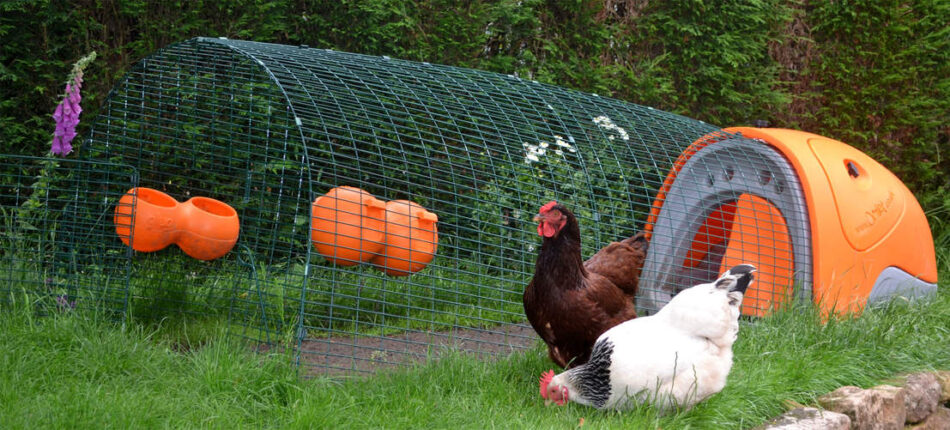
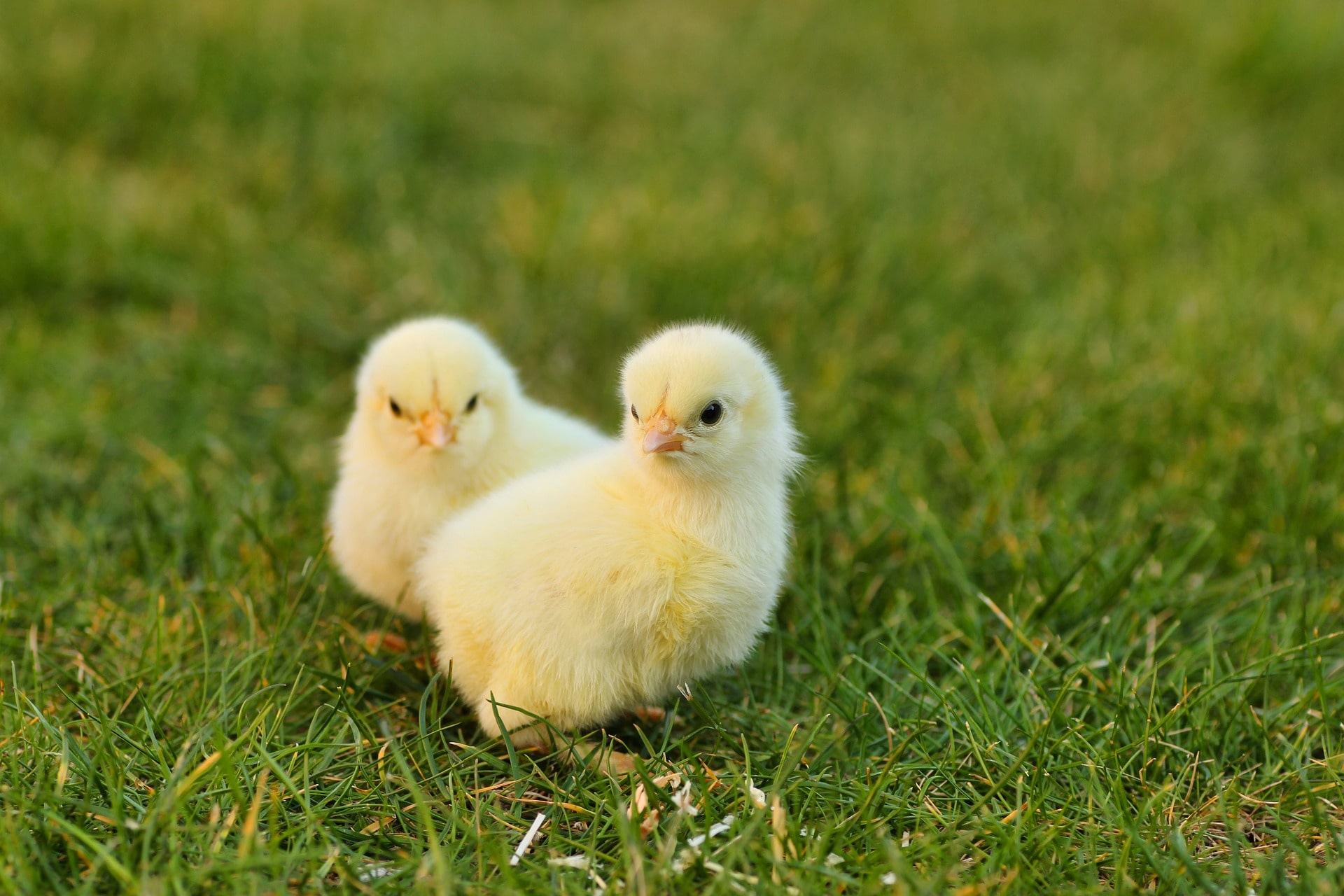
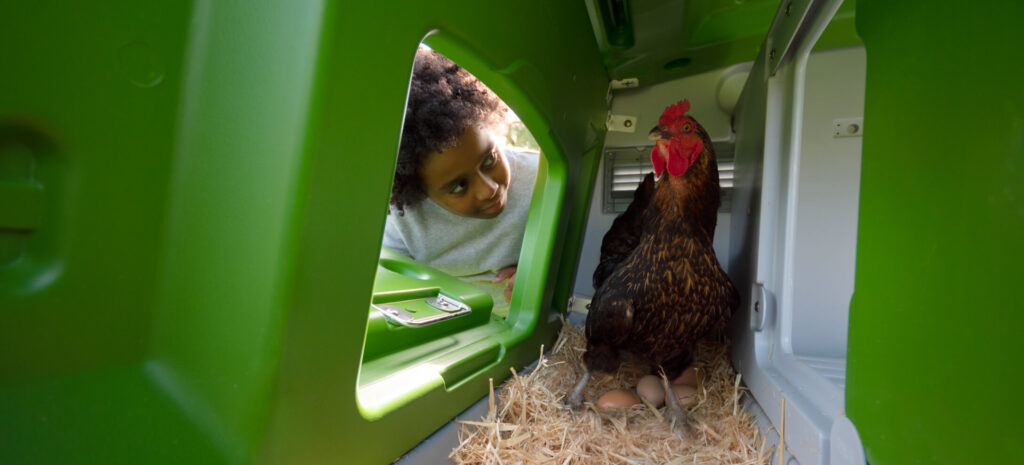
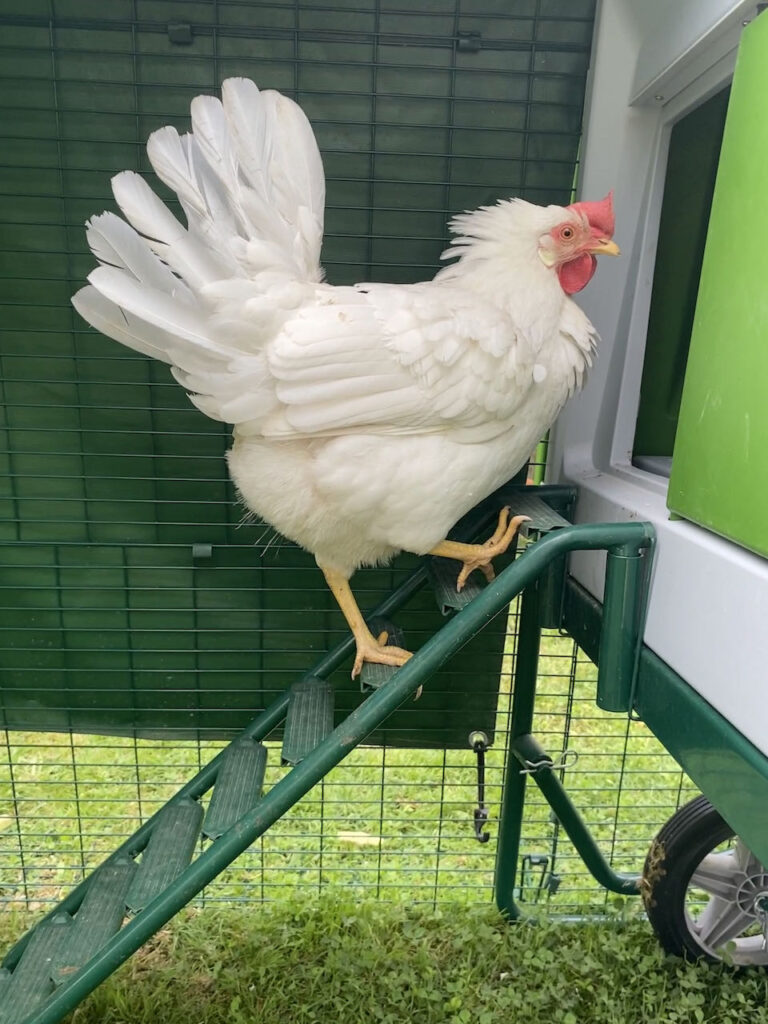
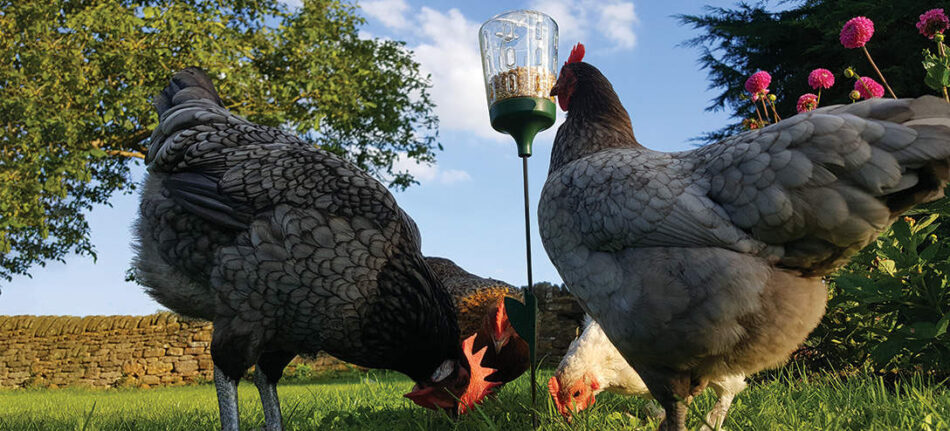
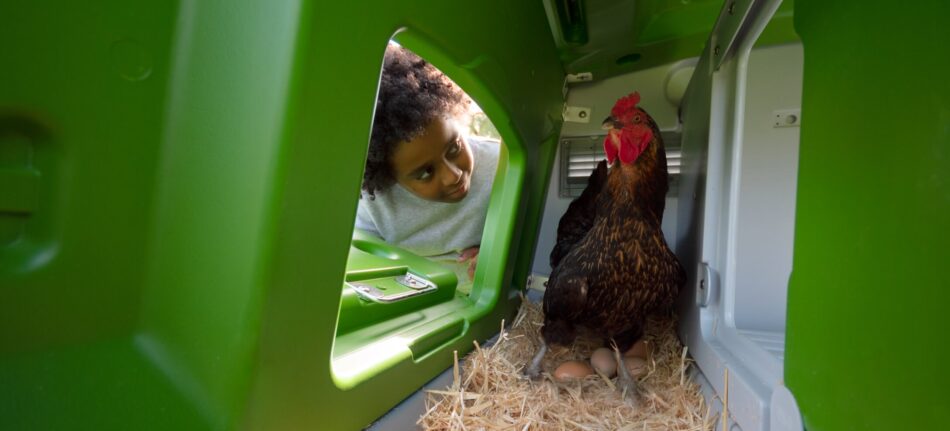
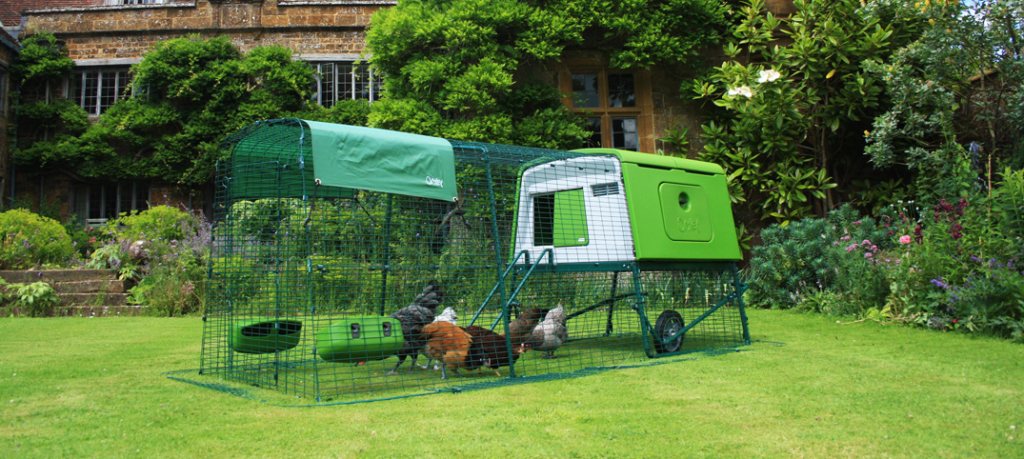
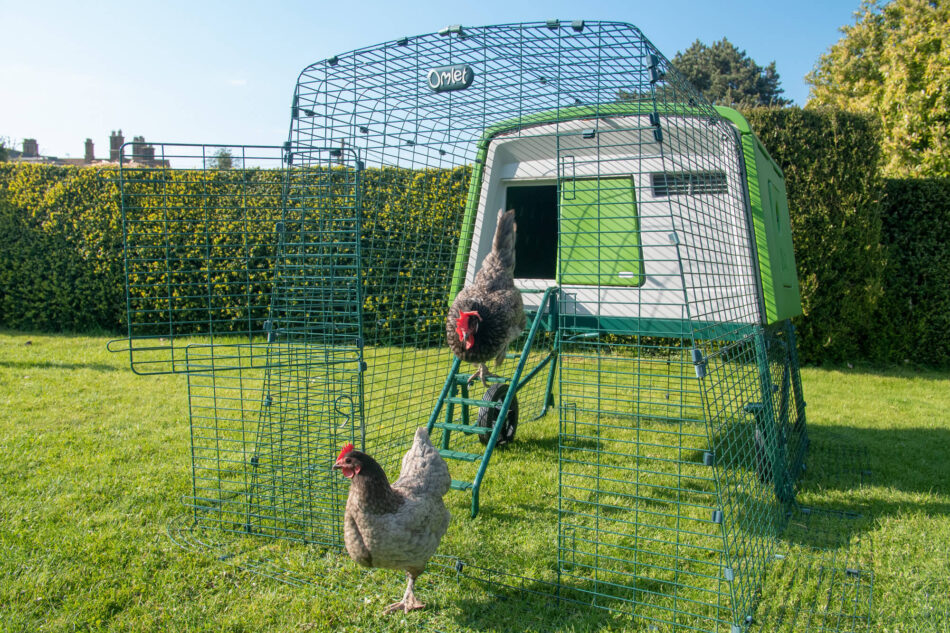
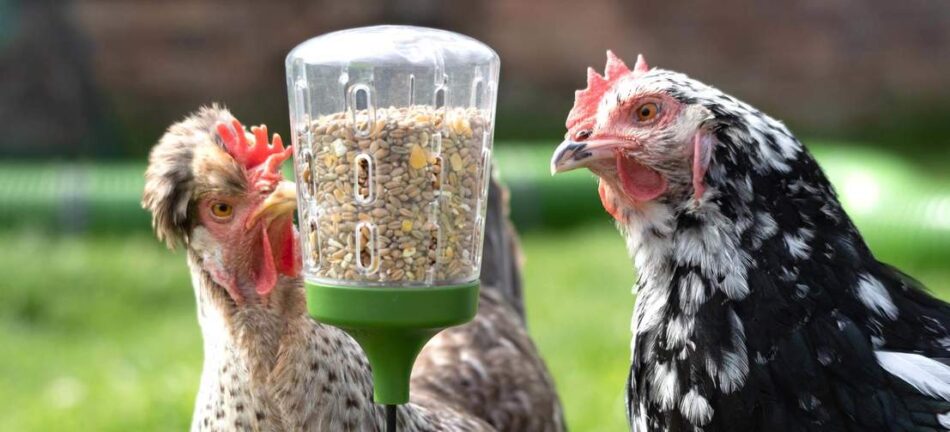
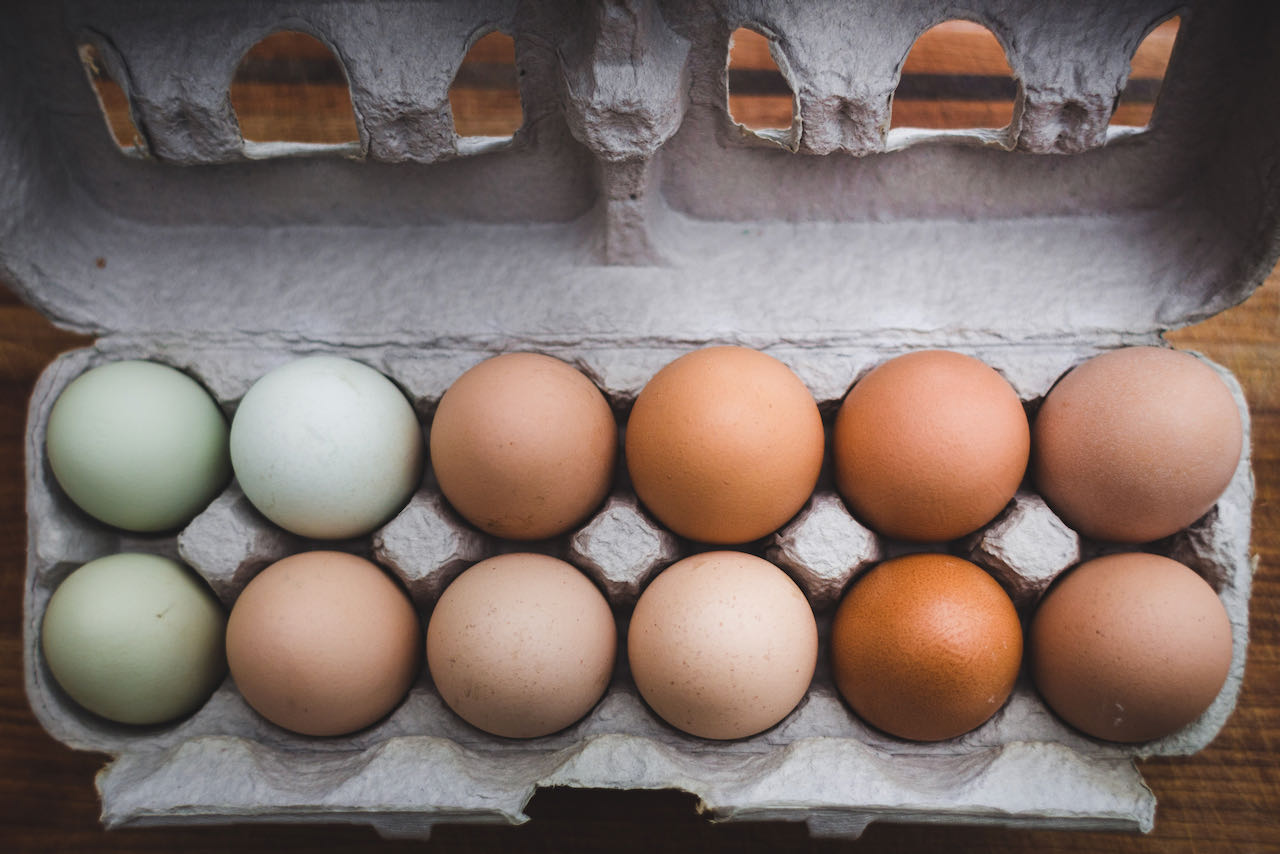 Chickens sometimes lay eggs that look nothing like a standard supermarket egg. Some are huge, some are tiny, some are ball-shaped, some are pointy, and some are soft-shelled. There are various reasons for these oddities.
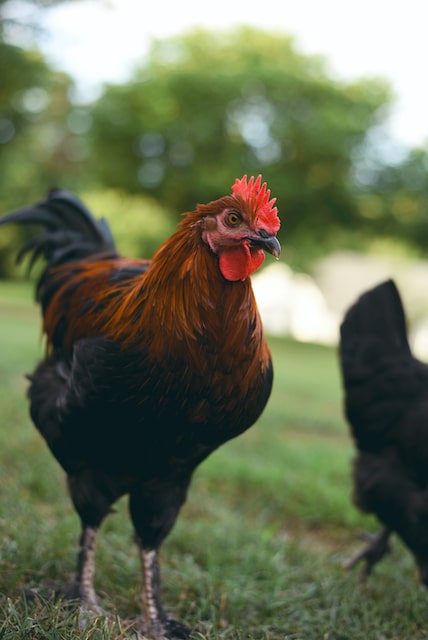 Are oddly-shaped chicken eggs a sign of illness?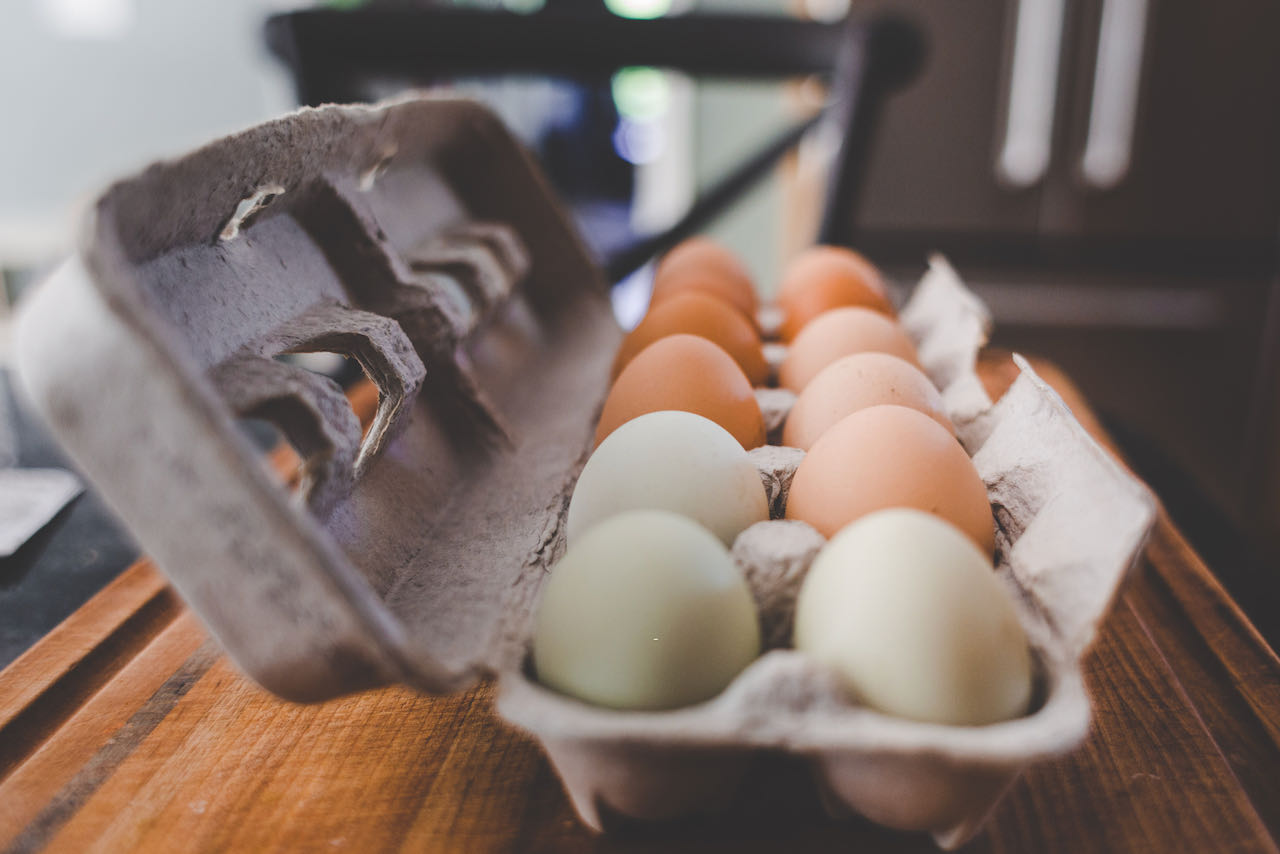
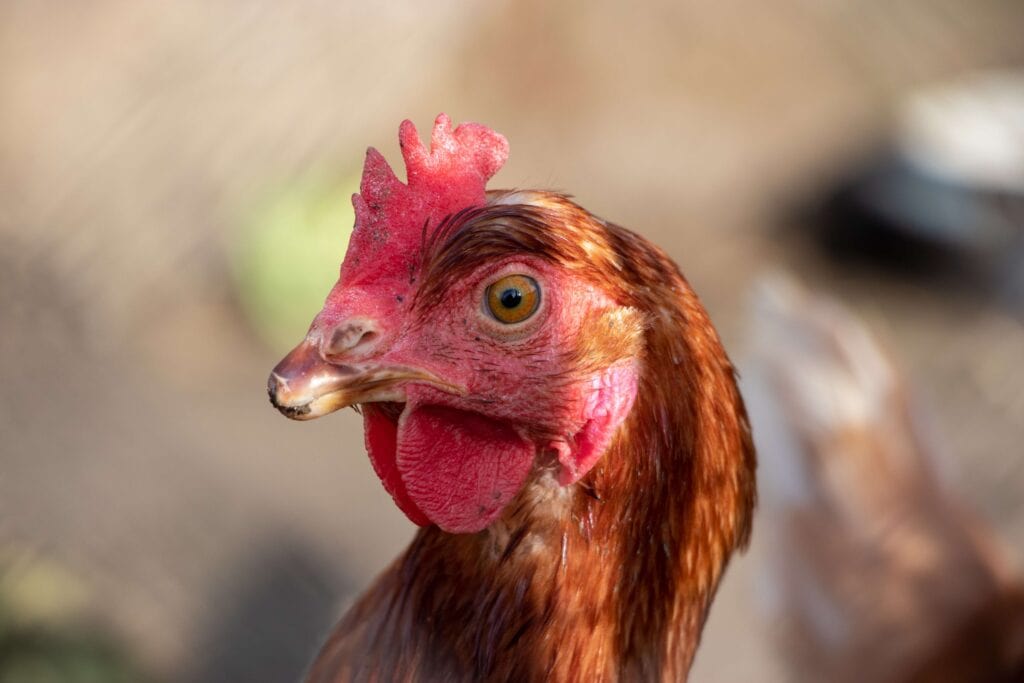
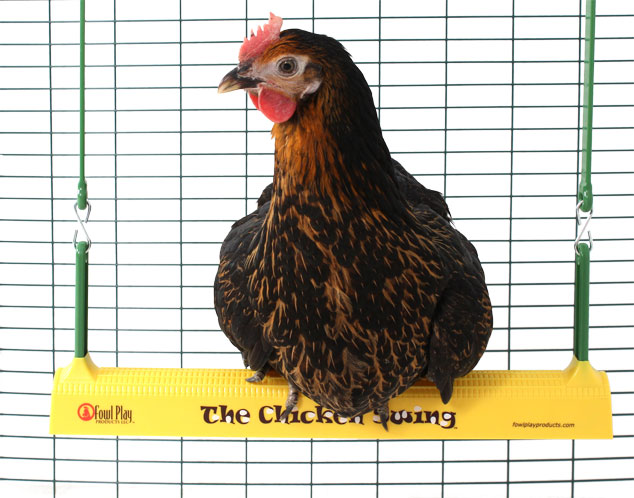
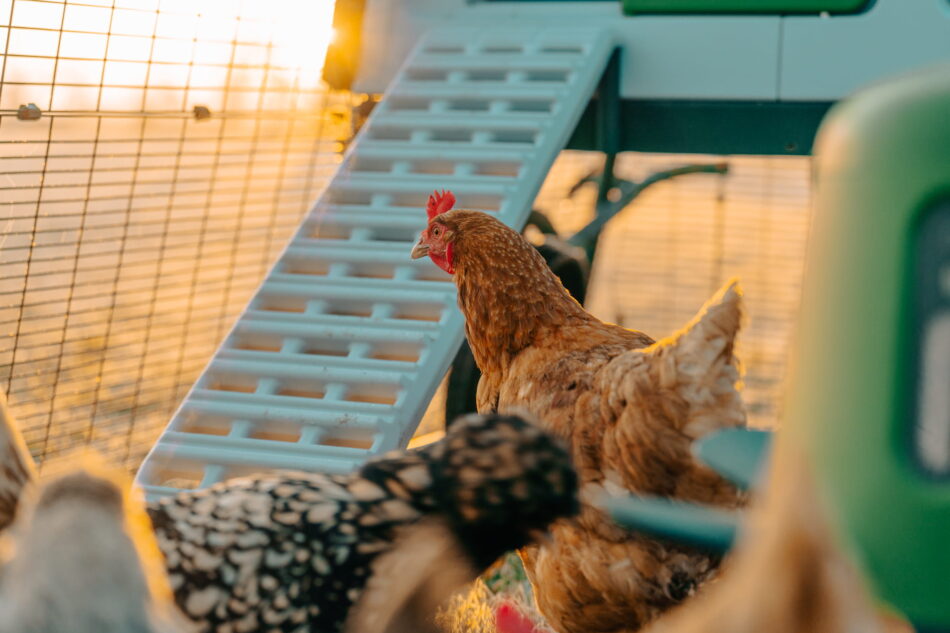
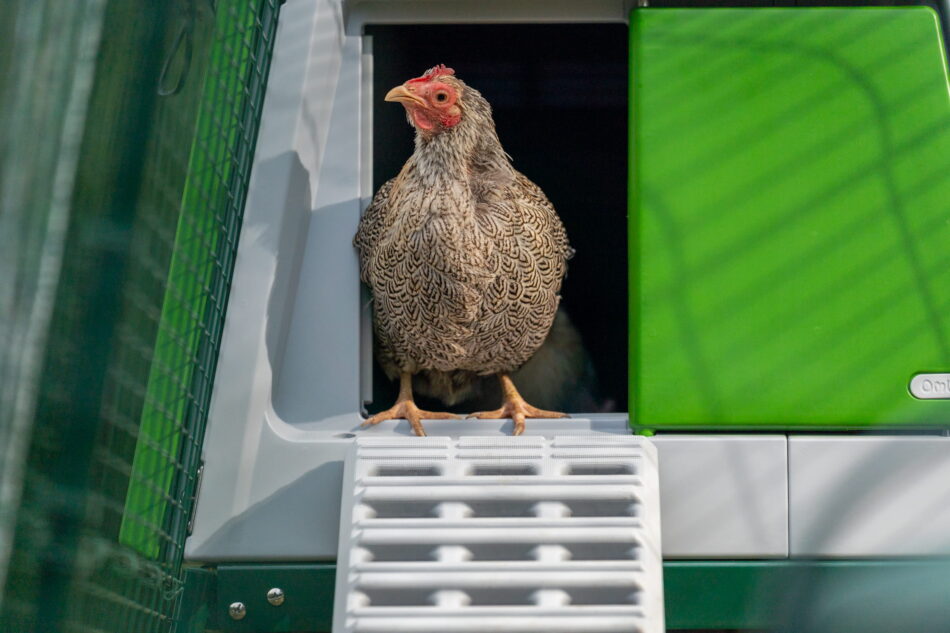
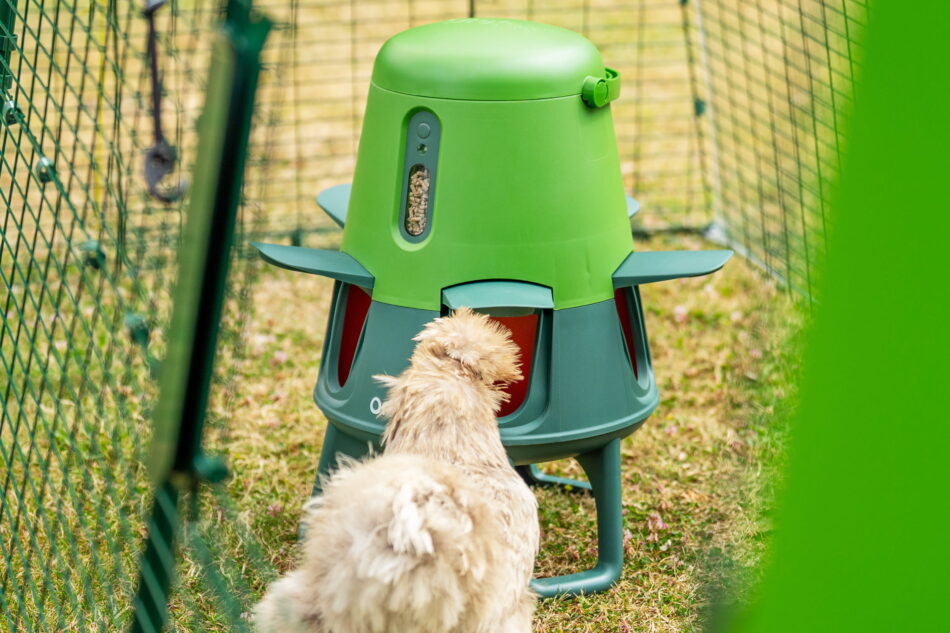
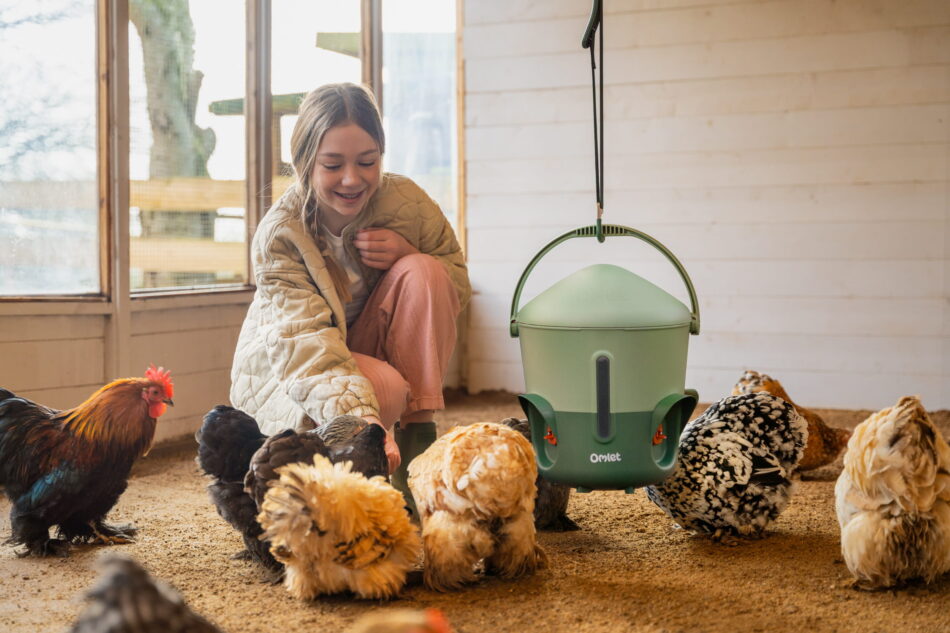
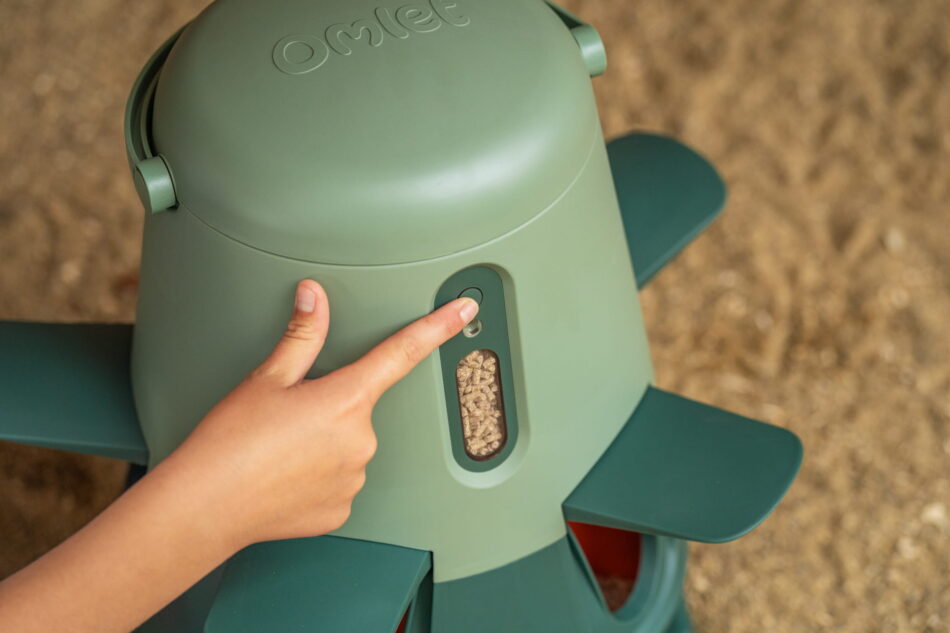
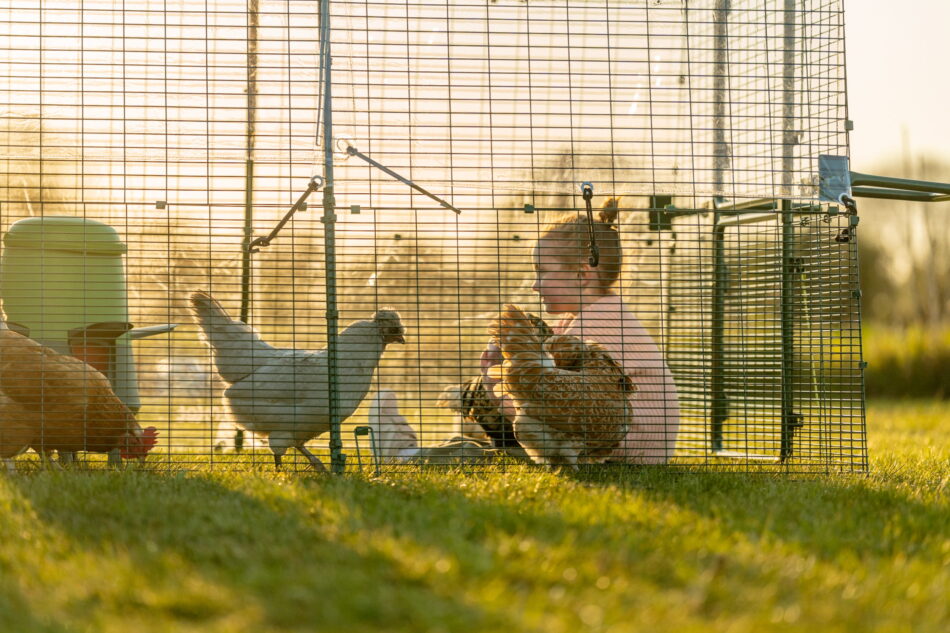

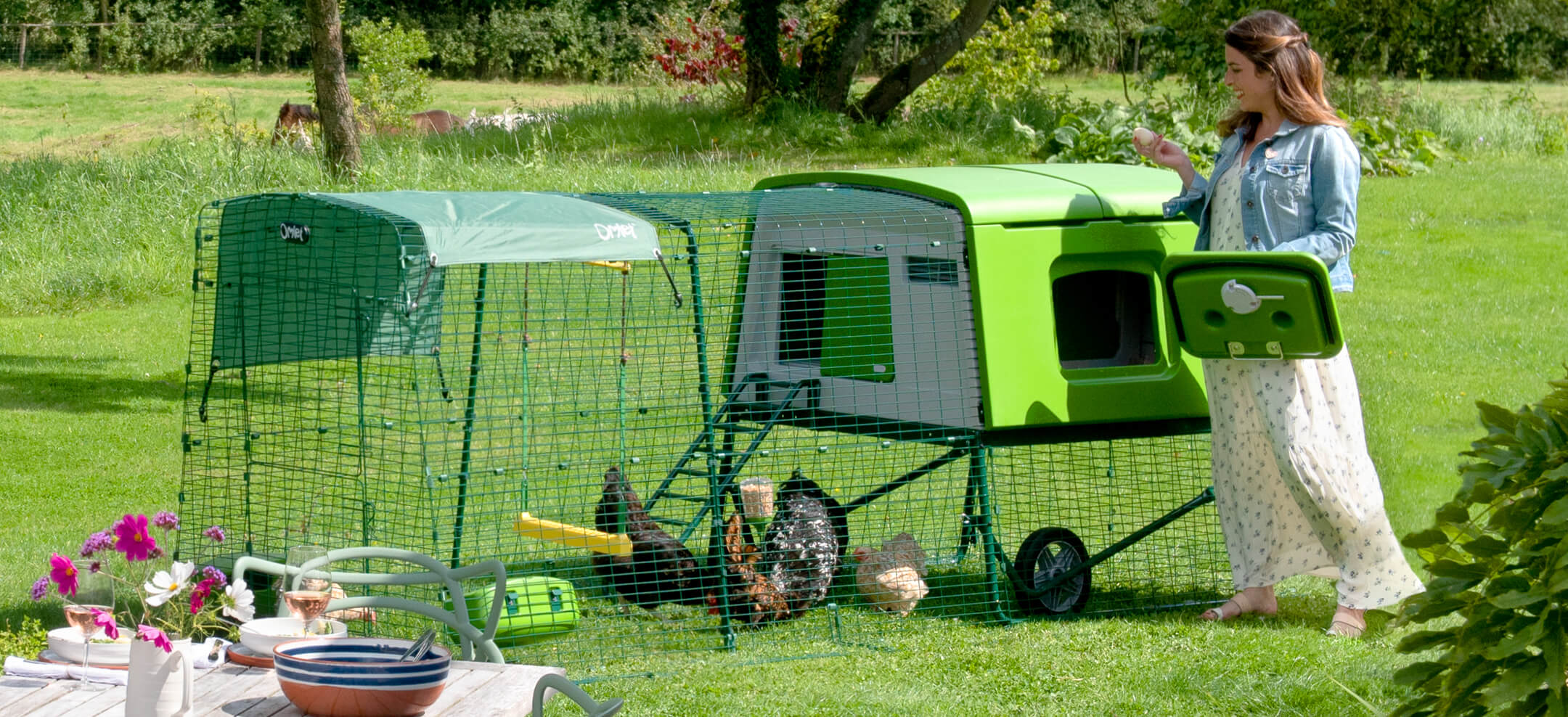
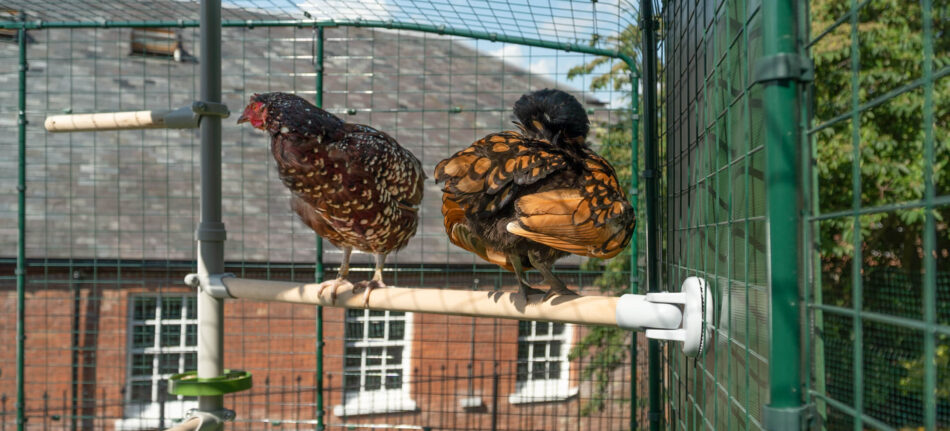
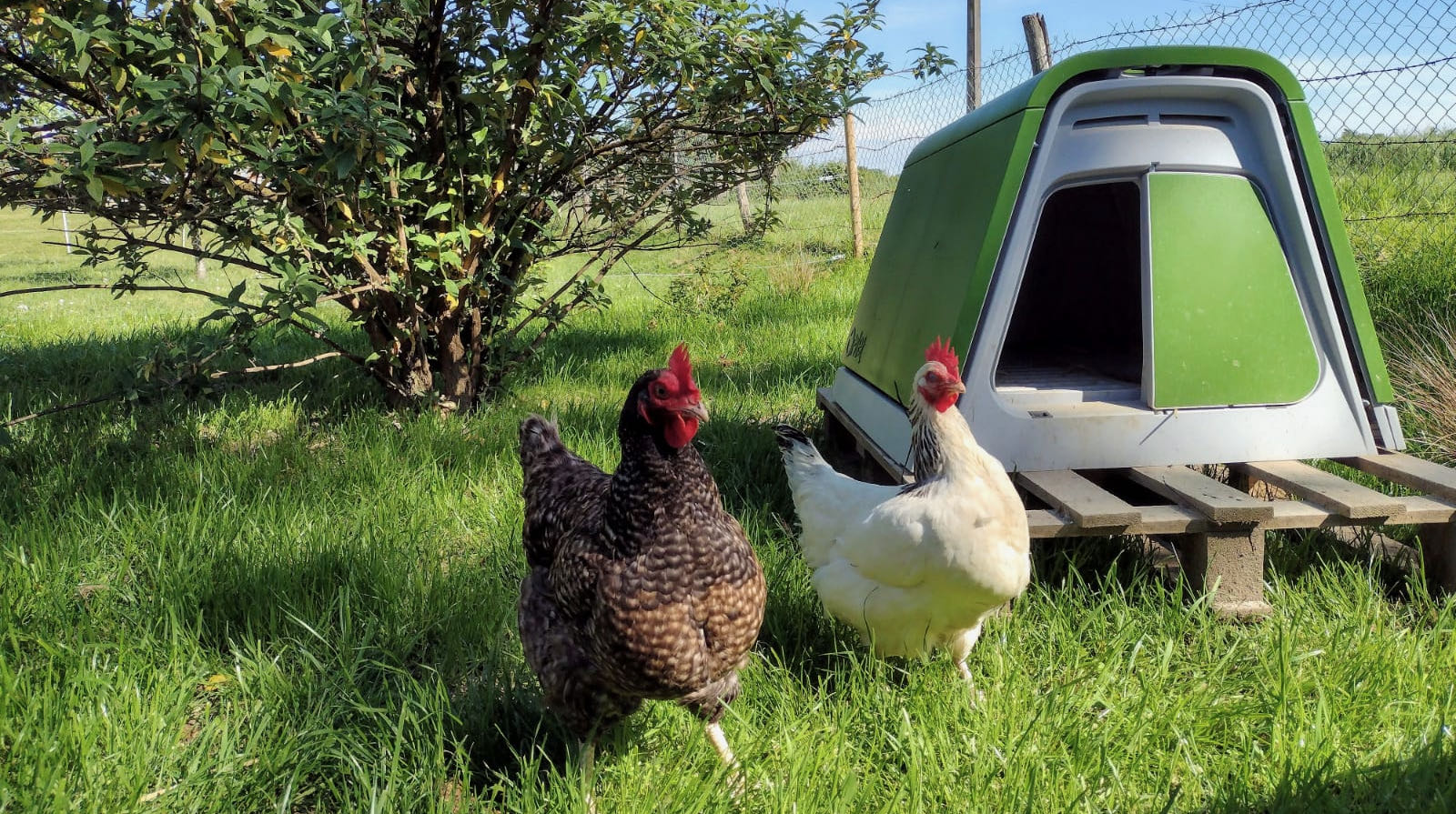
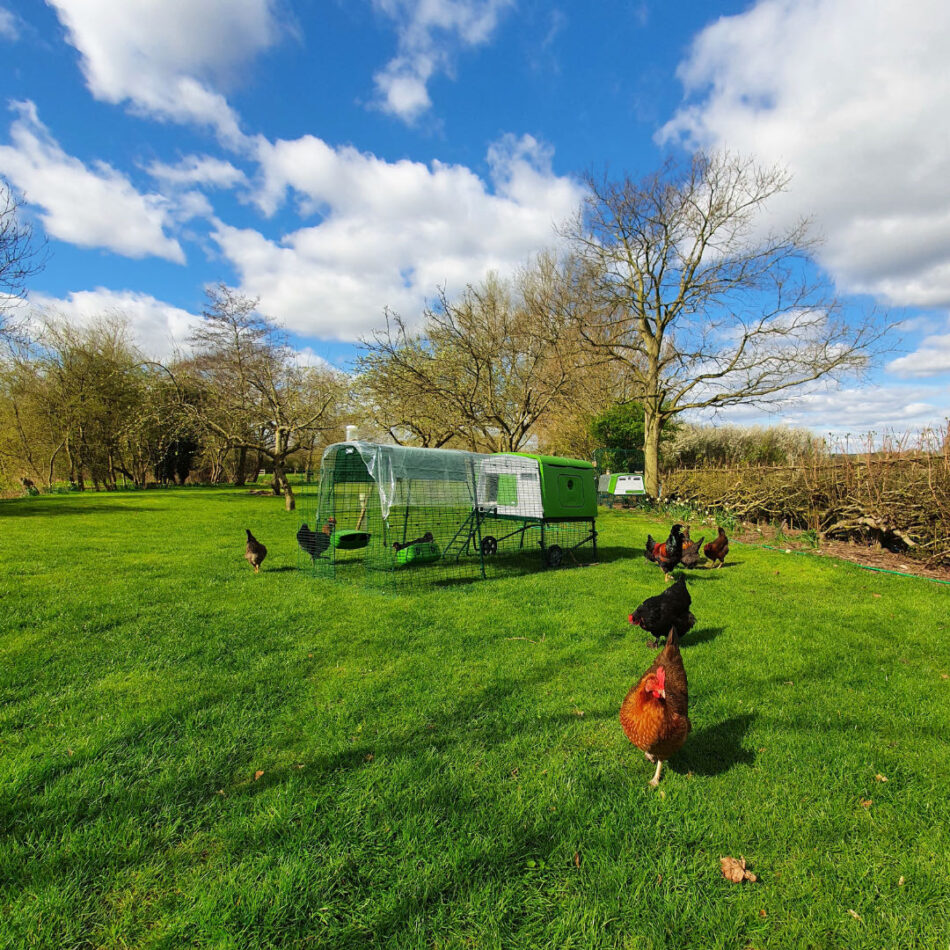
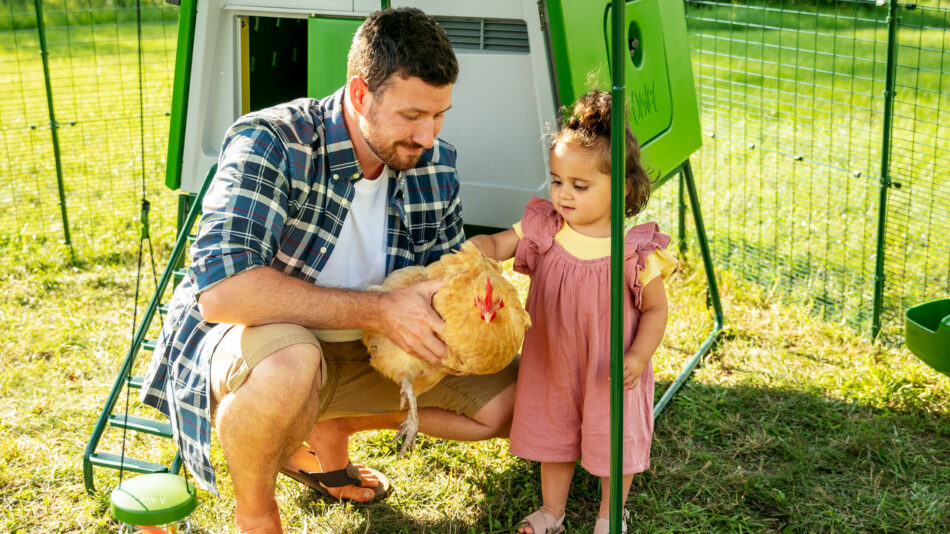
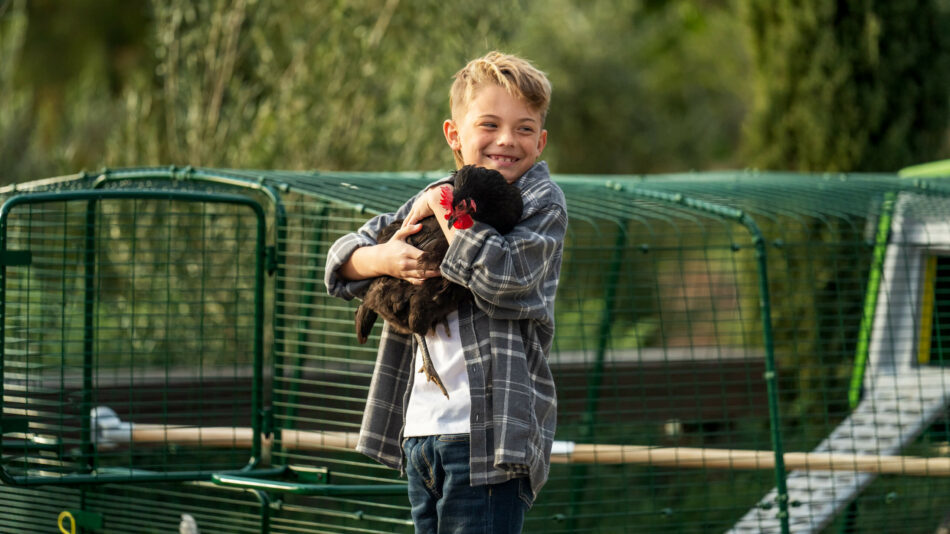

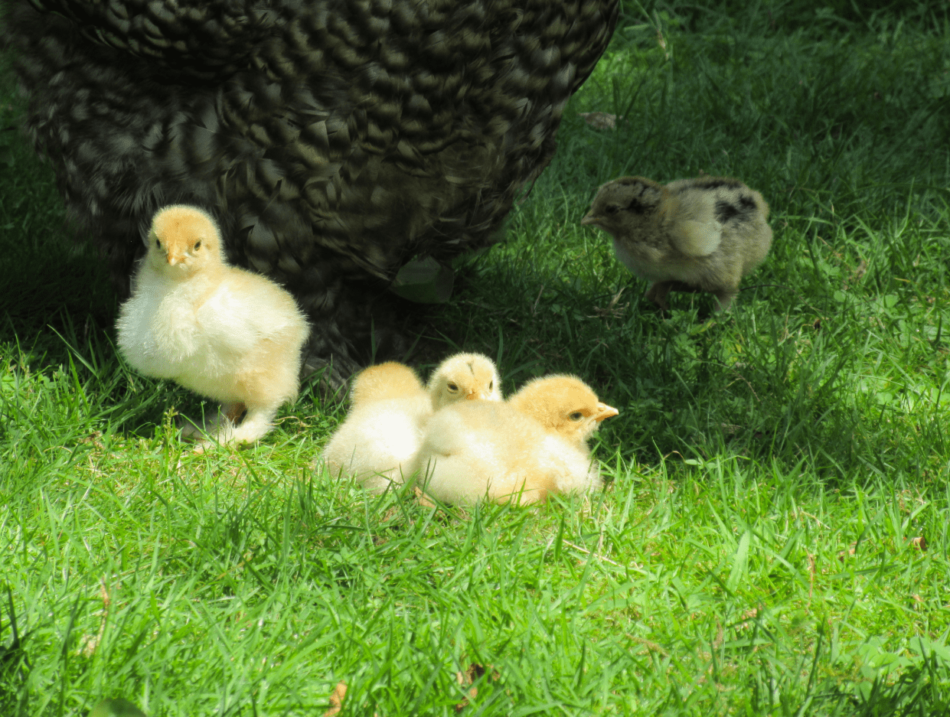
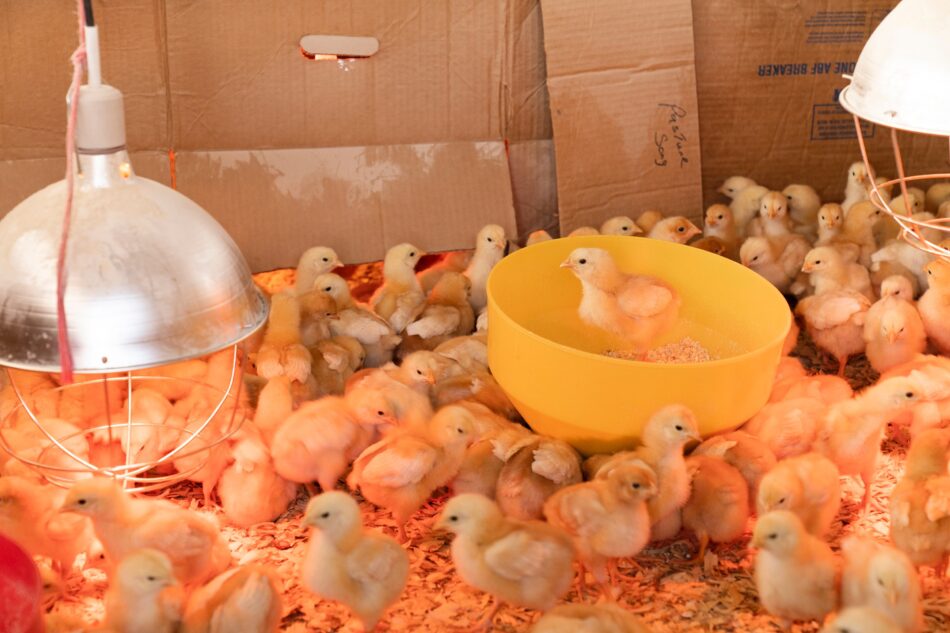
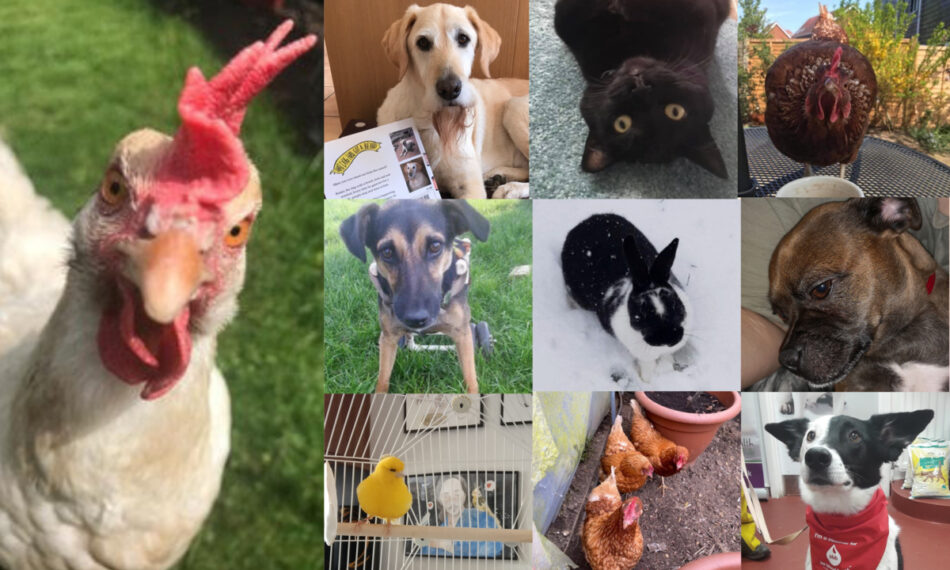

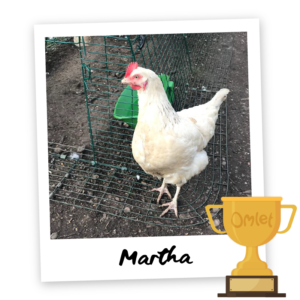
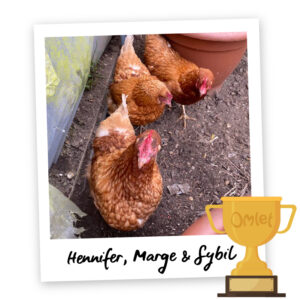
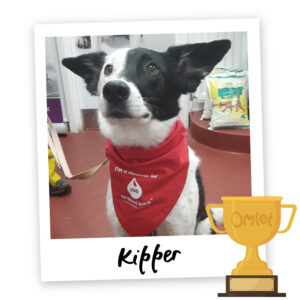
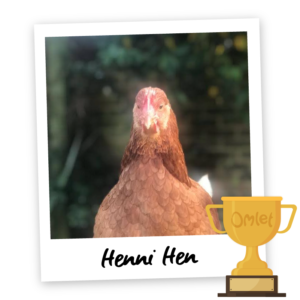

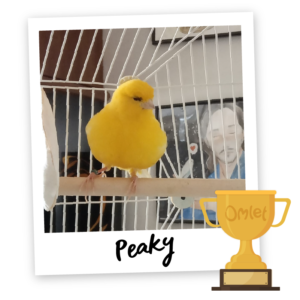
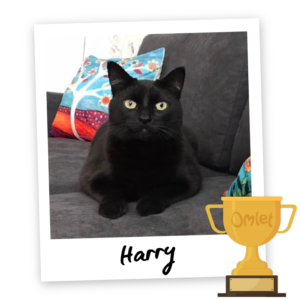

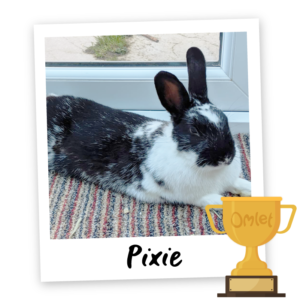
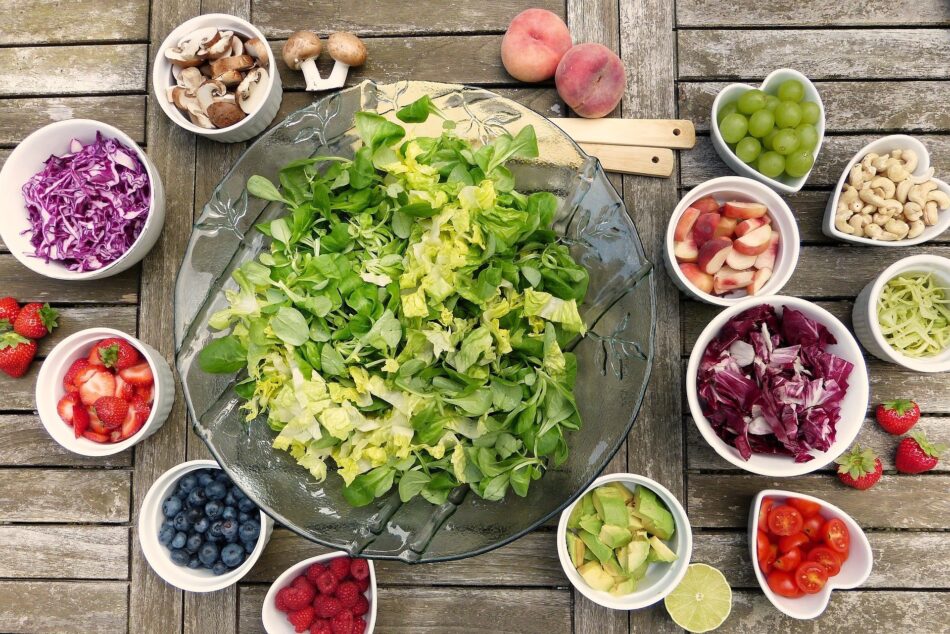
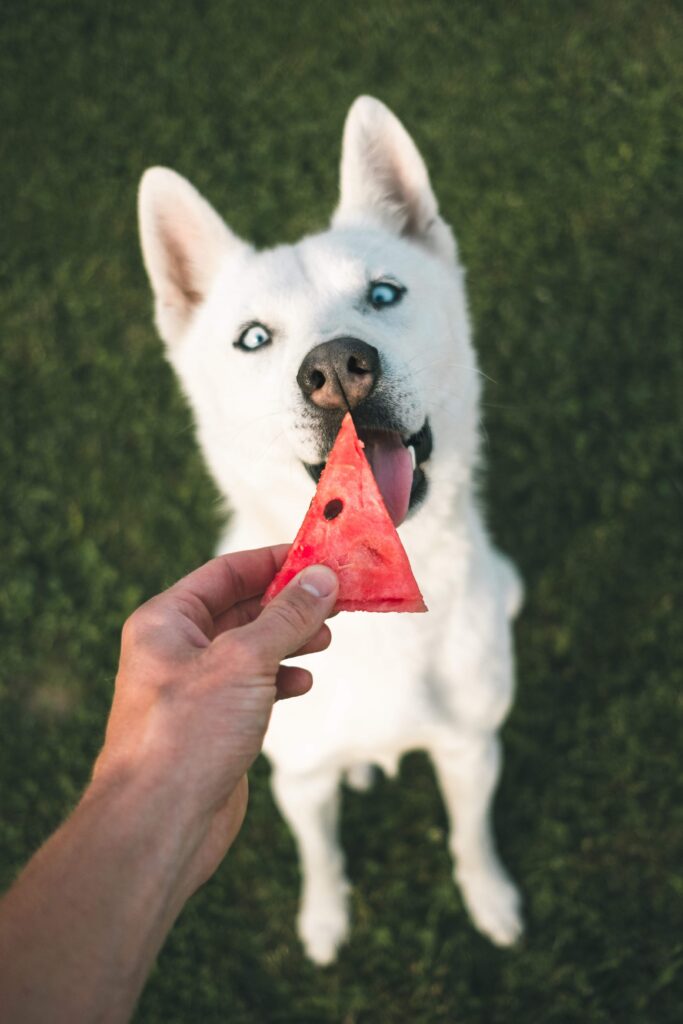 If you were to meet a species of animal for the first time and had to make an accurate guess about its diet, you would get lots of clues by looking at its teeth. The teeth of a dog, like the teeth of a bear, proclaim loud and clear that this animal is an omnivore – that is, one that eats both meat and vegetables. If you think of your dog as a domesticated wolf, you get a good idea of its natural diet.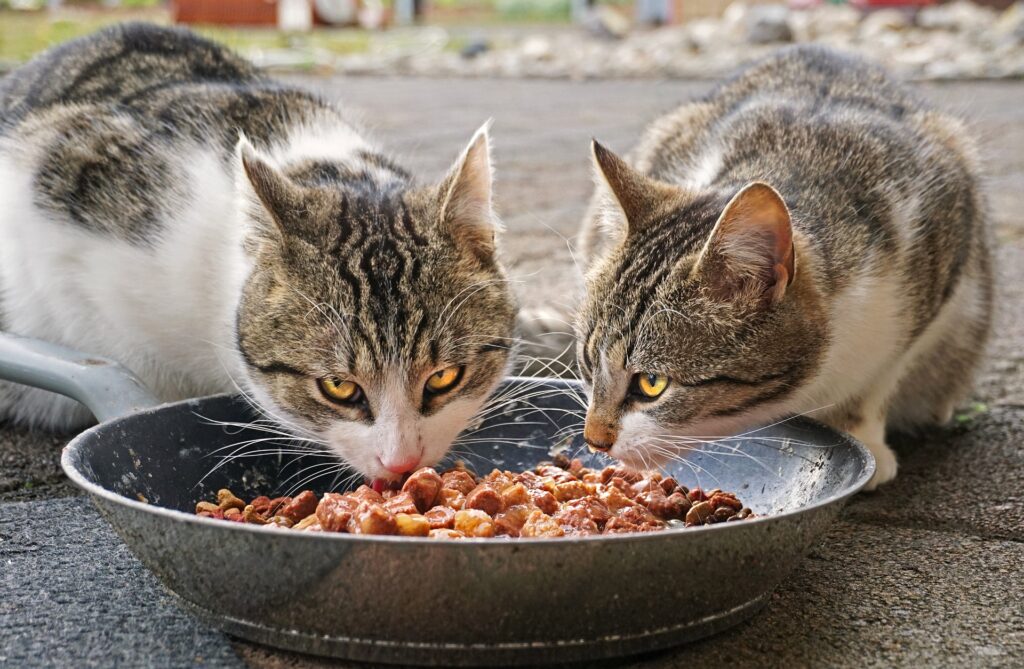
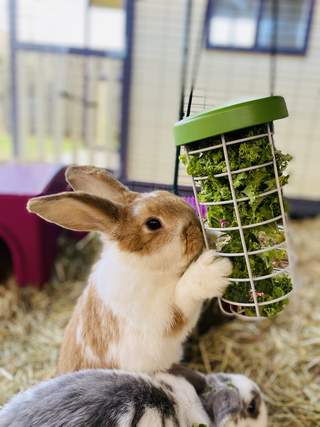 1. Rabbits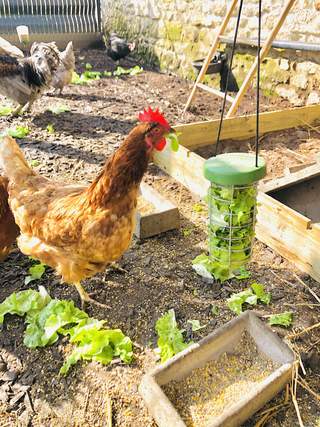
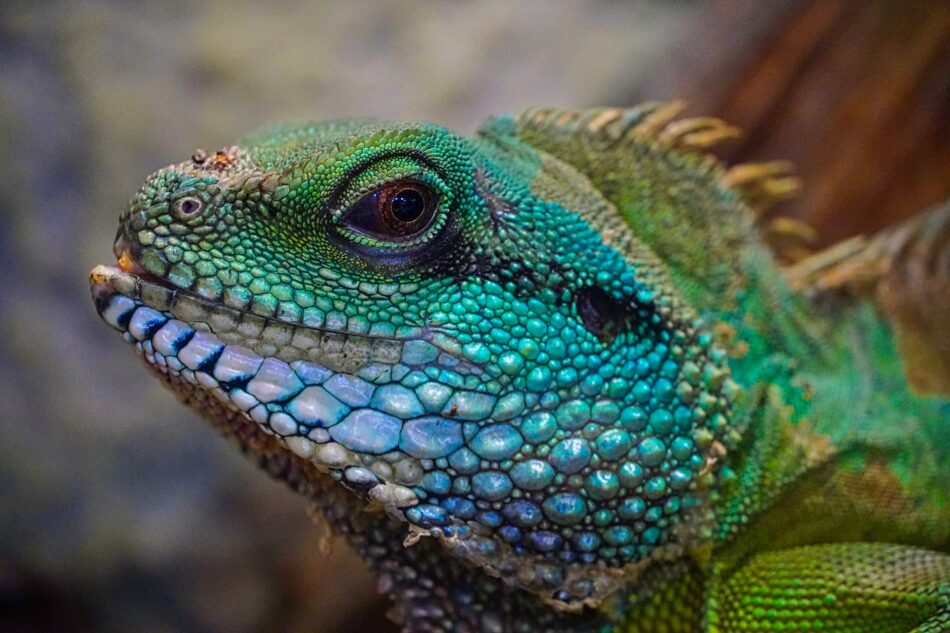
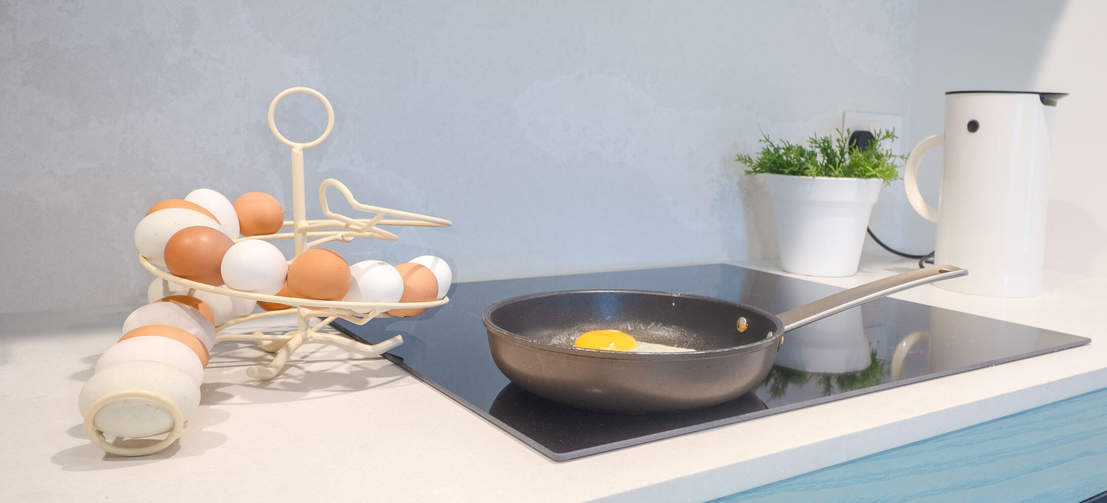
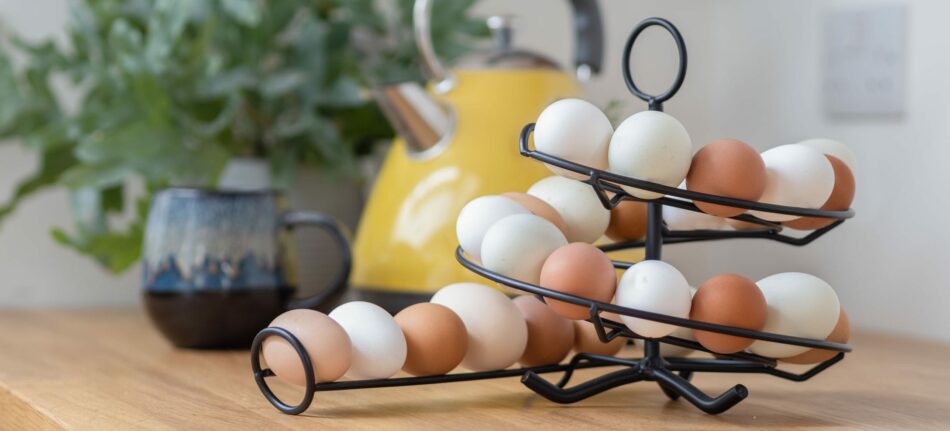

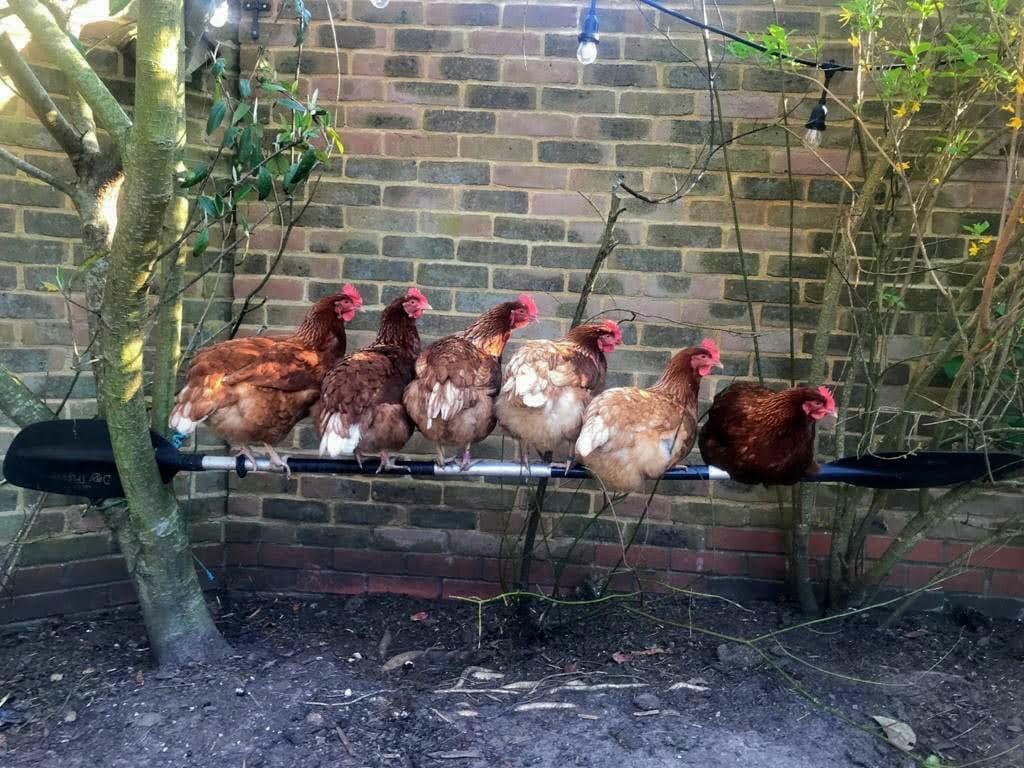
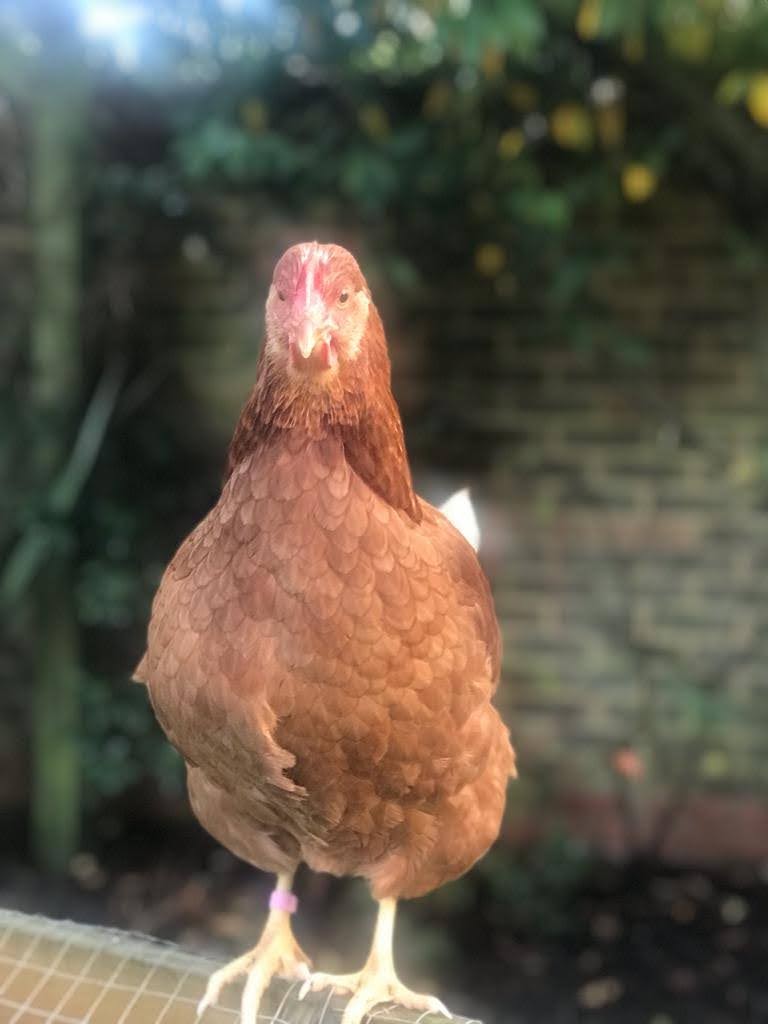
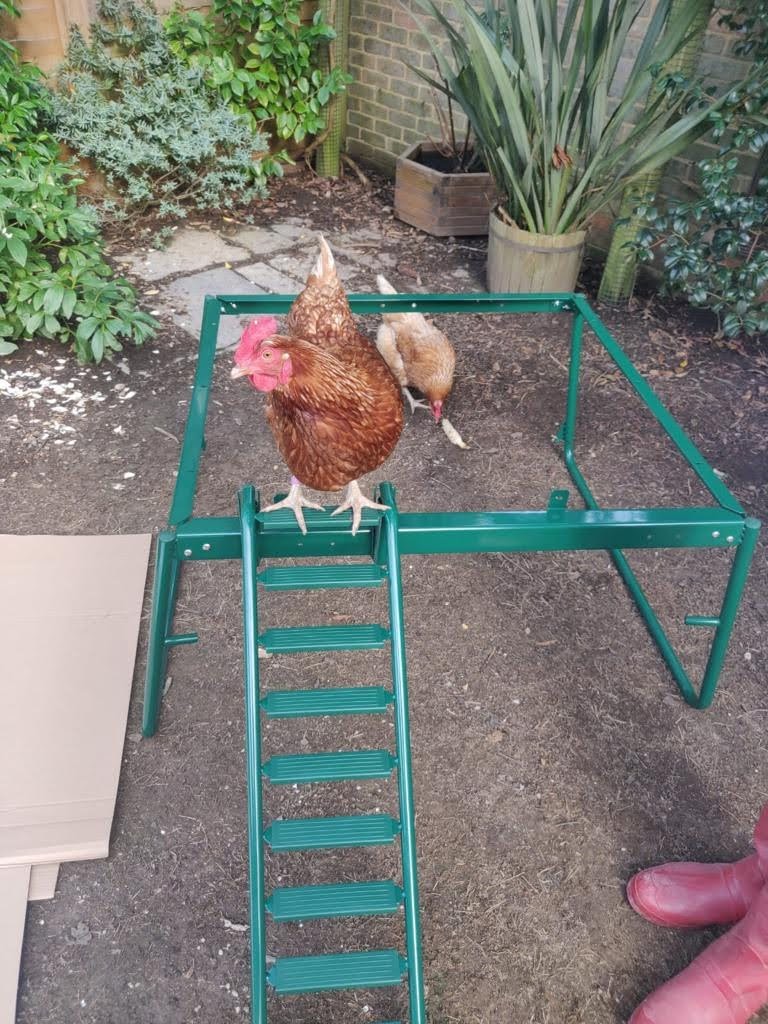
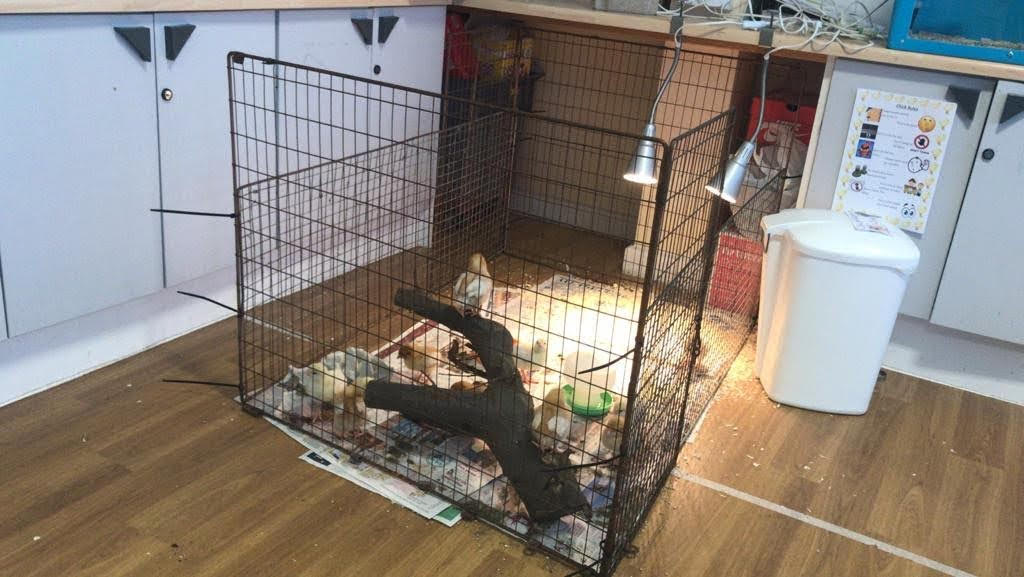
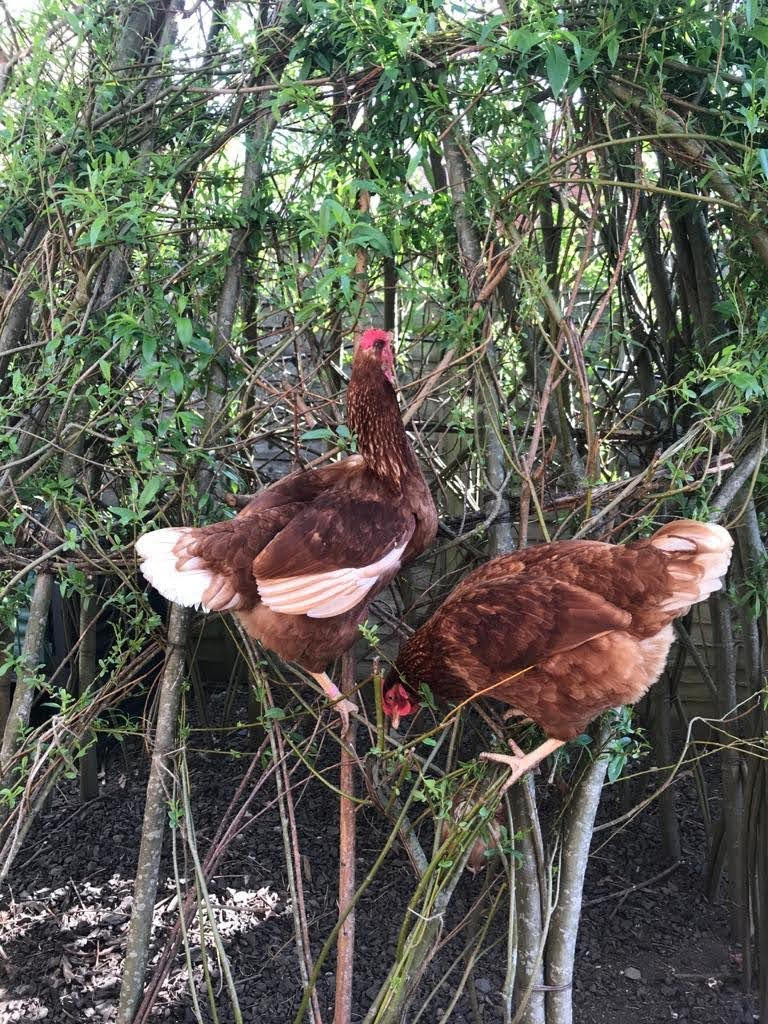
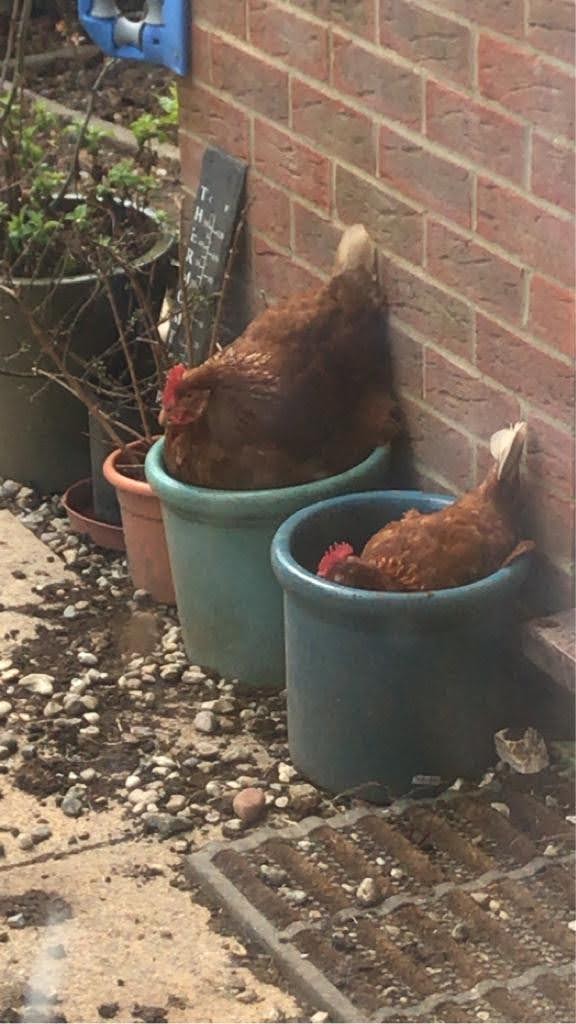
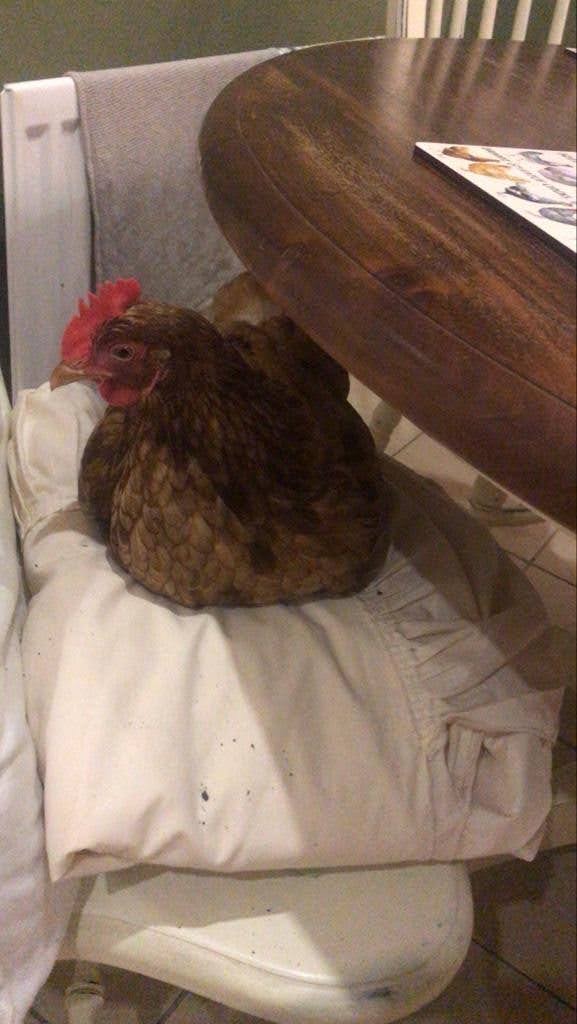
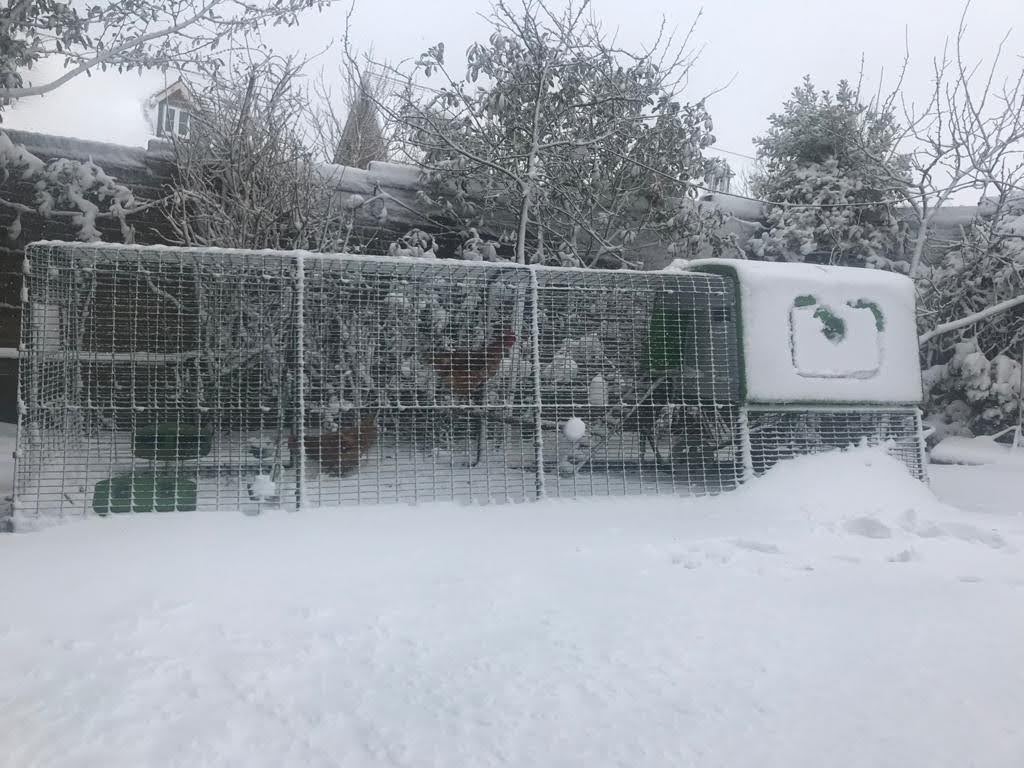
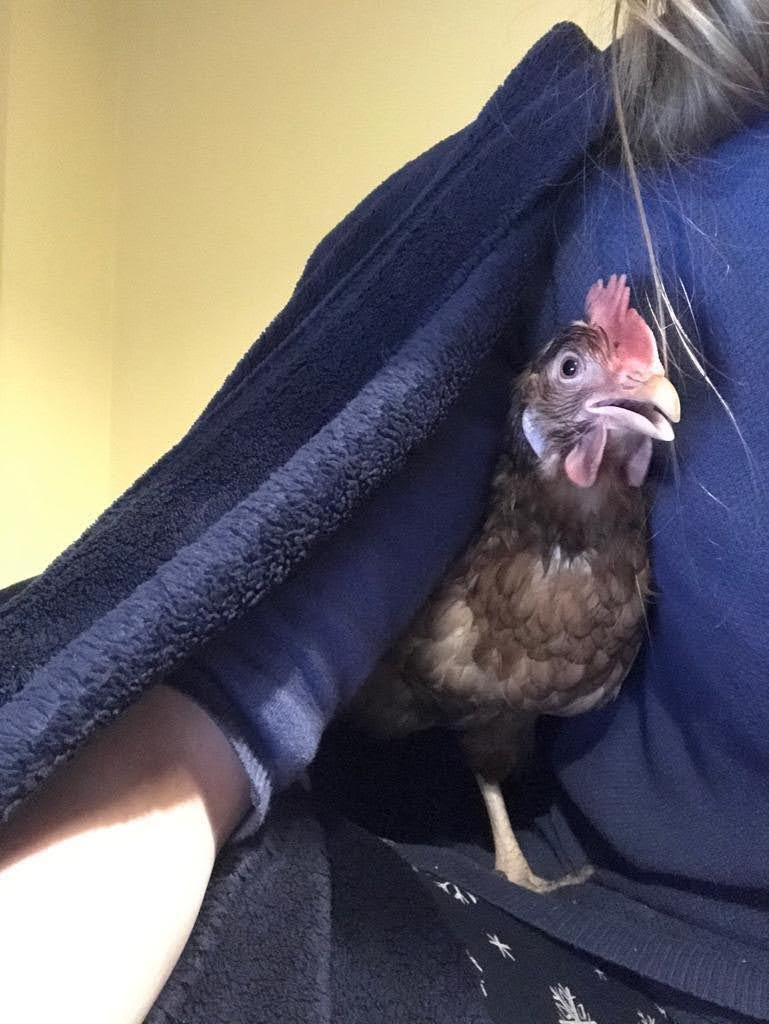
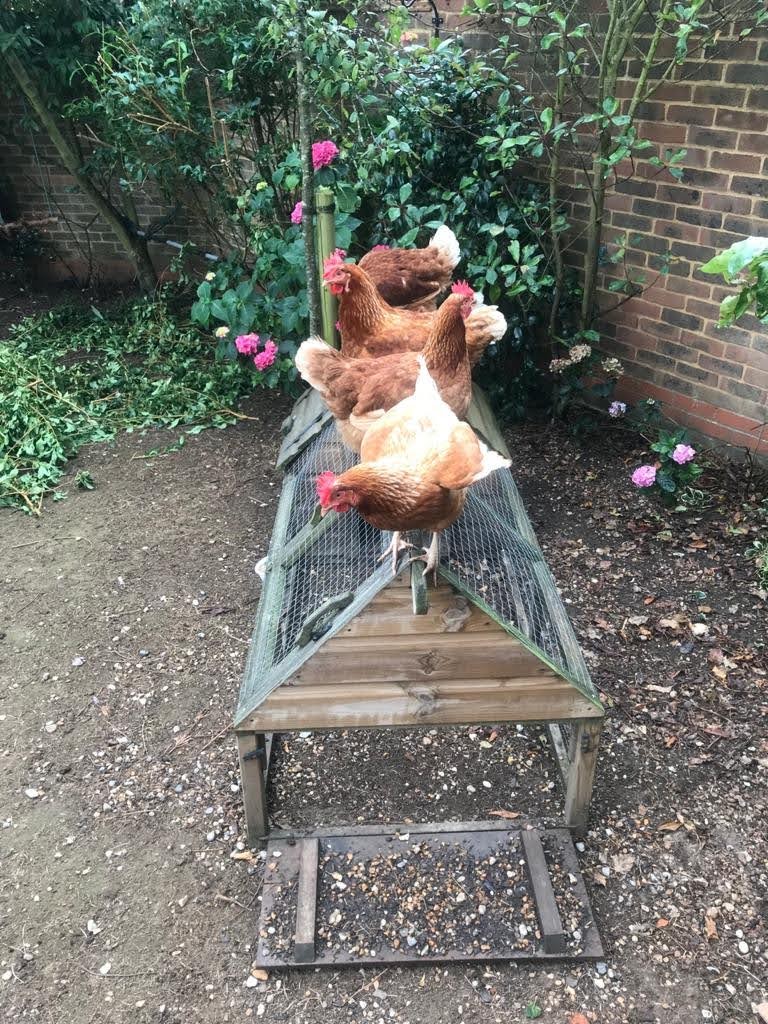
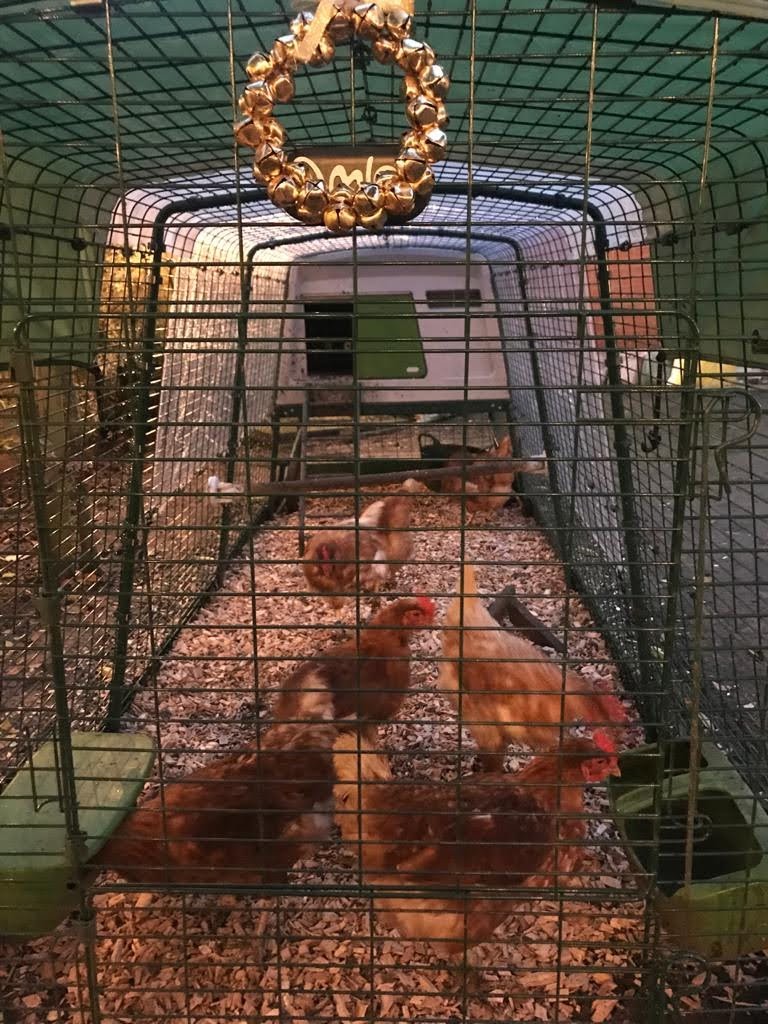
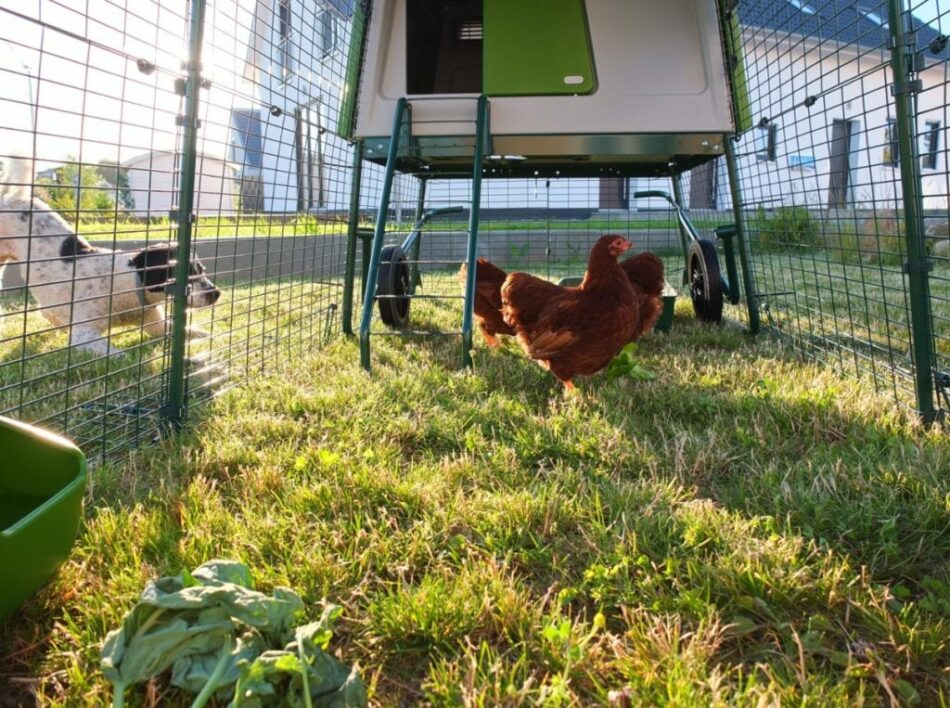
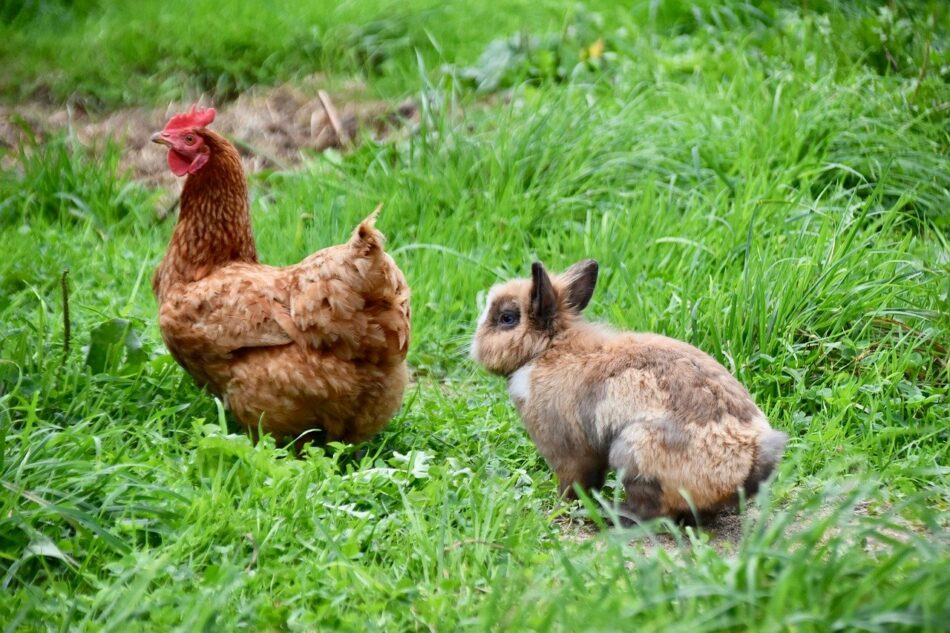
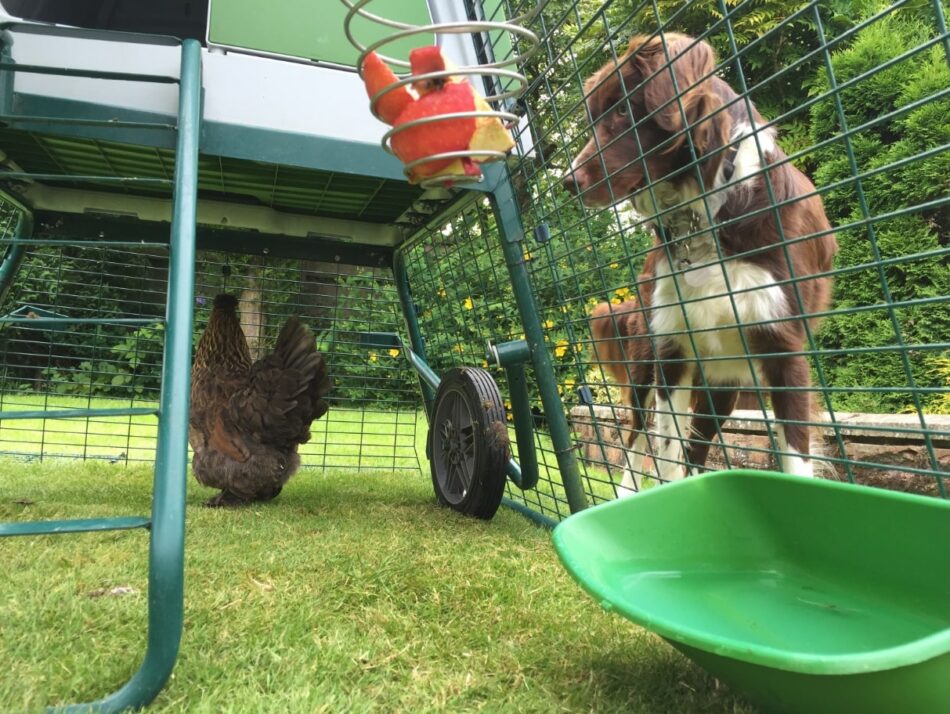

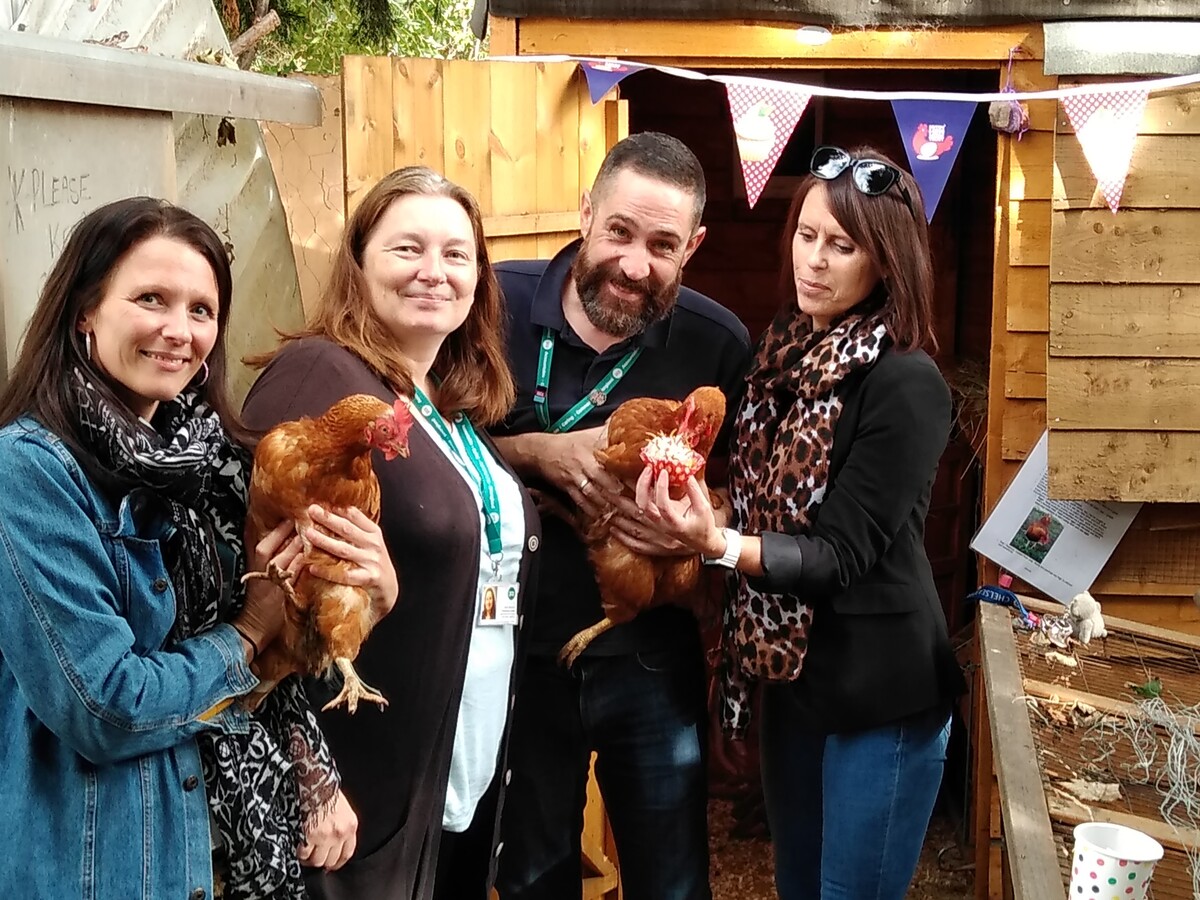
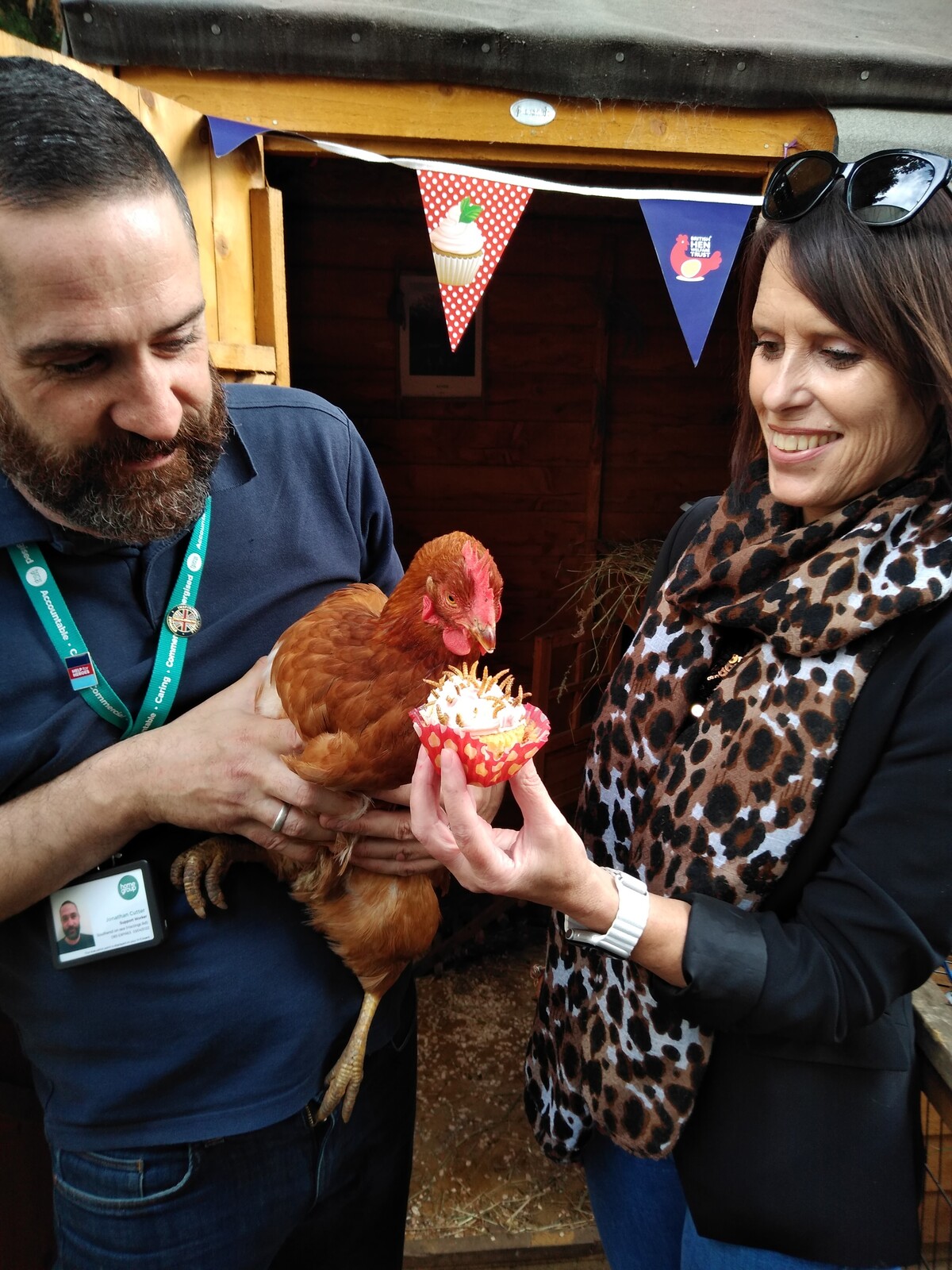
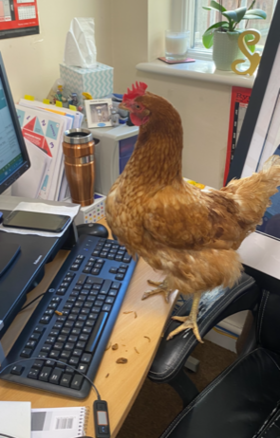
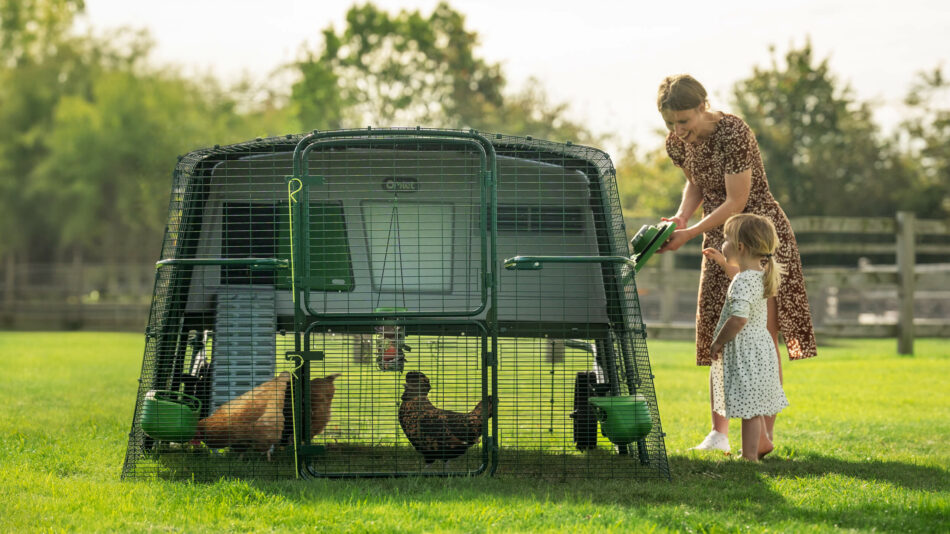
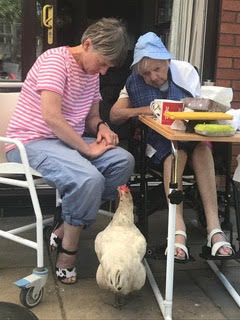
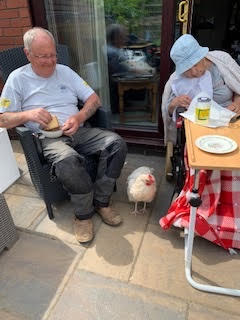
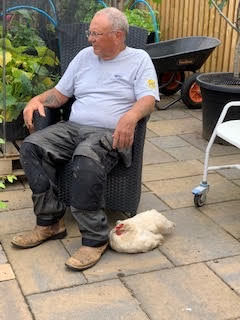
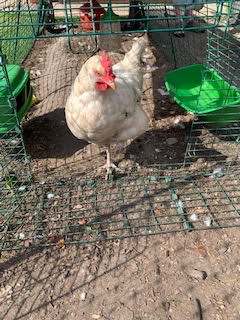
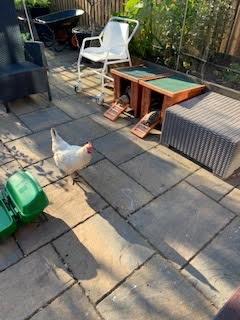
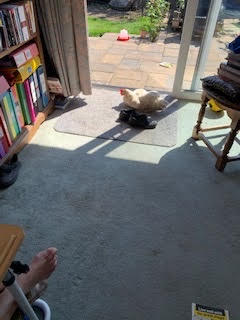
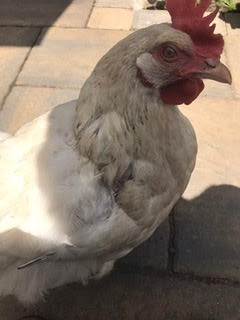
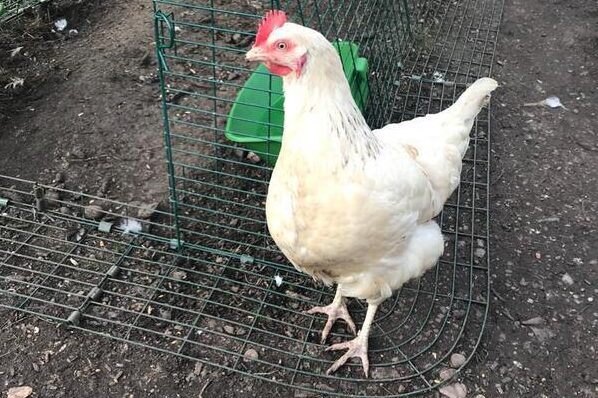
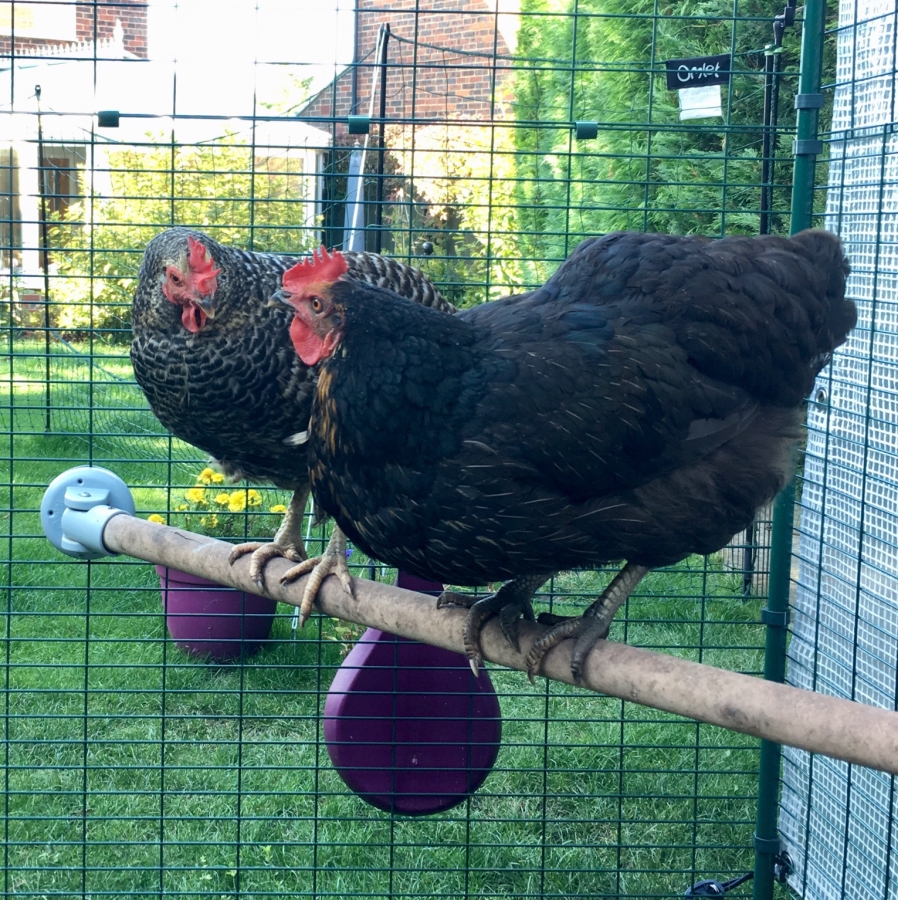 In addition, there are costs for the vet, which can hardly be calculated. The vaccination costs are still quite manageable, the vaccine itself is a maximum of
  In order to keep healthy and happy chickens it is necessary to have a safe outdoor area with plenty of space, where they can exercise, enjoy the sunshine and fresh air. Your chicks should be able to express normal behaviours, such as scratching, foraging and dust bathing.